Skip to content

Pre-bookings only — nothing ships until sale is permitted

Kite flying is legal in Punjab only during the announced festival window. Until the government permits sale for Basant 2027, we take reservations only: reserve free and pay the market rate on delivery day, or pay 50% now to lock today's price. Nothing ships before sale is permitted.

How pre-booking works

Registered seller · Reg No. 38731-28012026

QR-verified stock · Legal cotton pinna only · Free to pre-book

Kite & Basant guides

Prices, sizes, rules and the things people ask us on WhatsApp — written by a registered Lahore seller, and updated when the facts change. Every guide is also written in Roman Urdu.

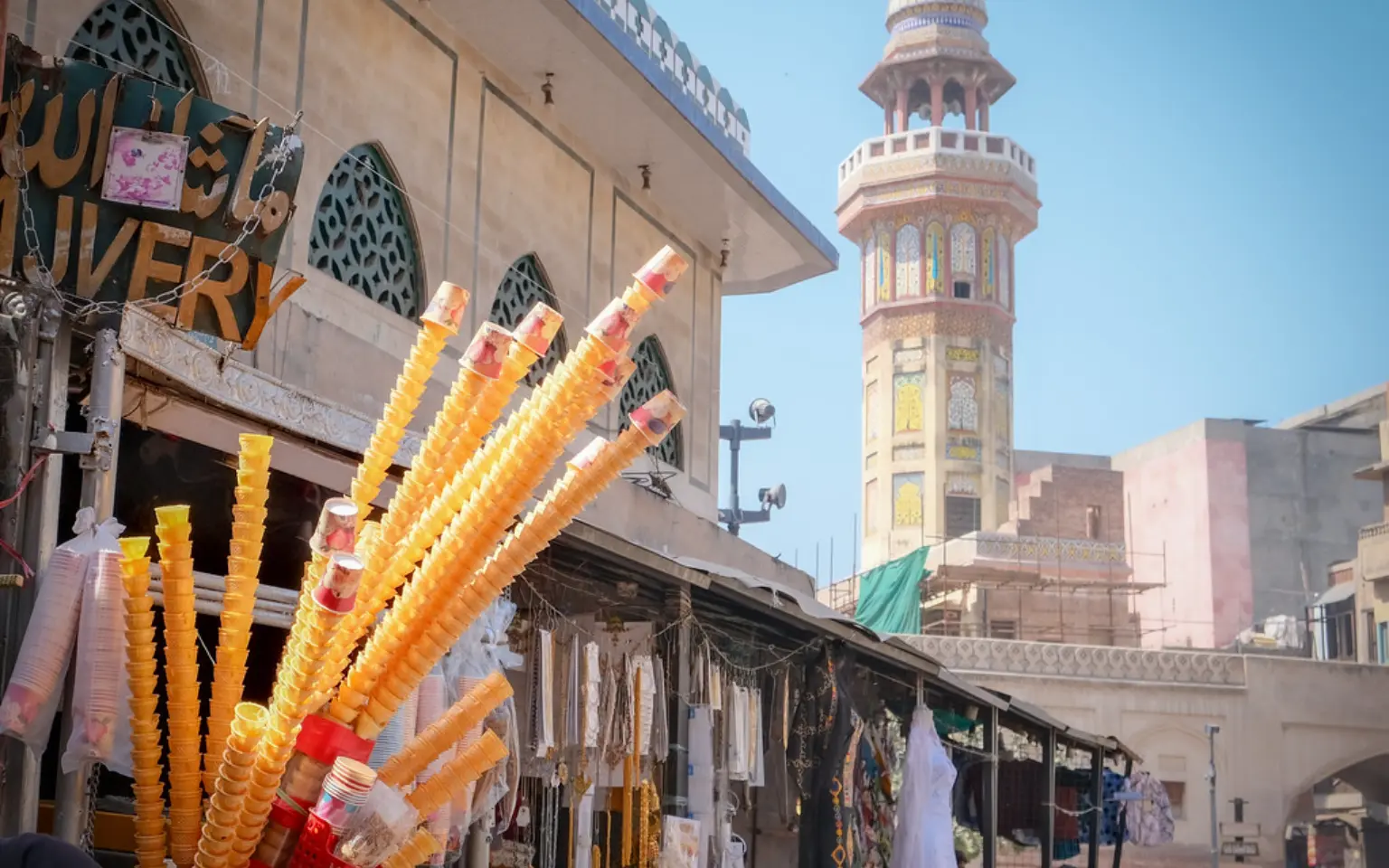
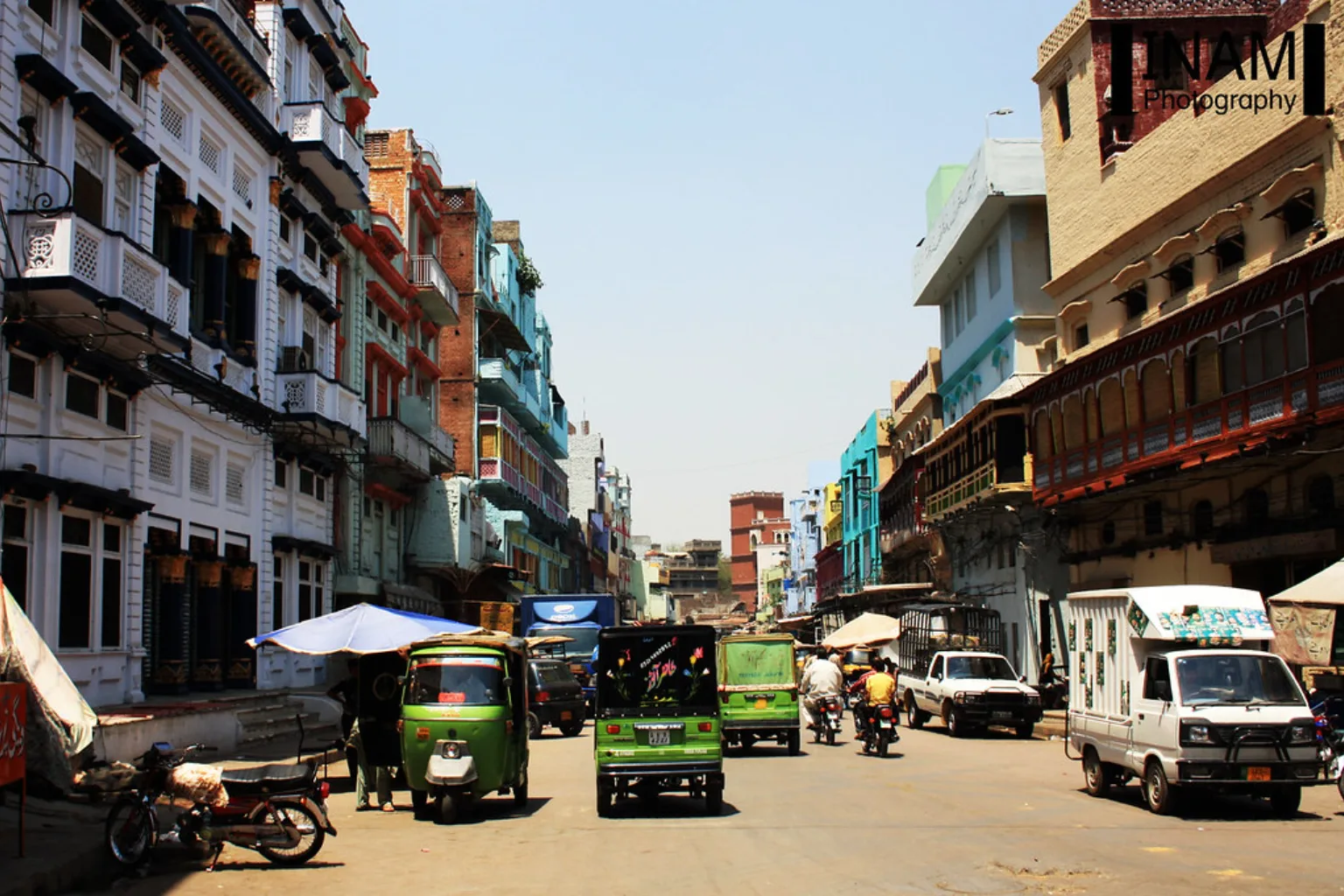
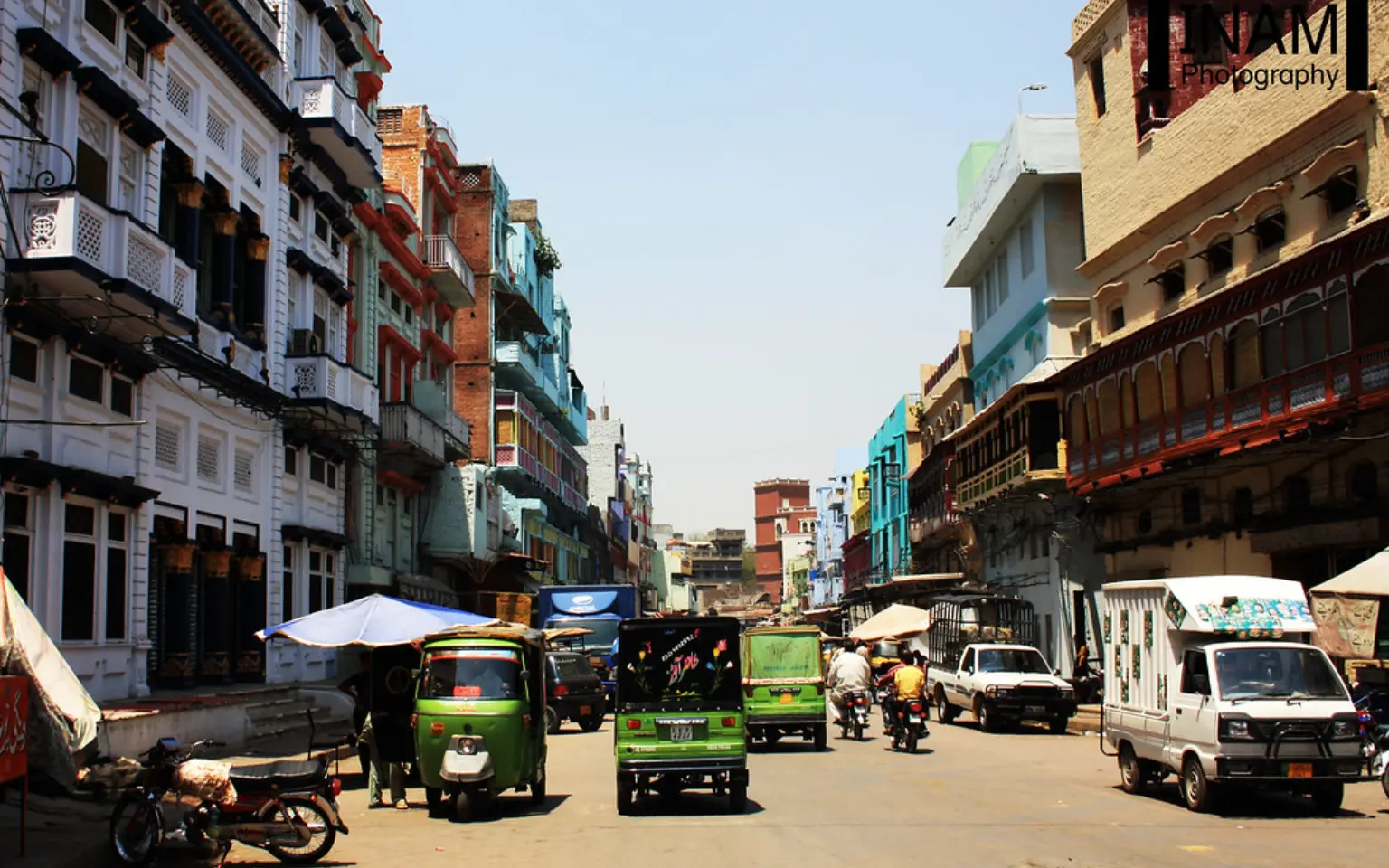
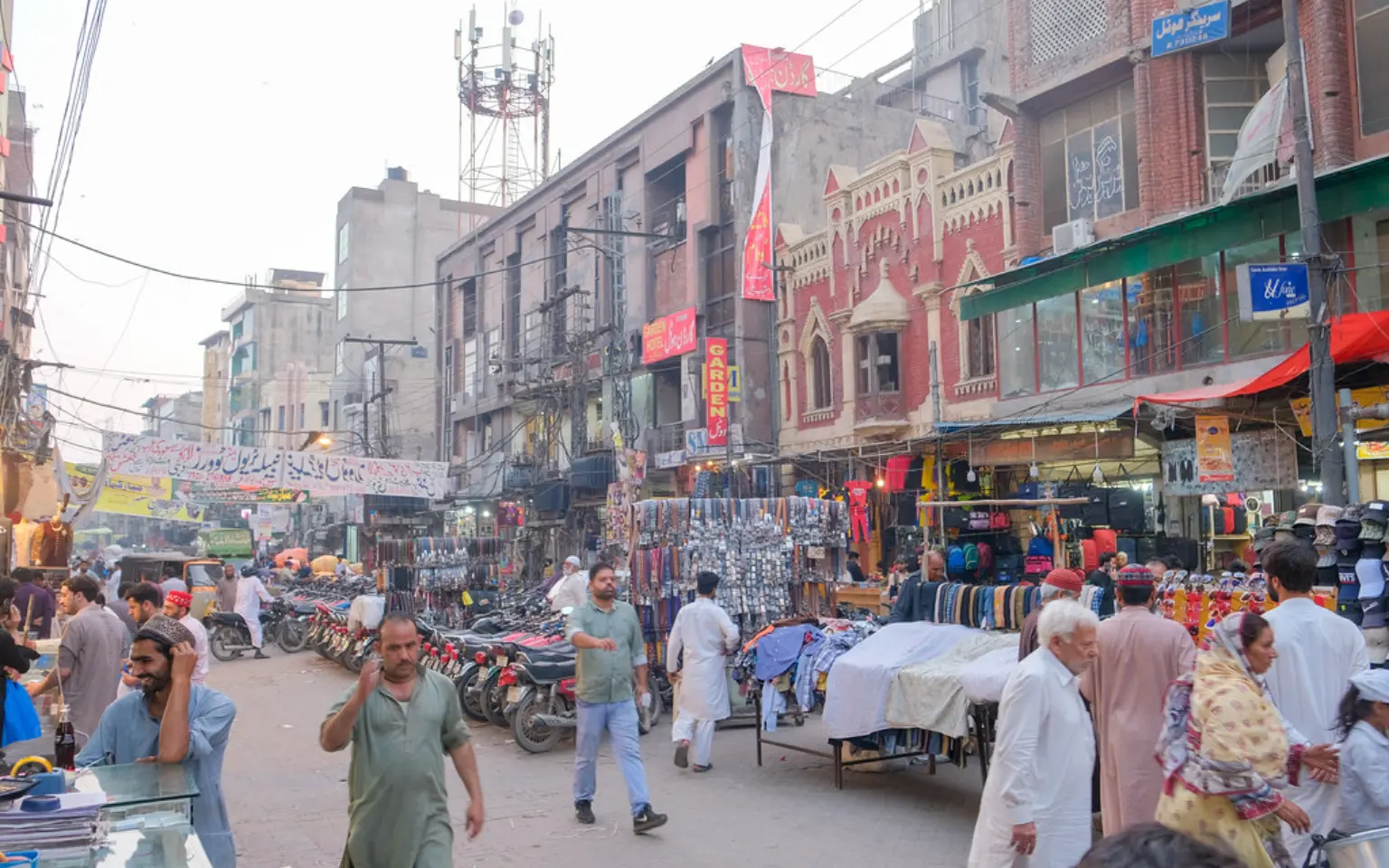
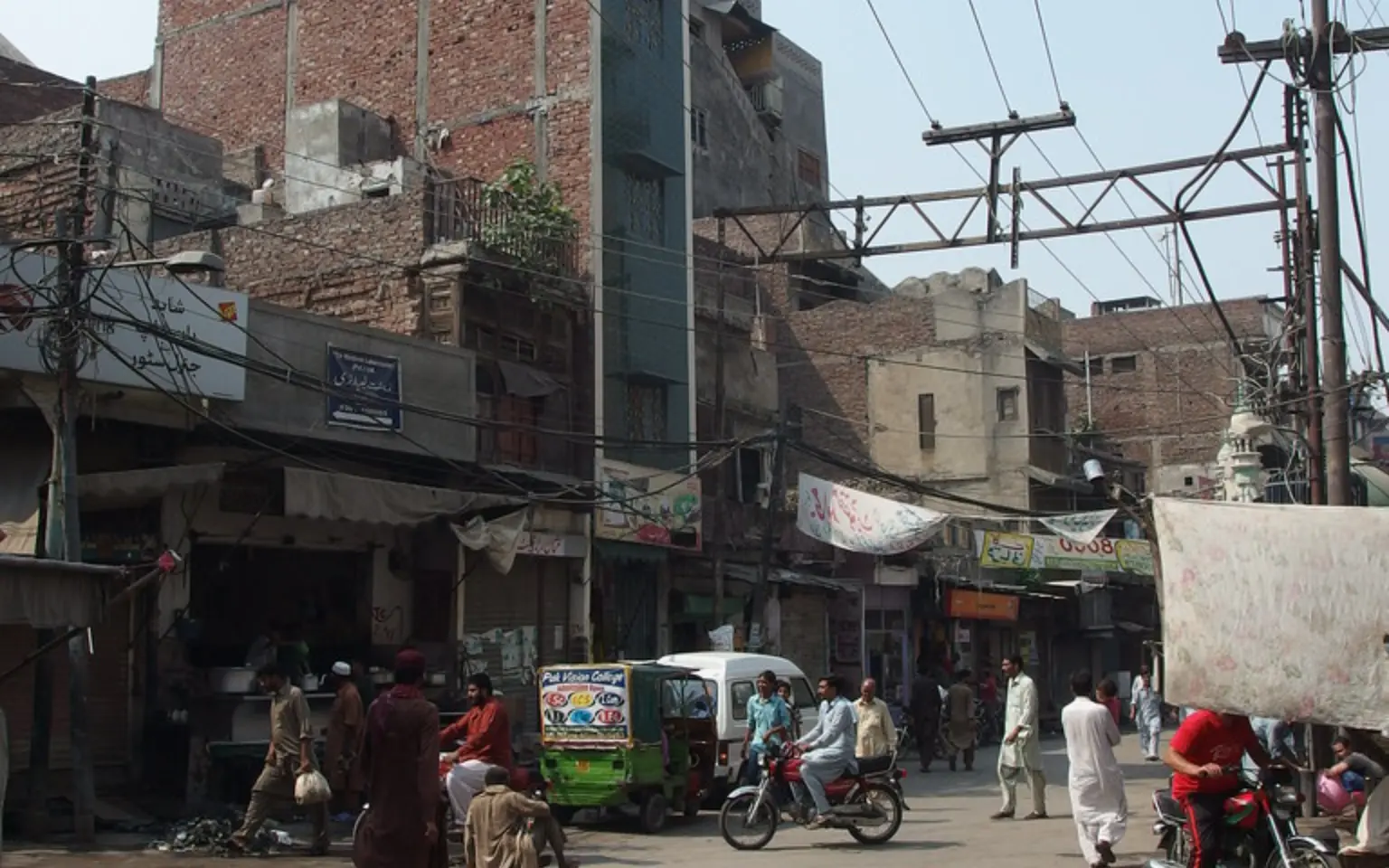
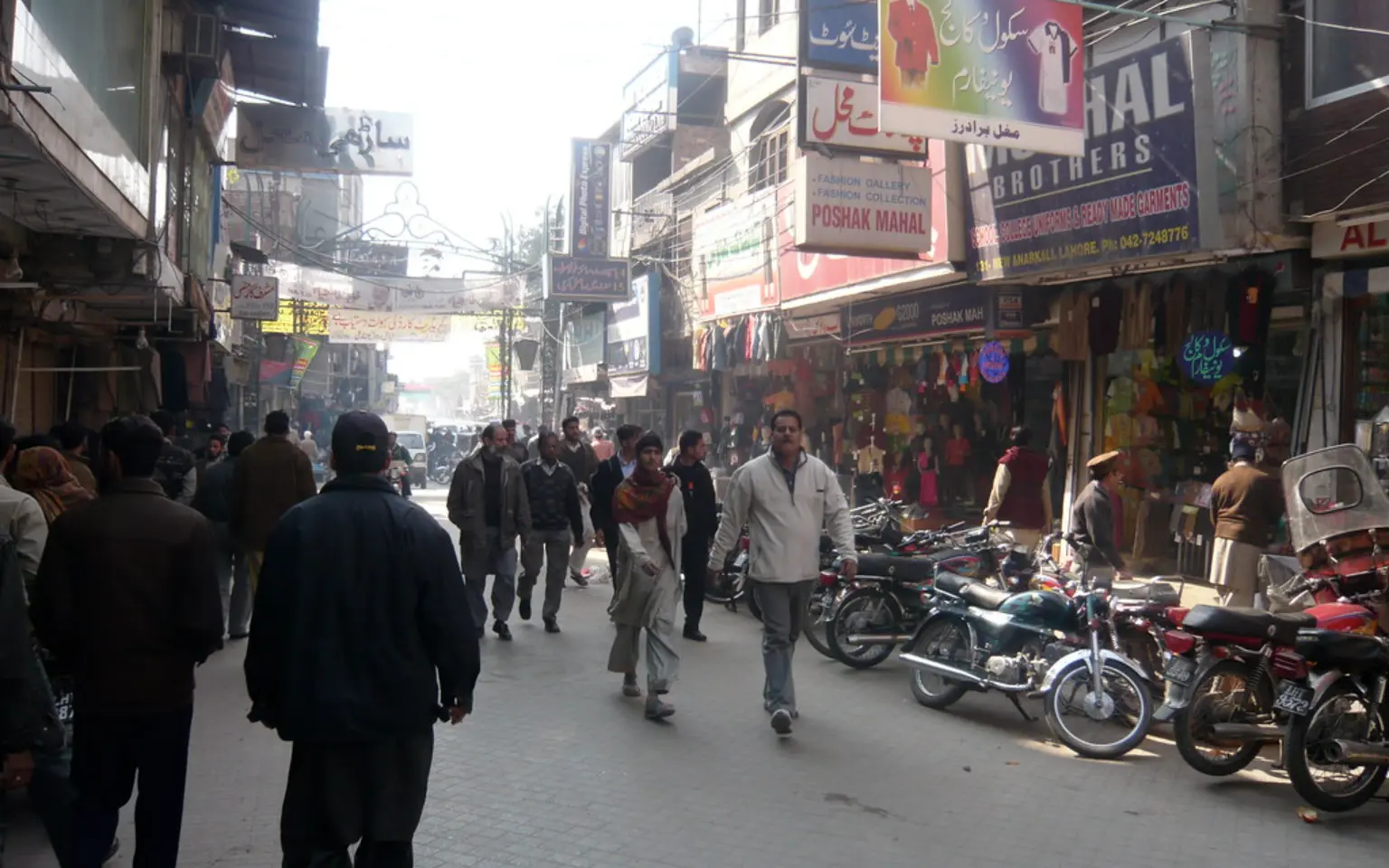
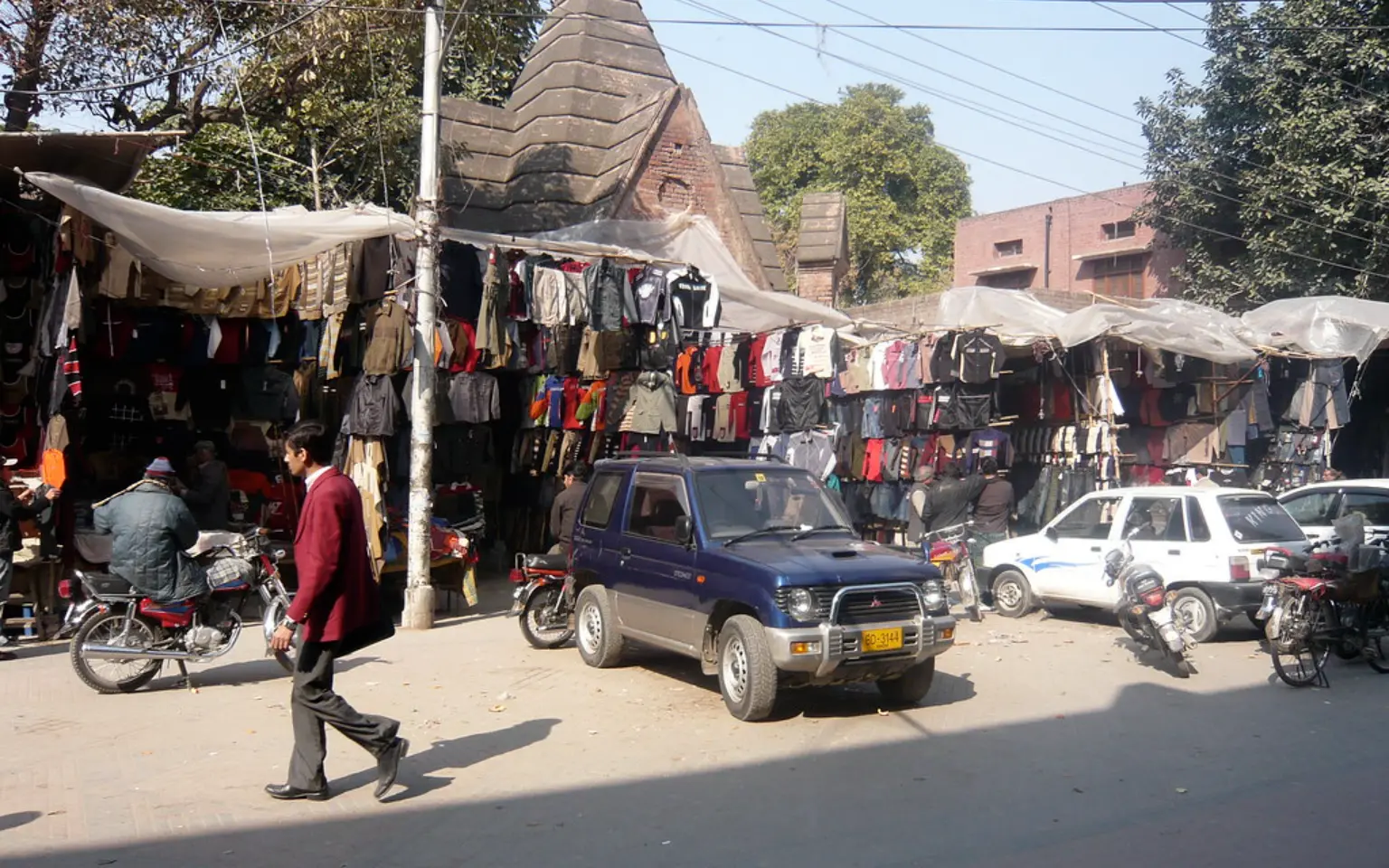
Awnings and parked traffic along the shopfronts of Anarkali, Lahore
Rules & safetyLatest guide

Kite Flying Licences in Punjab: Seller, Manufacturer, Club, Flyer — Who Needs Which Paper

Punjab's kite licensing has four lanes. Manufacturers need production licences and can only operate in the four approved districts. Sellers register via Form A and receive the Form B certificate — Rs. 1,000 in the 2026 cycle. Kite-flying clubs and associations file Form C for the Form D approval — Rs. 5,000 in 2026. Ordinary flyers need no licence at all: their obligations are the rules (18+, festival window, legal equipment, compliant roof), not paperwork.

5 min read
Read the guide →
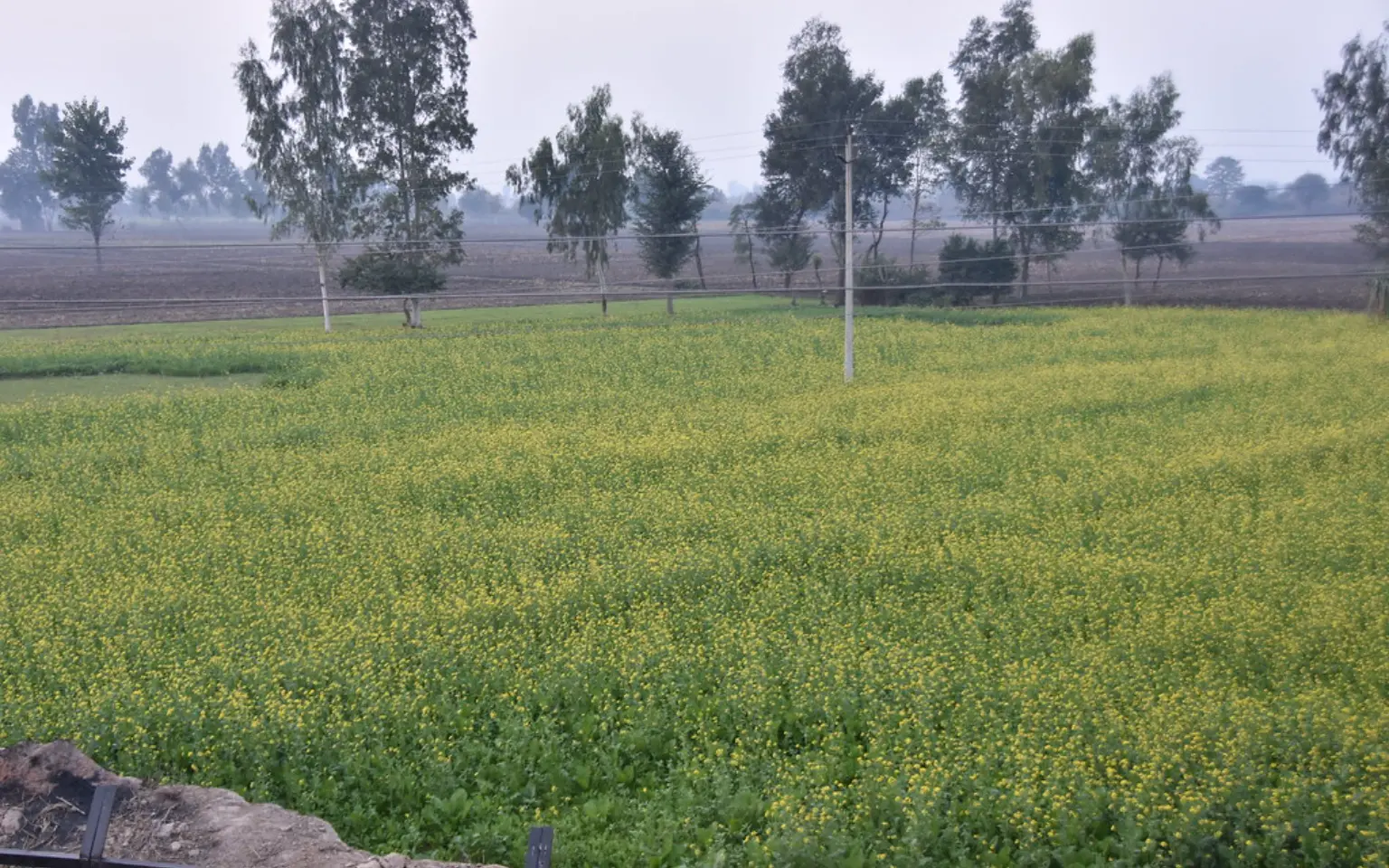
Mustard fields on the Punjab plain — the crop the festival is named for
Basant

Basant Weather: What February Gave the Kites, and What March Will

Moving Basant from early February to 12–14 March shifts the festival into genuinely different weather: Lahore's February averages highs near 24°C with cool 8°C nights, while March runs highs around 30°C with 14°C nights and livelier afternoon thermals. For flying, that means stronger daytime lift favouring bigger kites; for hosting, warmer days, gentler nights, and hydration mattering more than blankets.

4 min read
A Lahore street food stall cooking on the pavement
Lahore kite culture

What Lahore Eats at Basant: The Rooftop Menu, Documented Properly

Basant runs on food the way it runs on wind. The 2026 revival's rooftop menus were documented in delicious detail: barbecue and broast, malai boti and mutton tikka, hareesa, fish, phulkiyan-style fry-ups, ladoos and dry fruit — with hosts running separate day and night spreads for parties that never really stopped. The tradition's rule is abundance with local anchors: walled-city classics beside the grill, yellow sweets for the season.

4 min read
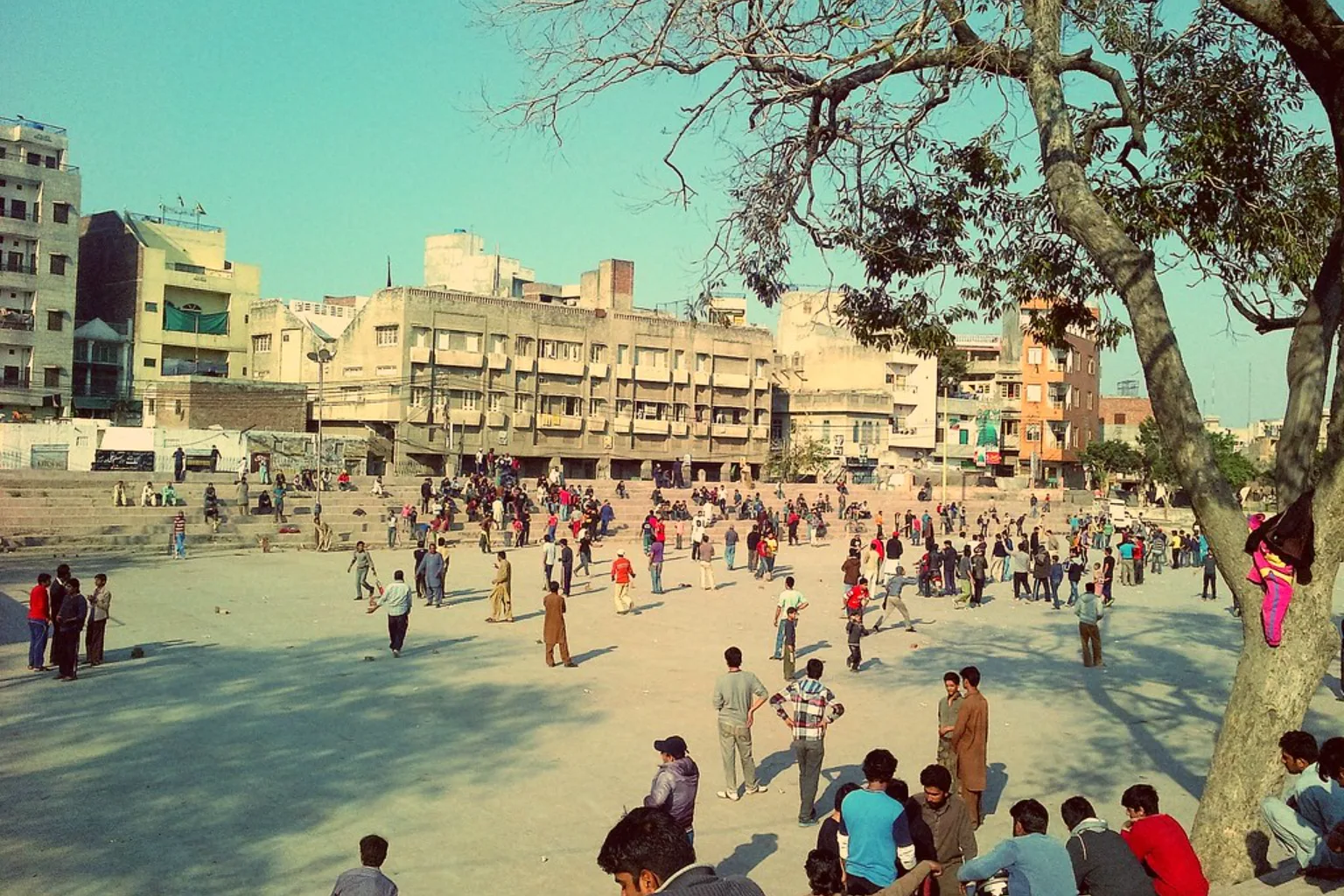
A crowd gathered on the open ground inside Mochi Gate, Lahore
Lahore kite culture

Patang Bazi in Lahore: The Culture That Outlived Its Own Ban

Patang bazi — literally "kite play" — is the whole culture around competitive kite flying in Lahore: the duels and their vocabulary, the craft of makers and winders, the rooftop seasons, and the generational handing-down of technique. It's bigger than Basant (the festival is its peak, not its whole) and proved bigger than the ban: eighteen prohibited years thinned it but couldn't erase it, and the 2026 revival showed the culture intact.

4 min read
Packed rooftops of Lahore's walled city seen from Mori Gate
Lahore kite culture

Bo Kata: The Victory Cry, Where It Comes From, and How a Kite Cut Actually Happens

"Bo kata!" is the triumphant cry of Lahore's kite duels — roughly "it's been cut!" — shouted the instant your line severs an opponent's and their kite drifts free. Behind the cry is the pecha: two crossed lines sawing under tension until one gives. The cut is won by line quality, angle and tension control; the cry is won by the whole rooftop, at volume, with the dhol answering.

5 min read
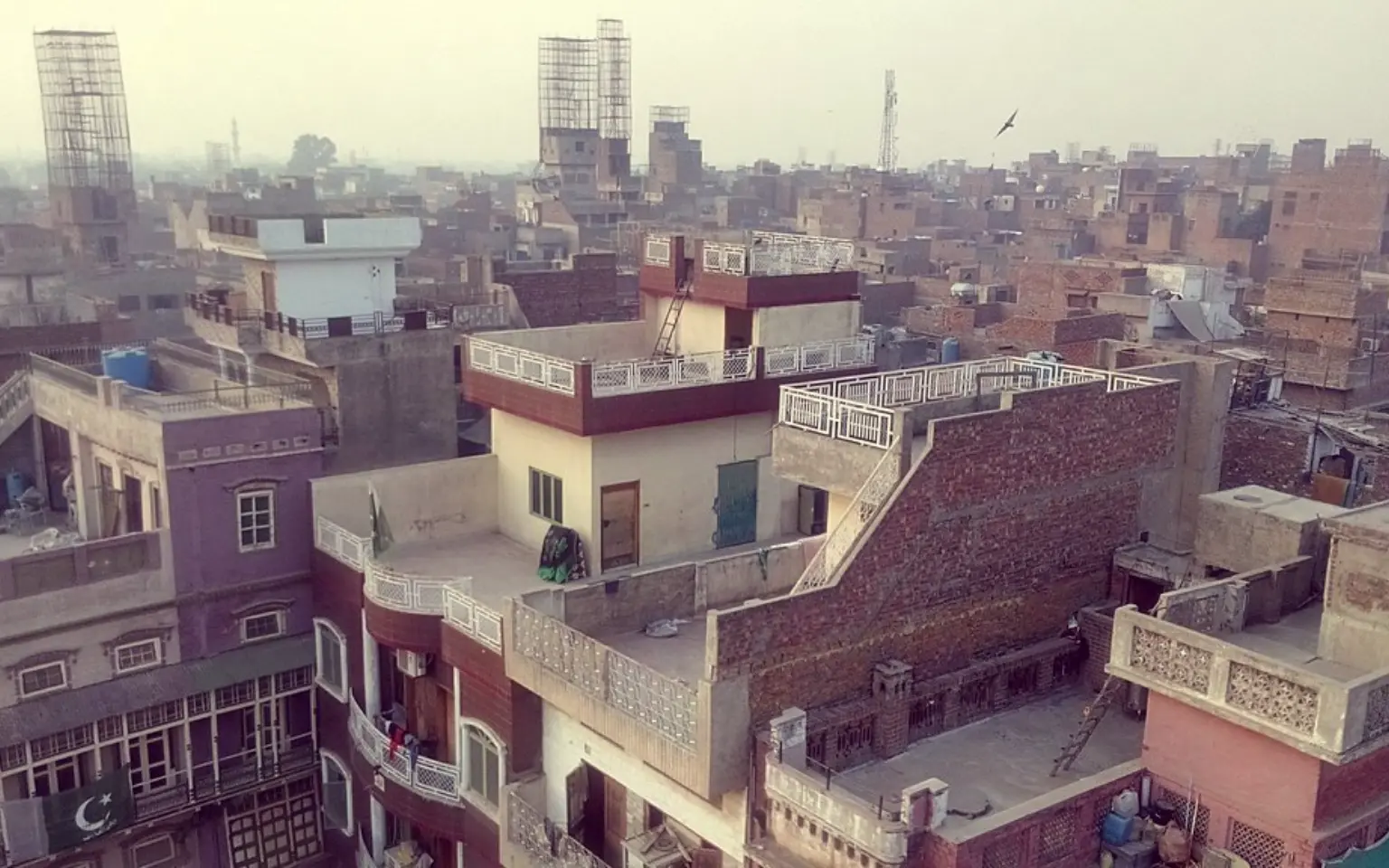
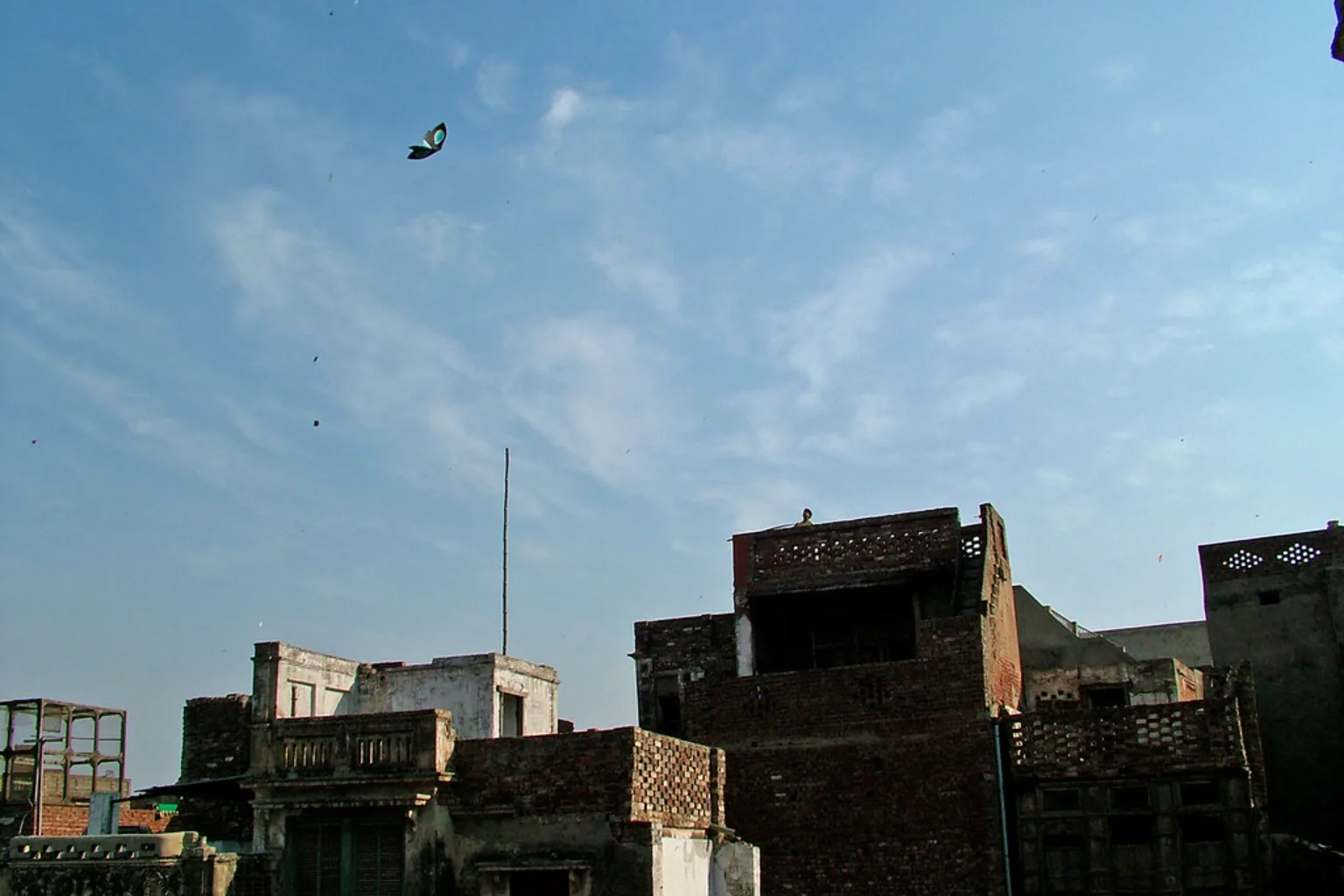
Rooftops and old brick buildings inside Lahore's walled city
Basant

Is Basant 2027 Cancelled? The Rumour Tracker

No. As of 29 August 2026, Basant 2027 is not cancelled — the festival stands as announced for 12–14 March 2027 in Lahore, and no official cancellation or restriction has been issued. The rumour recurs for a real reason: the festival operates under Lahore High Court scrutiny following 2026's seventeen deaths, so every hearing produces headlines that travel as "Basant cancelled?" This page holds the dated status and updates on every actual development.

4 min read
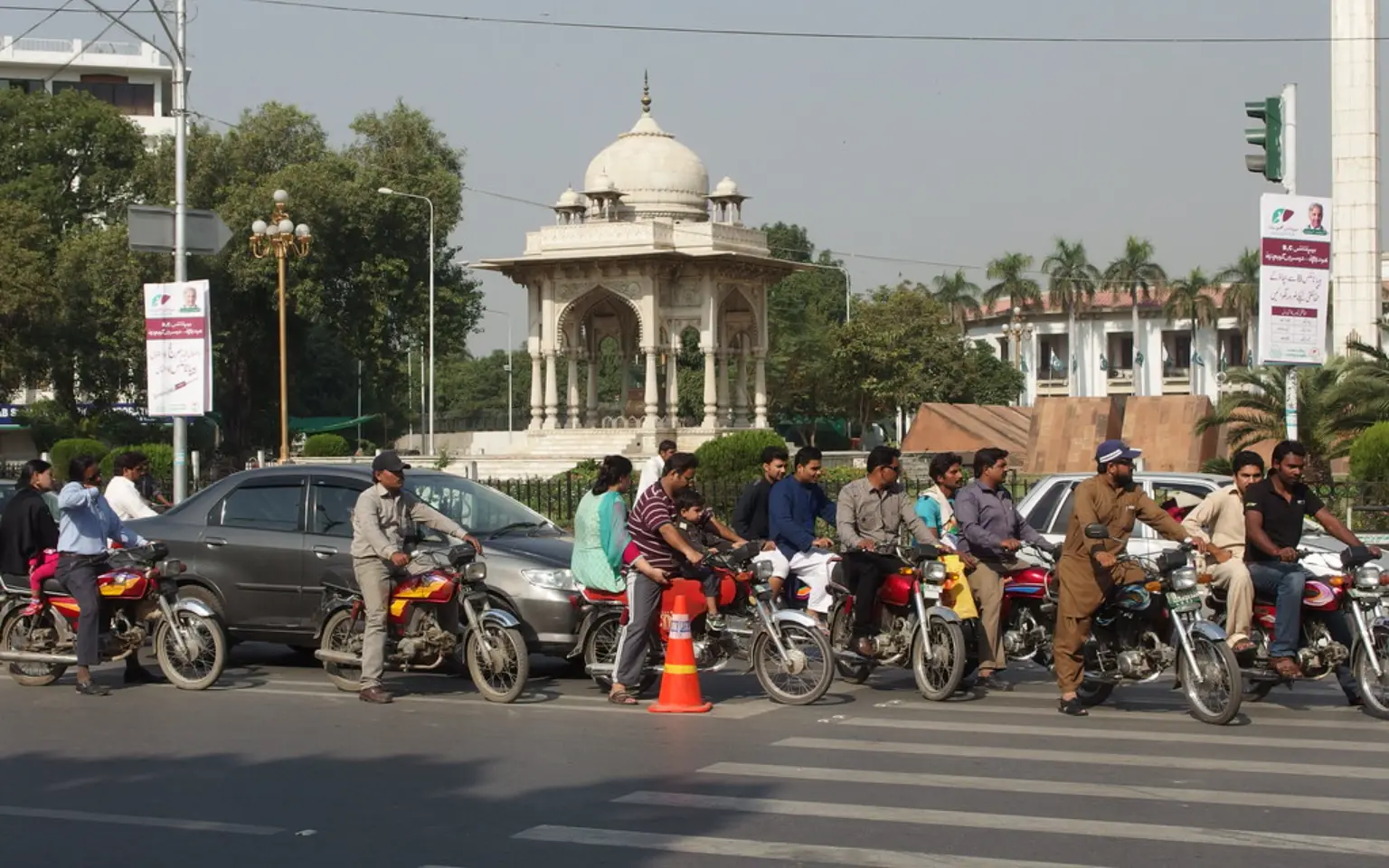
Motorbikes waiting at a junction by the Punjab Assembly, Lahore
Rules & safety

First Aid on a Basant Rooftop: What the Rules Require, and What Sense Adds

The 2027 framework requires a first-aid kit on every premises hosting kite flying — and a useful one holds gauze, bandages, antiseptic, tape, scissors, burn dressing and any household medicines, positioned visibly on the roof. The judgment rule that matters more than the kit: line cuts and scrapes are roof-treatable; anything involving a fall, a head, or the street is a Rescue 1122 call first and first aid second.

5 min read
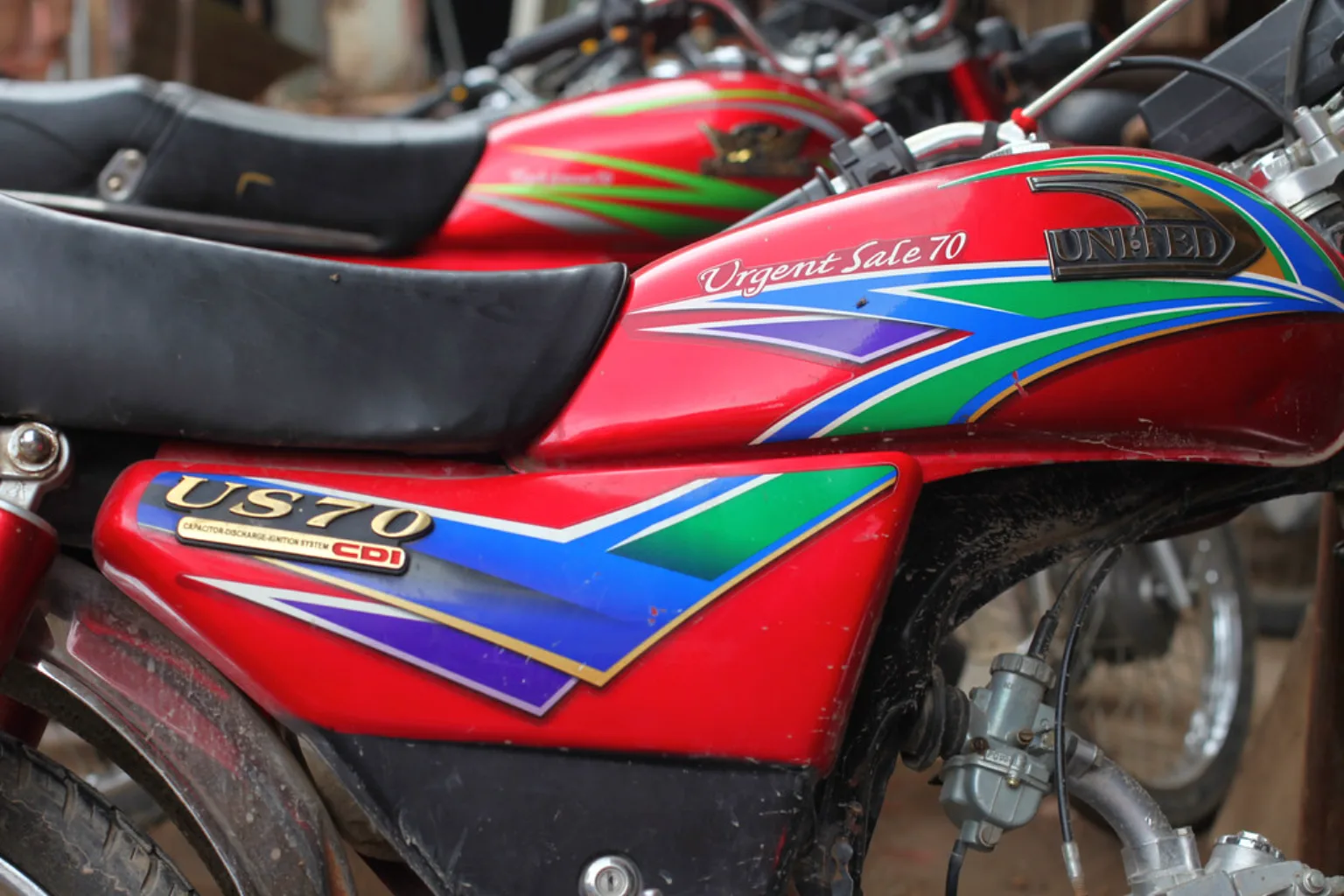
A bright red 70cc motorcycle of the kind ridden across Lahore
Rules & safety

Motorcycles and Basant: The Safety-Rod Rule, and How to Ride the Festival Week

For Basant 2026, Lahore made a front-mounted safety rod mandatory on every motorcycle — no rod, no road — with free installation camps citywide and FIRs for violators, alongside helmet requirements for rider and pillion. The rod deflects stray kite string away from the rider's neck and face. Expect the same regime for the 12–14 March 2027 festival, and fit the rod early regardless: it's cheap, quick, and it works.

5 min read
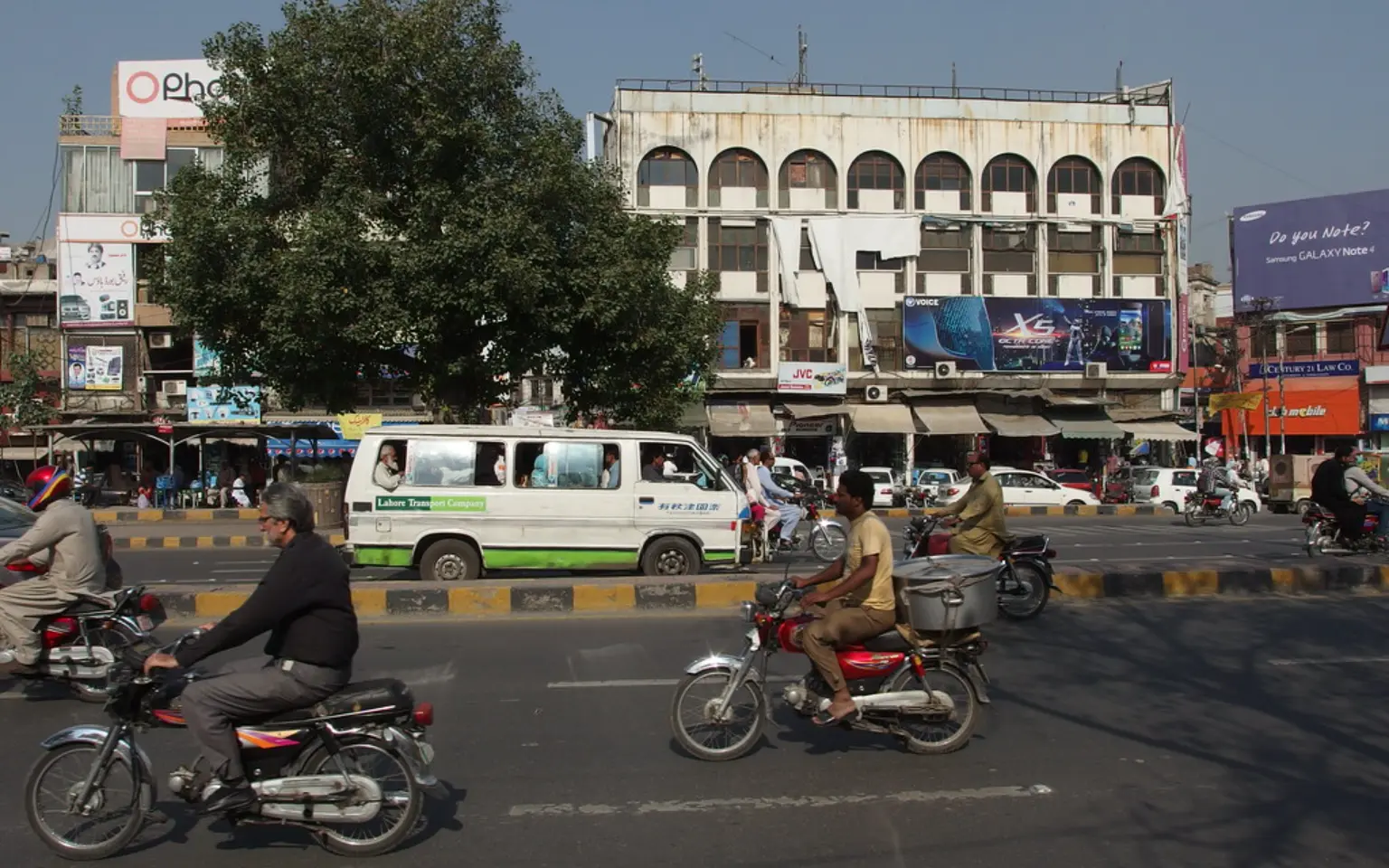
Motorbikes crossing a wide road in Lahore
Rules & safety

Kite String Injuries: How They Actually Happen, and the Two-Minute Preventions

Kite string injuries split into two very different classes. Legal cotton line causes friction cuts and burns to the hands of flyers during launches, duels and gusts — painful, preventable with gloves or finger guards, rarely serious. Banned coated and metallic lines caused the second class: deep lacerations to motorcyclists and bystanders at street level, and electrocutions — the injuries behind the ban era, addressed today by the cotton-only law, the bike safety-rod rule, and enforcement.

5 min read
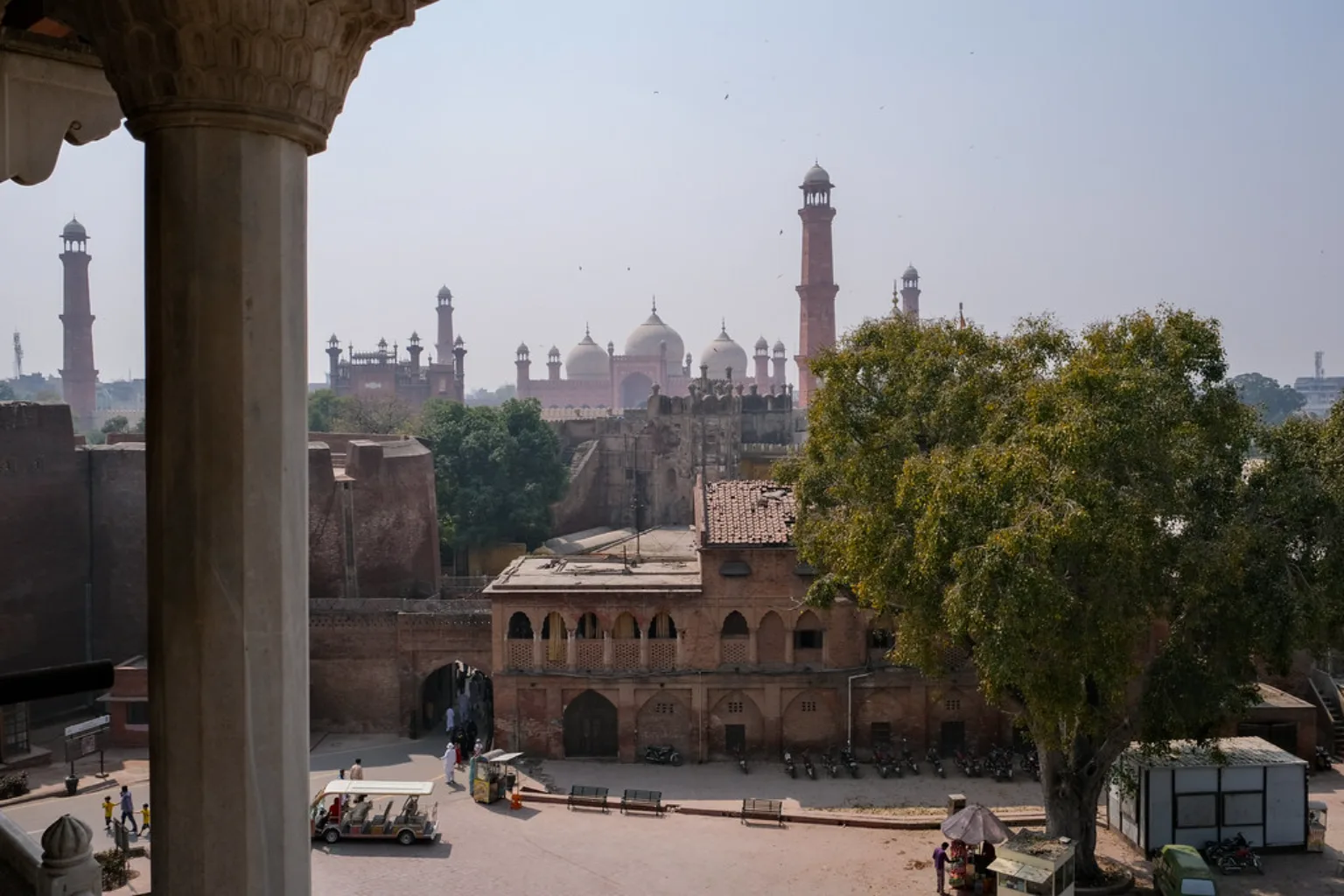
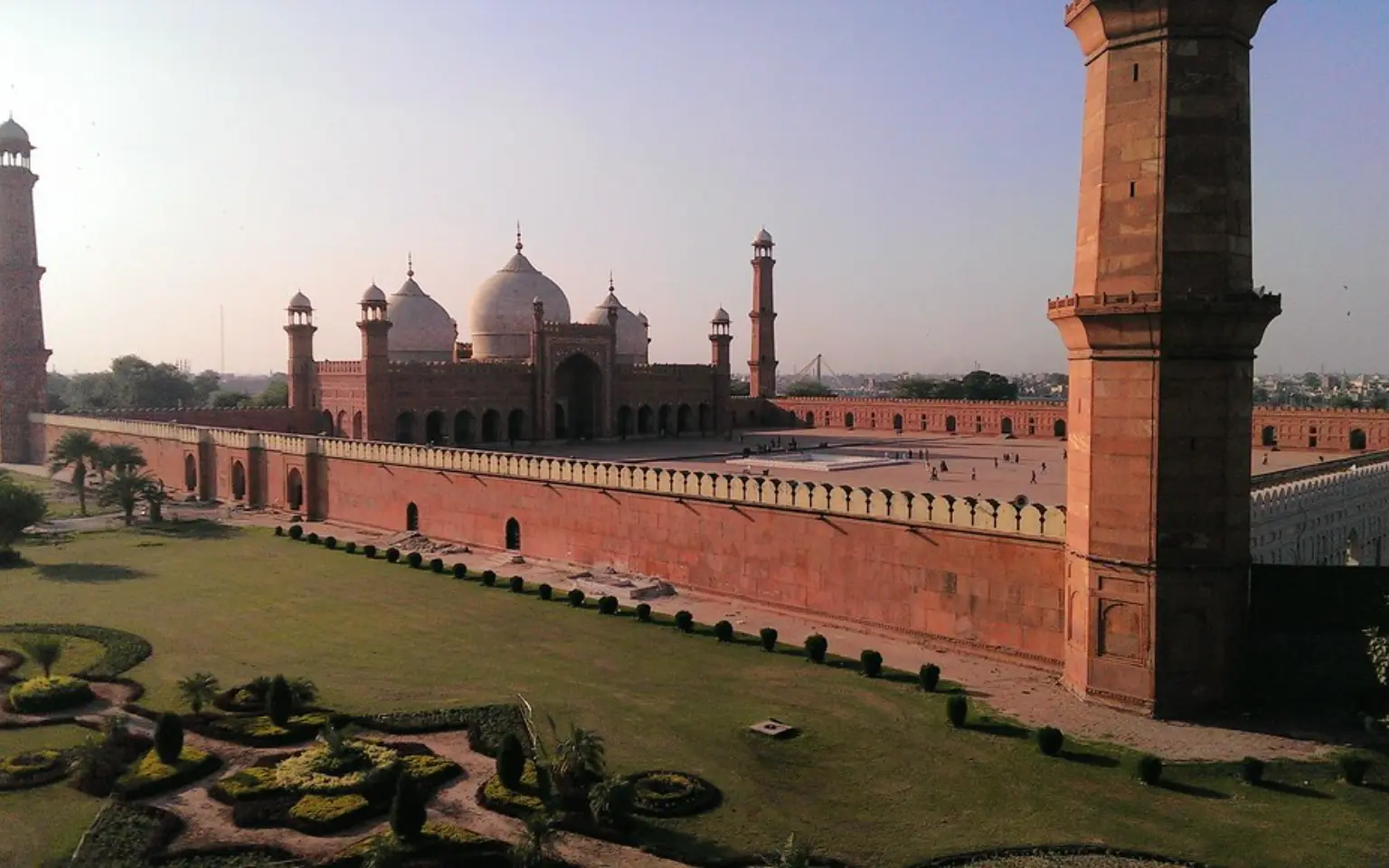
The Badshahi Mosque seen across the rooftops of Lahore's walled city
Rules & safety

The Rooftop Safety Checklist We'd Want on Every Roof This Basant

A safe Basant rooftop passes ten checks before the first kite launches: a sound structure, walls at 3.5 feet or higher, a headcount the roof can carry, a named adult watching children, edges treated as off-limits, no running or kite-snatching games, a stocked first-aid kit, Rescue 1122 saved in the host's phone, lighting for the night hours, and legal equipment only. Every item traces to a real 2026 accident cause — this list is the festival's casualty report turned into prevention.

5 min read
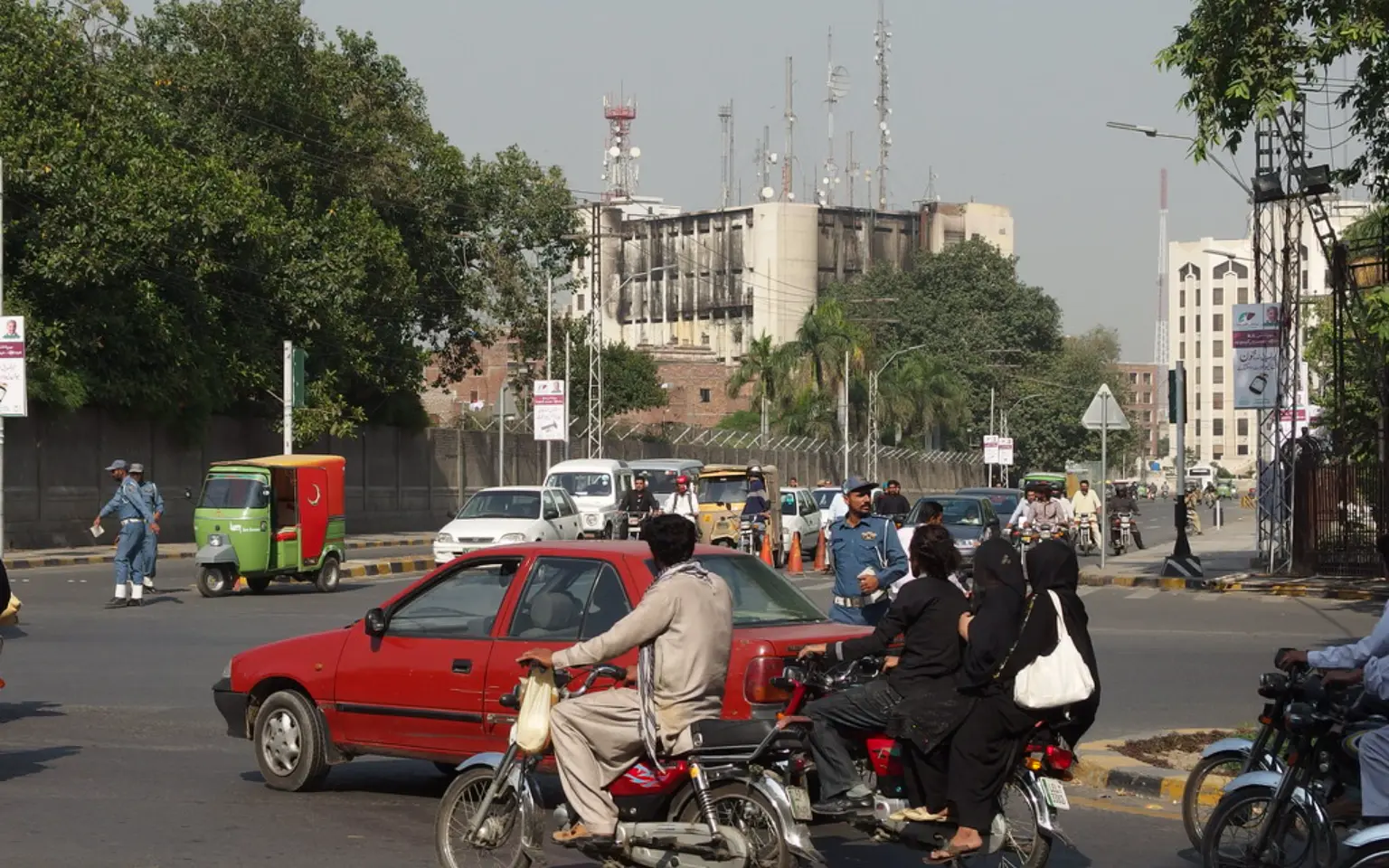
Traffic and motorbikes on Mall Road, Lahore
Rules & safety

Which Manjha Is Best for Kite Fighting? The Honest Answer Is None.

If "manjha" means coated fighting string — and in this question it always does — the answer is that no manjha is best, because every coated, glass, chemical or metallic line is banned in Punjab, carries three to five years' imprisonment and up to Rs. 2 million in fines, and is the direct reason seventeen families buried someone after Basant 2026's road and wire accidents across the years of illegal string. The legal question with a real answer is: which cotton pinna fights best — and that comes down to premium names, fresh winding, and hands that know a pecha.

5 min read
A shopfront hung with bright goods inside Lahore's walled city
Buying guides

Kite String, Decoded: What 9-Ply Cotton Means and Why It's the Only Legal Choice

Legal kite string in Punjab is thread-based cotton — the 2026 specification allowed a maximum of 9 threads (9-tar), wound in round pinna balls. "Ply" (or cord/tar) counts the threads twisted together; "glace" describes the smooth polished finish of quality cotton lines; and the numbers in traditional string names — 8 Chain, 100 Escort, 35 Minar — are brand identity, not measurements. Everything coated, synthetic or metallic sits outside the law entirely.

5 min read
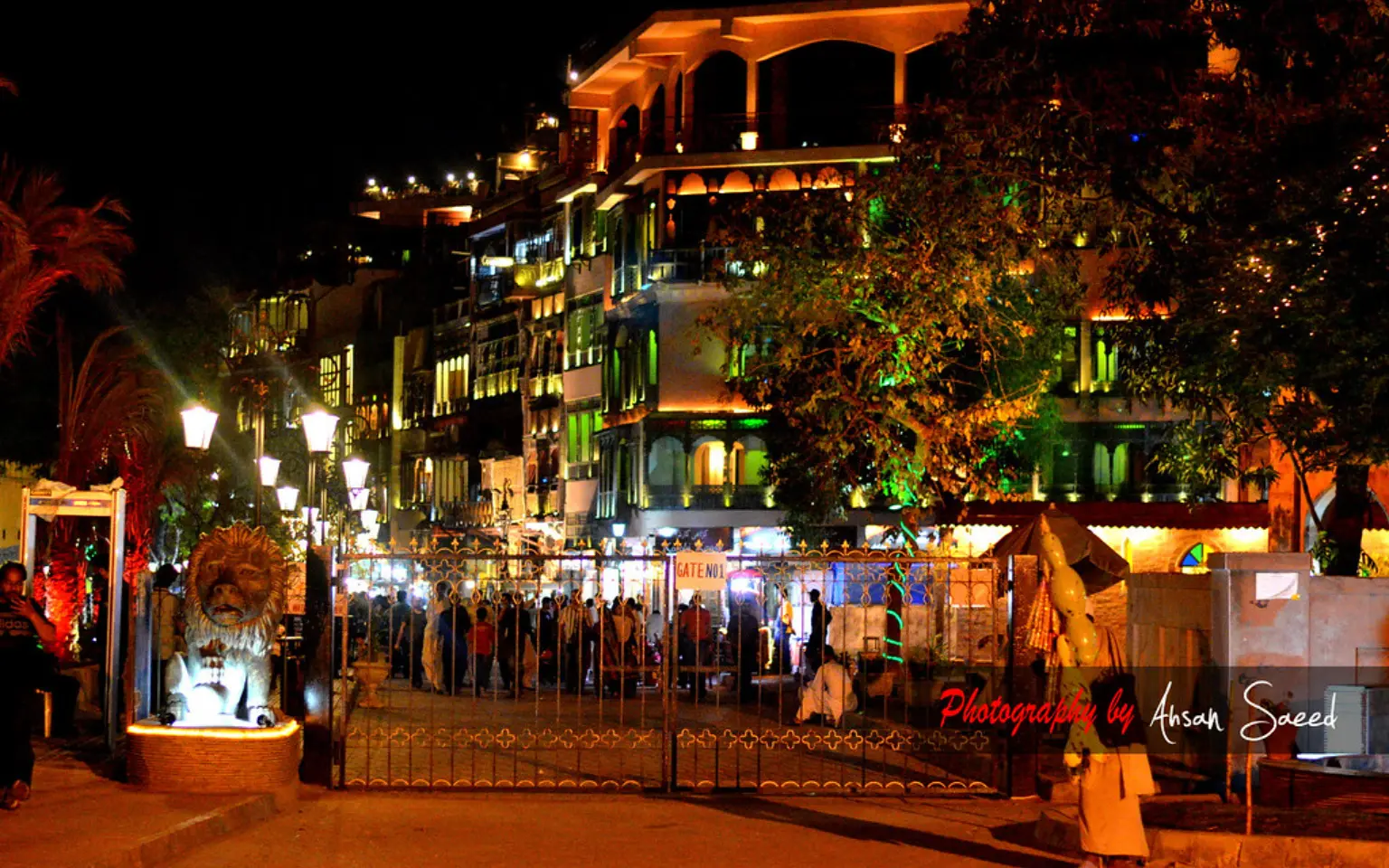
Lahore's food street lit up at night
Lahore kite culture

Night Kite Flying at Basant: White Kites, Floodlights, and What the Rules Now Allow

Night flying is Basant's oldest signature — the festival traditionally opens with white kites flown after dark, chosen because white stays visible against the night sky, from floodlit rooftops around the Walled City. The tradition returned with the 2026 revival and continues under the current rules: same legal equipment and adult-only lines as daytime, with the 2027 framework's noise limits (no DJs or high-decibel systems) and rooftop safety rules applying at full force after dark.

5 min read
Mustard fields on the Punjab plain — the crop the festival is named for
Buying guides

Minimum Wind for Kite Flying — and What Lahore's Sky Gives You, Month by Month

Light paper kites fly from roughly 5–8 km/h of steady breeze; a 1 tawa gudda wants 8–15 km/h; heavier grades — 1.5 tawa and serious githi patang — perform from the mid-teens upward. Lahore's festival months sit right in that band: February averages around 14–15 km/h winds with ~24°C highs, and March brings warmer afternoons whose thermal stirring favours the bigger kites — one quiet advantage of Basant 2027's 12–14 March dates.

5 min read
Children flying kites over open ground in Lahore
Buying guides

How to Fly a Patang: A Beginner's Guide for the First Basant Back

Flying a patang is a two-person launch followed by one repeated skill: the pinch-and-release. A partner holds the kite downwind and lofts it on your signal; you take up tension, then climb by alternating short, firm tugs (which pitch the kite's nose up) with controlled line release (which lets it rise). Height comes from rhythm, not strength — and control comes from keeping just enough tension that the kite always answers your hand.

5 min read
Rickshaws and traffic on a busy Gawalmandi street, Lahore
Buying guides

Githi Patang Sizes: 3 to 6 Githi, Measured and Explained

Githi is the patang's paper-quantity grading — the patang equivalent of the gudda's tawa system. The ladder people actually search runs 3, 3.5, 4, 4.5, 5 and 6 githi, climbing from manageable rooftop patang to expert-only frames. More githi means more paper, a stronger bow, more wind required and harder pull — and above the mid-grades, kites that exceed the legal size caps or the average rooftop's conditions stop being sensible buys.

5 min read
Balconied shopfronts along a street in Gawalmandi, Lahore
Buying guides

1 Tawa or 1.5 Tawa Gudda: Which One Should Your Rooftop Pre-Book?

Book the 1 tawa gudda (Rs. 300 today) if this is your first season back, your rooftop is enclosed, or your wind arrives soft and swirling — it forgives everything a returning flyer does. Book the 1.5 tawa (Rs. 450) if you flew last season and your roof catches clean wind — the extra paper climbs harder and holds duels steadier. Most rooftops book both: 1 tawa as the fleet, 1.5 as the sharp end.

4 min read
The carved balcony facade of an old haveli near Mochi Gate, Lahore
Lahore kite culture

Lahore's Kite Markets: Mochi Gate and Where the Trade Actually Lives

Lahore's kite trade lives in the Walled City, with the lanes inside Mochi Gate its most storied address — narrow streets of kite makers and string sellers working a craft generations old. The market is seasonal by law now: stalls fill when a festival's production and sale windows open and thin out after. Off-season, the legitimate trade runs on registrations and reservations rather than open shelves.

5 min read
A Lahore street lined with shops and rickshaws
Buying guides

Buying Kites Online in Pakistan: COD, Deposits, and the Checks That Protect You

Buying kites online in Pakistan is legitimate when three checks pass: the seller holds (and shows) government registration, the stock is QR-verifiable to a licensed manufacturer, and the delivery terms respect the law — nothing ships outside the permitted sale window, with cash-on-delivery or a clearly refundable deposit. Any seller failing a check, or promising delivery "right now" out of season, is the listing to close.

5 min read
Shoppers and motorbikes in Anarkali market, Lahore
Buying guides

Gudda Kites: Grades, Designs and Honest Prices — the Buyer's Single Page

The gudda is the broad, steady workhorse kite of Lahore rooftops — easier to fly than a big patang, with real pull once the wind rises. It's graded by paper quantity in tawa: 1 tawa (Rs. 300 today) is the sensible first kite, 1.5 tawa (Rs. 450) the step up, and the Fancy (Rs. 650) is the same 1.5 frame wearing printed designs — taj circles, card suits — that stay recognisable at full line.

5 min read
A crowd gathered on the open ground inside Mochi Gate, Lahore
Buying guides

Patang Prices in Pakistan: Why the Big Kite Costs What It Costs

Patang pricing follows the making: more paper (higher githi), more bamboo work and a properly tensioned bow cost real craft hours, so a serious patang costs several times a small commodity kite. As of 28 August 2026 our 4.5 githi patang lists at Rs. 1,500 single or Rs. 18,000 for a raqam (the patang dozen), against 2026-season commodity patang at Rs. 800–900. Prices climb hardest in the season's final week.

5 min read
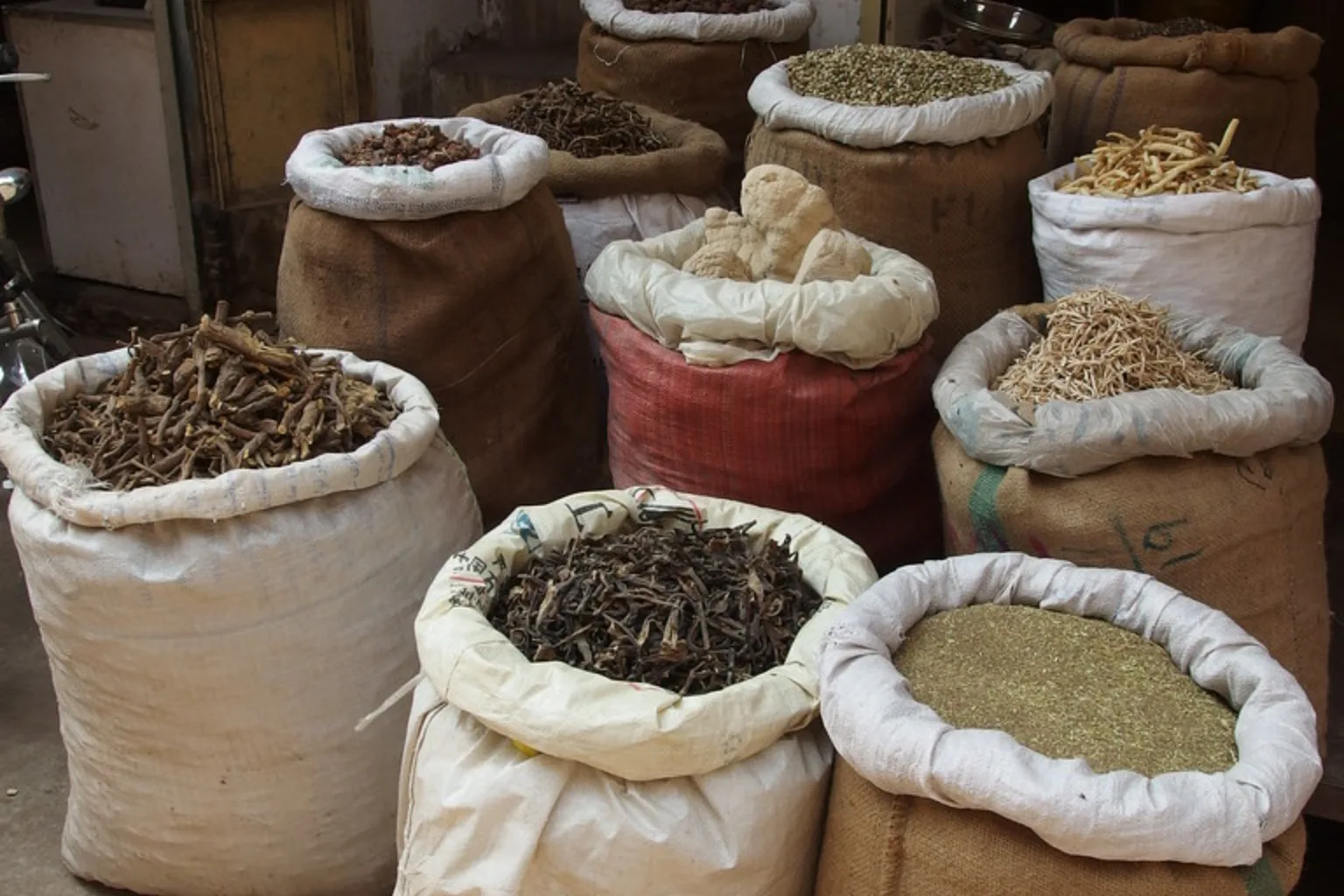
Open sacks of spices in a walled-city bazaar, Lahore
Buying guides

Dor and Pinna Prices in Pakistan: What 2, 4 and 6 Pieces Actually Cost, and Why Quotes Differ So Much

Legal 9-ply cotton dor sells by the piece — 1,000 yards of wound thread — usually as 2, 4 or 6-piece pinna balls. As of 28 August 2026, our shelf runs Rs. 6,000–7,800 per 2 pieces (2,000 yards) depending on the string name, with 4 and 6-piece balls at exact multiples. In the 2026 season, comparable 2-piece balls quoted anywhere from Rs. 5,000 to Rs. 8,500 across sellers — the spread comes from name premiums, timing, and balls that aren't the length claimed.

5 min read
A bazaar lane inside Mochi Gate, Lahore, hung with Urdu shop signboards
Rules & safety

The QR Sticker on a Legal Kite: What It Proves, How to Scan It, and What a Missing One Means

Every legal kite and ball of string in Punjab carries a government-issued QR sticker that scans to the official registration system and names the licensed manufacturer who made it. It's the festival's traceability backbone: one scan tells you the kite is lawful, sized within limits, and made in an approved district. A kite without a working sticker can't be verified, can be confiscated, and shouldn't be bought at any price.

5 min read
A narrow lane of shops and motorbikes inside Lahore's walled city
Rules & safety

Basant Zones in Lahore: How the Red, Yellow and Green System Worked in 2026 — and What to Expect for 2027

For Basant 2026, Lahore was divided into red, yellow and green zones: green zones permitted rooftop kite flying under the rules, yellow zones allowed limited activity under closer monitoring, and red zones — including the Walled City — faced the strictest controls. Enforcement ran through drones, safe-city cameras and control rooms. The 2027 zone map has not been published yet; expect it with the season's notifications closer to 12–14 March.

4 min read
A shopfront hung with bright goods inside Lahore's walled city
Rules & safety

Chemical Manjha: What It Is, Why It's Banned, and How to Recognise It Before It's on a Roof

Chemical manjha is kite string treated with abrasive coatings — chemical pastes, powdered glass, or synthetic and metallic materials — to win cutting duels. It turns a festival line into a blade: it has cut throats, caused electrocutions, and is banned outright in Punjab, with three to five years' imprisonment and fines up to Rs. 2 million. The only legal kite string in Punjab is plain, uncoated, thread-based cotton.

5 min read
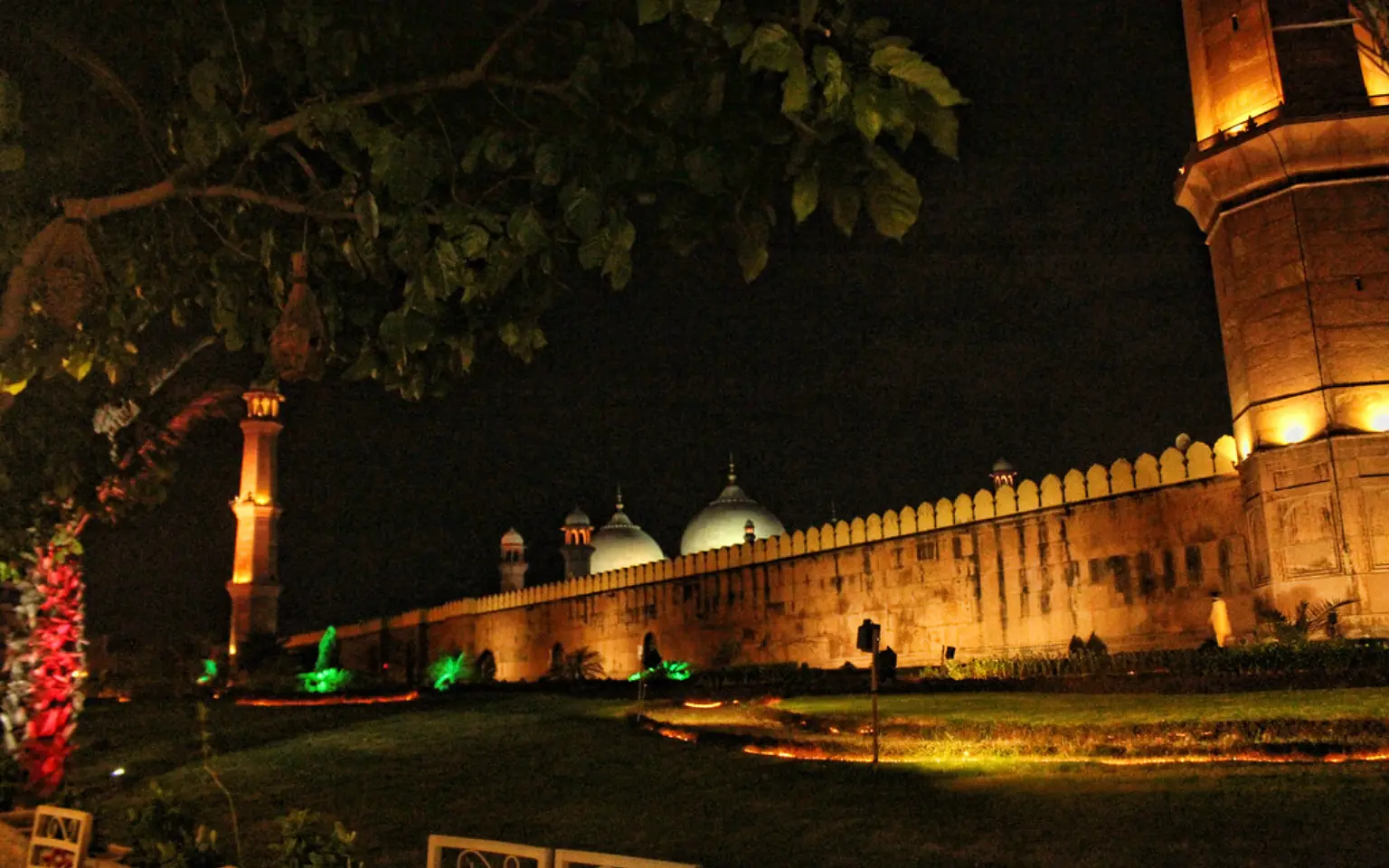
The Lahore Fort and Badshahi Mosque floodlit at night
Rules & safety

When Was Kite Flying Banned in Punjab? The Full Timeline, Including the False Starts

In stages: Punjab first imposed kite-flying regulations in 2005 after years of string deaths, and the full provincial ban took effect in 2007. Brief court-ordered or government relaxations in the late 2000s ended after fresh casualties, and the ban then held largely unbroken until the Punjab Regulation of Kite Flying Ordinance 2025 enabled the legal revival of 6–8 February 2026.

4 min read
Packed rooftops of Lahore's walled city seen from Mori Gate
Rules & safety

Lahore Rooftop Rules for Basant 2027: The Checklist an Inspector Would Use on Your Roof

For Basant 2027, kite flying is permitted only on structurally sound rooftops with boundary walls at least 3.5 feet high, crowds within safe load capacity, children continuously supervised and kept from edges, no running or hanging over parapets, no DJ systems, and a first-aid kit on the premises. Building owners and event organisers are jointly liable for violations — and the framework takes effect across Punjab by 30 December 2026, before the season starts.

5 min read
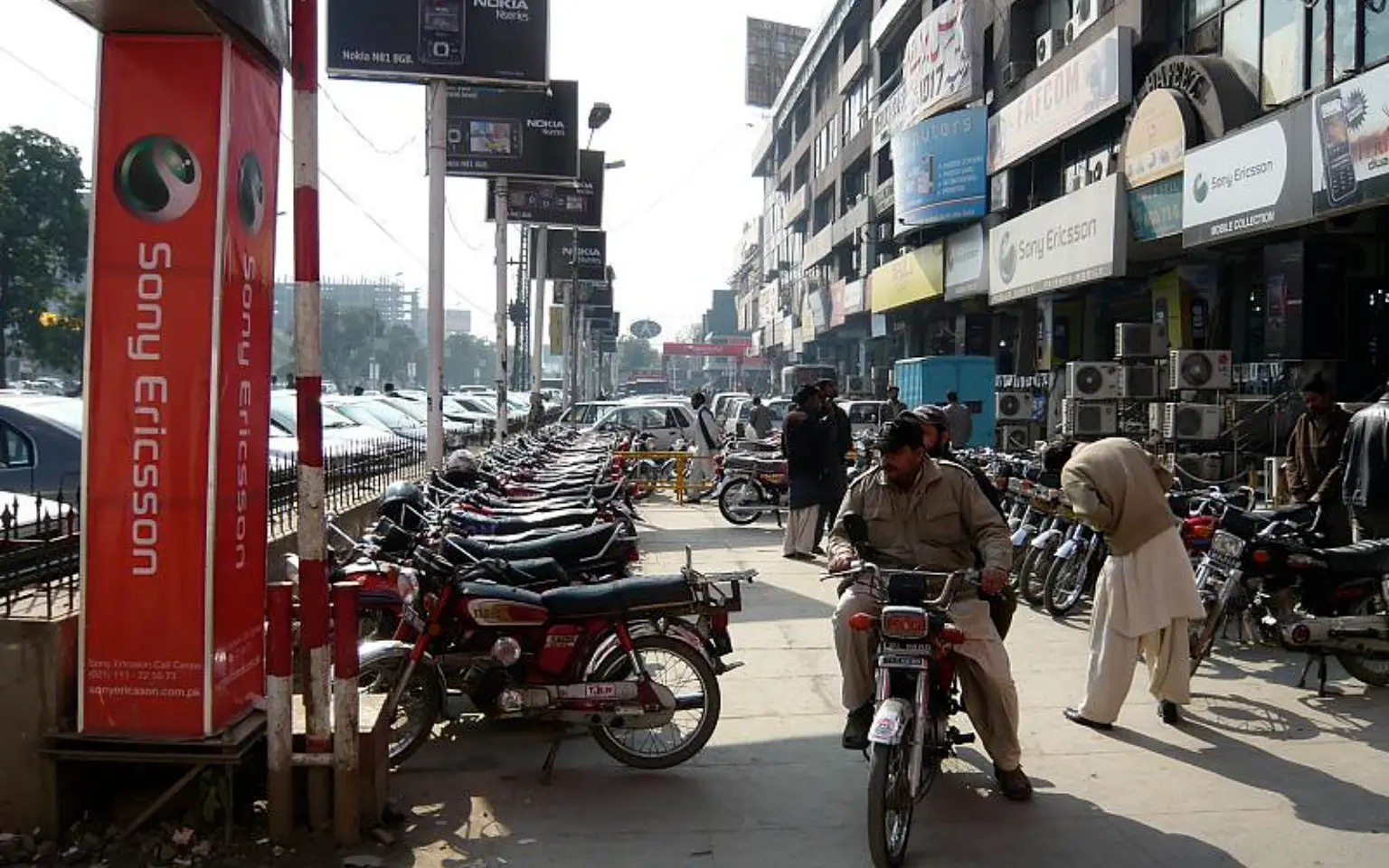
Motorbikes lined along a Lahore street
Rules & safety

Kite Flying Punishment in Pakistan: The Actual Fines and Jail Terms, Offence by Offence

The heaviest kite-related punishment in Pakistan targets banned string: making, selling or using metallic wire, nylon or chemical/glass-coated manjha carries three to five years' imprisonment, a fine up to Rs. 2 million, or both, under Punjab's 2025 Ordinance. Flying outside the announced window, selling without registration, and rooftop conduct violations are separate offences with their own consequences — and in Sindh, all kite flying is banned outright.

5 min read
Kites specked across the sky above the brick rooftops of Lahore's old city
Basant

Basant 2027 vs Basant 2026: What Actually Changes This Time

Basant 2027 runs 12–14 March in Lahore — about five weeks later than 2026's 6–8 February festival — under a stricter rooftop-safety framework that must be in force across Punjab by 30 December 2026. The kite-side rules are unchanged (QR-verified kites, cotton pinna only, adult flyers); what tightens is the rooftop: wall heights, crowd limits, child supervision, noise, and joint legal liability for owners and organisers.

5 min read
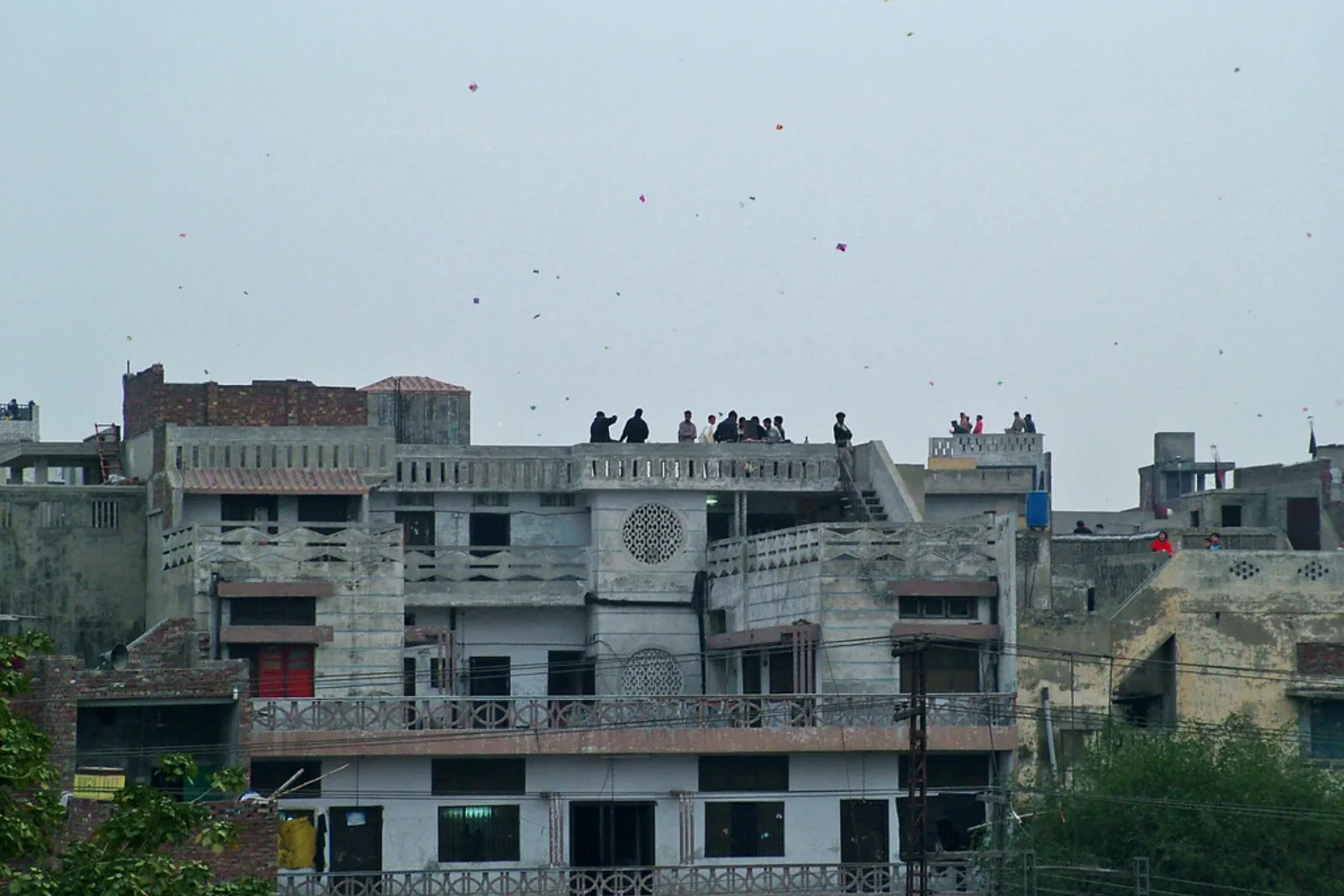
Old Lahore rooftops with people on them and kites in the sky above
Basant

Why Is Basant Celebrated in Lahore? (And Is It Really Only a Lahore Festival?)

Basant is celebrated in Lahore because the city's dense, flat-roofed old quarters made it the natural stage for Punjab's spring kite tradition — thousands of adjoining rooftops turning one festival into a city-wide aerial duel. It isn't exclusively Lahori: spring festivals exist across Punjab, but Lahore's rooftop kite culture made the festival its own, and today Punjab is the only Pakistani province with a legal framework for it.

5 min read
The Lahore Fort walls with the Badshahi Mosque behind
Basant

The History of Basant in Lahore: From Mughal Springs to the 2026 Revival

Basant is Lahore's centuries-old spring festival, its kite-flying tradition running from the Mughal era through the city's golden festival decades. Deaths from glass- and chemical-coated string brought regulations in 2005 and a provincial ban that took effect in 2007. The Punjab Regulation of Kite Flying Ordinance 2025 rebuilt it on licences and traceable kites, and Lahore flew legally again on 6–8 February 2026.

6 min read
Children flying kites over open ground in Lahore
Rules & safety

Is kite flying legal in Pakistan right now? The province-by-province answer

It depends on the province and the date. In Punjab, kite flying is legal only during the government's announced festival window and under the 2025 Ordinance's conditions — outside that window it remains prohibited, including in Lahore. In Sindh, kite flying, manufacture and sale are banned outright. Status as of late August 2026: no flying window is open anywhere in Pakistan; the next announced window is Basant 2027, 12–14 March in Lahore.

6 min read