The History of Basant in Lahore: From Mughal Springs to the 2026 Revival
Basant is Lahore's centuries-old spring festival, its kite-flying tradition running from the Mughal era through the city's golden festival decades. Deaths from glass- and chemical-coated string brought regulations in 2005 and a provincial ban that took effect in 2007. The Punjab Regulation of Kite Flying Ordinance 2025 rebuilt it on licences and traceable kites, and Lahore flew legally again on 6–8 February 2026.
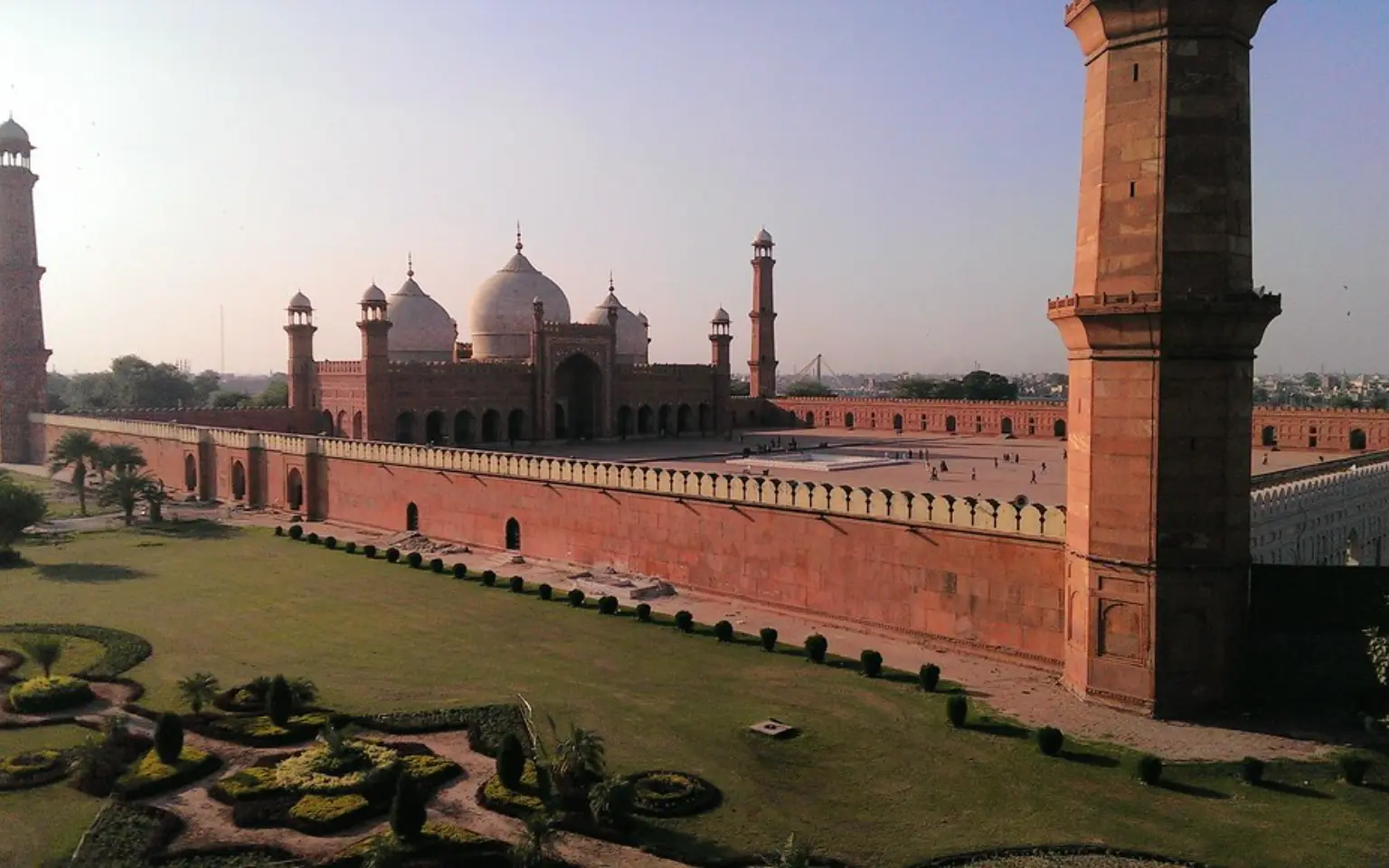
- The festival's kite tradition is centuries old and inseparable from Lahore's walled-city rooftops
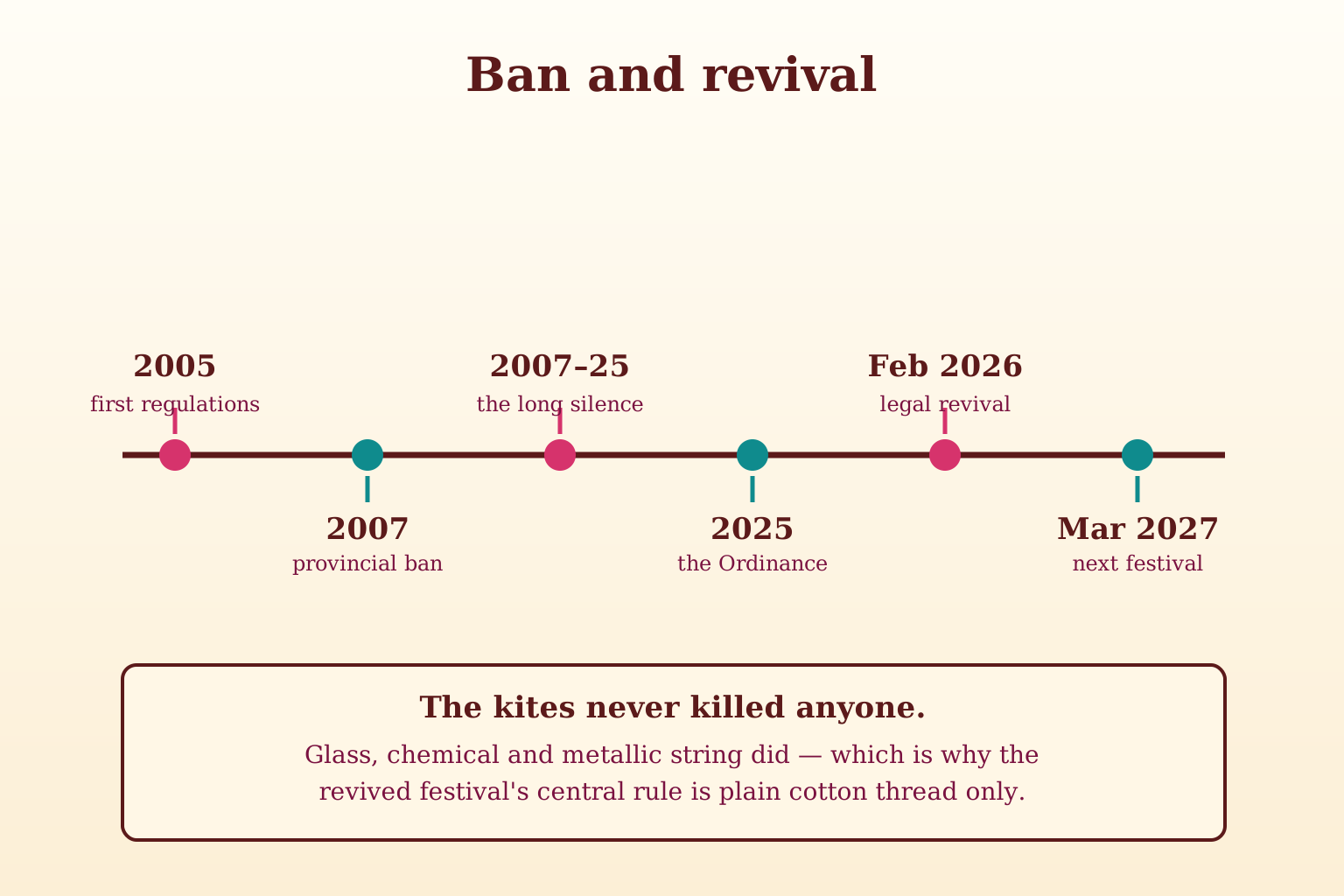
- The ban era began with 2005 regulations and a ban effective 2007 — driven by illegal-string deaths, not by kites themselves
- An entire generation grew up without a legal Basant
- The 2025 Ordinance rebuilt the festival on QR-traceable kites, licensed makers and cotton-only string
- The revival ran 6–8 February 2026; the next festival is announced for 12–14 March 2027
The history of Basant is really three histories: the centuries when spring and kites belonged together over Lahore, the eighteen years when the sky stayed empty, and the revival that put a legal framework under the tradition. All three matter if you want to understand why the festival works the way it now does — and why the rules that came back with it are treated, by those of us in the trade, as the price of having it at all. Here is the timeline, kept to what sources actually support.
Where does Basant come from?
Basant marks the arrival of spring in Punjab — the season of mustard blooming yellow across the fields — and Lahore has celebrated it with kites for centuries, a tradition documented back through the Mughal era. The festival grew up with the Walled City itself: thirteen Mughal-era gates, dense mohallas, and continuous flat rooftops that turned an entire city into one shared flying ground.
Names that anchor the tradition still anchor the trade. The lanes inside Mochi Gate — one of the old city's original gates — have housed kite makers and string sellers for generations, and the craft vocabulary the festival built (patang, gudda, tawa, pinna, bo kata) remains the working language of every kite shop in the city, ours included.
What were the golden decades like?
By the late twentieth century Basant had become Lahore's signature festival — an event that filled hotels, booked out rooftops, and drew visitors from across Pakistan and abroad. Night flying under floodlights, white kites against the dark, drums answering each cut from roof to roof: the imagery that defines the festival in public memory largely comes from these decades.
It was also an economy. Kite making supported thousands of households in the walled city and beyond, feeding a seasonal market that, at its peak, moved kites in the millions. That scale is part of the story of what went wrong.
Why was Basant banned?
Because the string turned lethal. Competitive cutting created demand for lines that won duels — first glass-coated, then chemically treated, eventually metallic wire — and those lines killed people, cutting throats of motorcyclists and bystanders and electrocuting flyers whose wire touched power lines. In the years leading up to the ban, dozens died during festival seasons.
The state responded in stages: kite-flying regulations arrived in 2005, and a provincial ban took effect in 2007. What had been the city's proudest weekend became a policing problem, and the festival disappeared from public life — held that way for eighteen years, long enough that a full generation of Lahoris grew up never having flown legally.
One clarification this site will always make: the kites never killed anyone. Paper and bamboo on plain cotton was never the problem. The ban was the cost of illegal string — a distinction that explains the entire design of the revival.
How did the festival come back?
Through law rather than nostalgia. The Punjab Regulation of Kite Flying Ordinance 2025 rebuilt Basant as a regulated event: manufacturing confined to four approved districts, registered sellers, a government QR sticker tracing every legal kite to its licensed maker, thread-based cotton string only, adult-only flying, and a festival window announced by the government rather than assumed by the calendar.
The revival ran 6–8 February 2026, and the city answered emphatically — rooftops booked solid, historic havelis full, the trade reborn in the walled city's lanes. Kite makers who had spent years in other work described the festival's return as their craft coming back to life.
The revival also carried a hard lesson forward: seventeen deaths during the 2026 festival, most from rooftop falls, put the event under court scrutiny and produced a stricter rooftop-safety framework for 2027. The history's plainest through-line is that Basant survives exactly as long as its rules are kept.
Where does the history stand now?
At its next chapter: Basant 2027, announced for 12–14 March in Lahore, with new rooftop rules taking effect by the end of December 2026 and the trade waiting on the season's manufacturing and sale permits. The festival that once ran on habit now runs on notifications — and for a tradition that spent eighteen years banned, that trade-off reads differently than it might elsewhere.
We keep the running status — every announcement, permit and rule — on our Basant 2027 page, and the festival's near-history in numbers in our Basant 2026 review.
Frequently asked questions
How old is the Basant festival?
Centuries old — its kite-flying tradition in Lahore is documented back through the Mughal period, and the spring festival itself is older than any precise dating supports. Claims of an exact founding year should be treated as folklore.
When exactly was kite flying banned in Lahore?
Regulations came in 2005 and the provincial ban took effect in 2007. The 2026 revival was the first legal festival since — an eighteen-year gap.
Was Basant banned because of the kites?
No — because of illegal string. Glass-coated, chemical and metallic lines caused the deaths that forced the ban, which is why the revived festival's central rule is plain cotton thread only.
Is Basant celebrated outside Lahore?
Spring festivals exist across Punjab and South Asia, but the rooftop kite festival in its full form is Lahore's — and in Pakistan it is only lawful where Punjab's framework permits it. Sindh bans kite flying entirely.
Who revived Basant?
The Punjab government, through the 2025 Ordinance and the regulated 2026 festival. The court-supervised aftermath of 2026 is shaping how the 2027 edition will run.
Fly the next chapter properly
The respectful way to inherit this history is to fly it legally: verified kites, cotton pinna, a compliant roof. We stock exactly that — QR-stickered kites and legal string, reservable now at no cost and delivered once the 2027 sale window opens. The tradition took eighteen years to get back; flying it right is how it stays.
Written by M/S SpeedX Kites, a registered kite seller in Lahore (Reg No. 38731-28012026). If anything here is out of date or wrong, tell us on WhatsApp and we will correct it.
More on basant
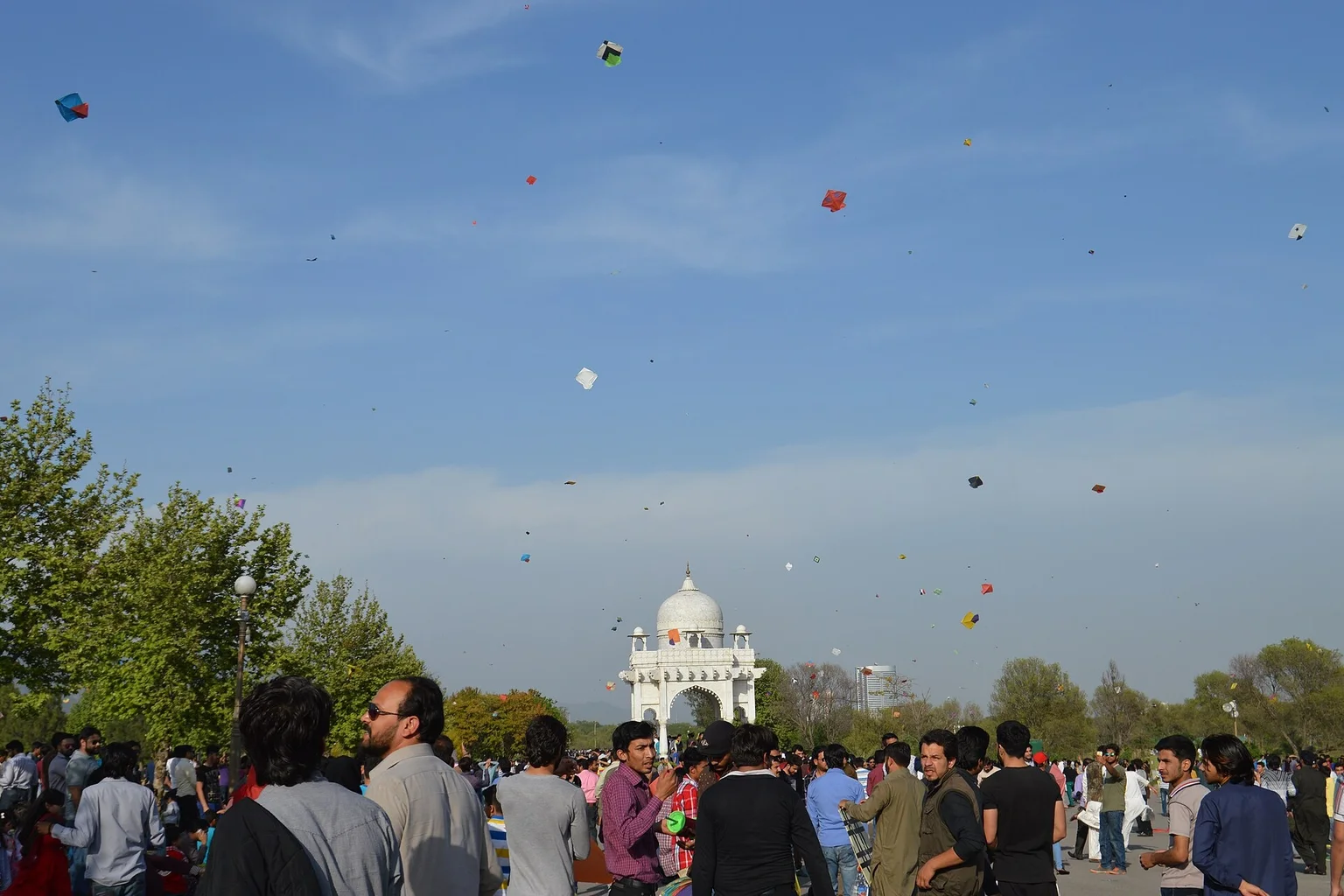
Basant 2026 in numbers: Rs 1.5 billion, three days, seventeen deaths
Basant 2026 ran 6–8 February, the first legal festival since 2007. The Kite Flying Association put the trade surge at Rs 1.5 billion. Seventeen people died and more than a hundred accidents were recorded. Both figures matter for 2027.
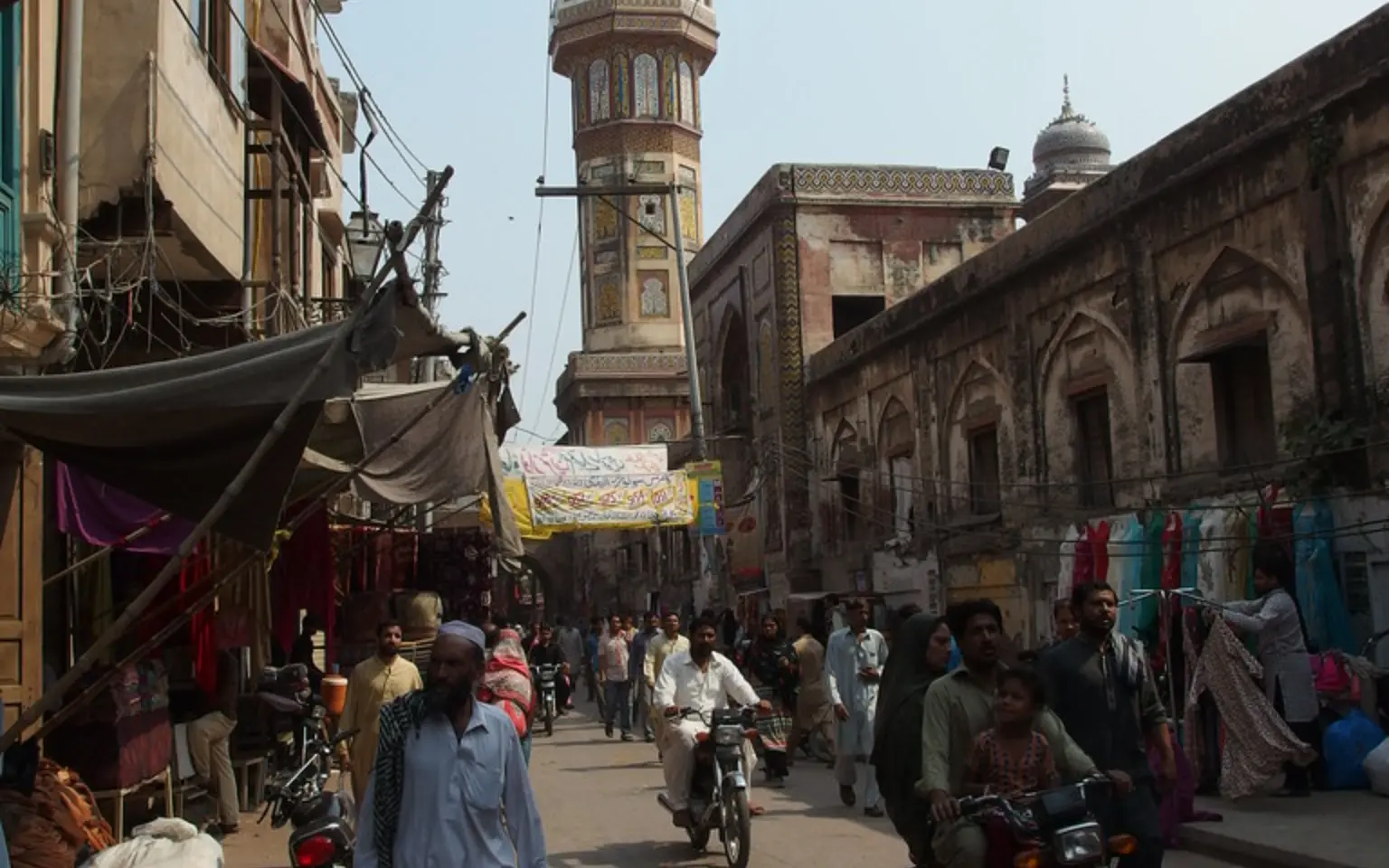
How to register for Basant 2027: licences, forms and the portal, explained
Ordinary kite flyers do not need a personal licence — registration is for kite manufacturers, sellers and kite-flying clubs, and it runs through the e-Biz app and basant.punjab.gov.pk. Registration for Basant 2027 has not opened yet: the dates (12–14 March 2027) are announced, but the government has not yet started the 2027 registration cycle. This page tracks it.