Lahore's Kite Markets: Mochi Gate and Where the Trade Actually Lives
Lahore's kite trade lives in the Walled City, with the lanes inside Mochi Gate its most storied address — narrow streets of kite makers and string sellers working a craft generations old. The market is seasonal by law now: stalls fill when a festival's production and sale windows open and thin out after. Off-season, the legitimate trade runs on registrations and reservations rather than open shelves.
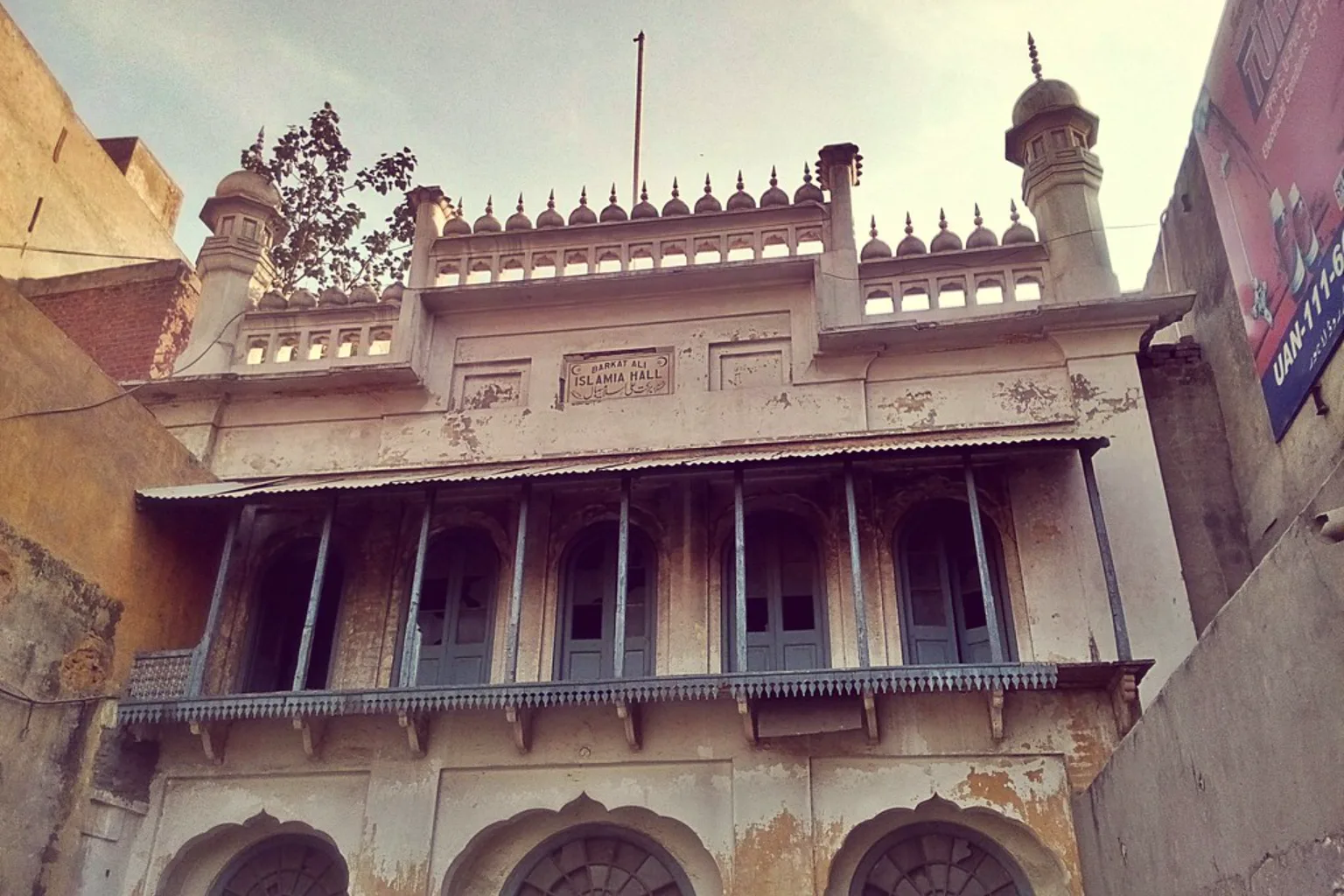
- Mochi Gate — one of the Walled City's 13 Mughal-era gates — anchors the traditional kite quarter
- The 2026 revival refilled the lanes: makers returned to a craft the ban had nearly ended
- The market is now legally seasonal: open shelves belong to the permitted windows
- Season timing: 2026's retail ran just one week, and the lanes emptied of stock before it closed
- Market and online buying are complements — atmosphere and inspection there, reservation and certainty here
Ask where to find the kite market in Lahore and you'll be pointed at a gate — Mochi Gate — and behind it, a web of lanes where the festival's supply chain has lived for generations. It's a real place worth the visit, and it's also widely misunderstood since the revival: the market the law rebuilt doesn't run year-round shelves anymore. Here's the honest guide — history, timing, what you'll find, and how market and online buying actually fit together — from a registered Lahore seller with relationships on both sides of the counter.
What is Mochi Gate, and why is it the kite address?
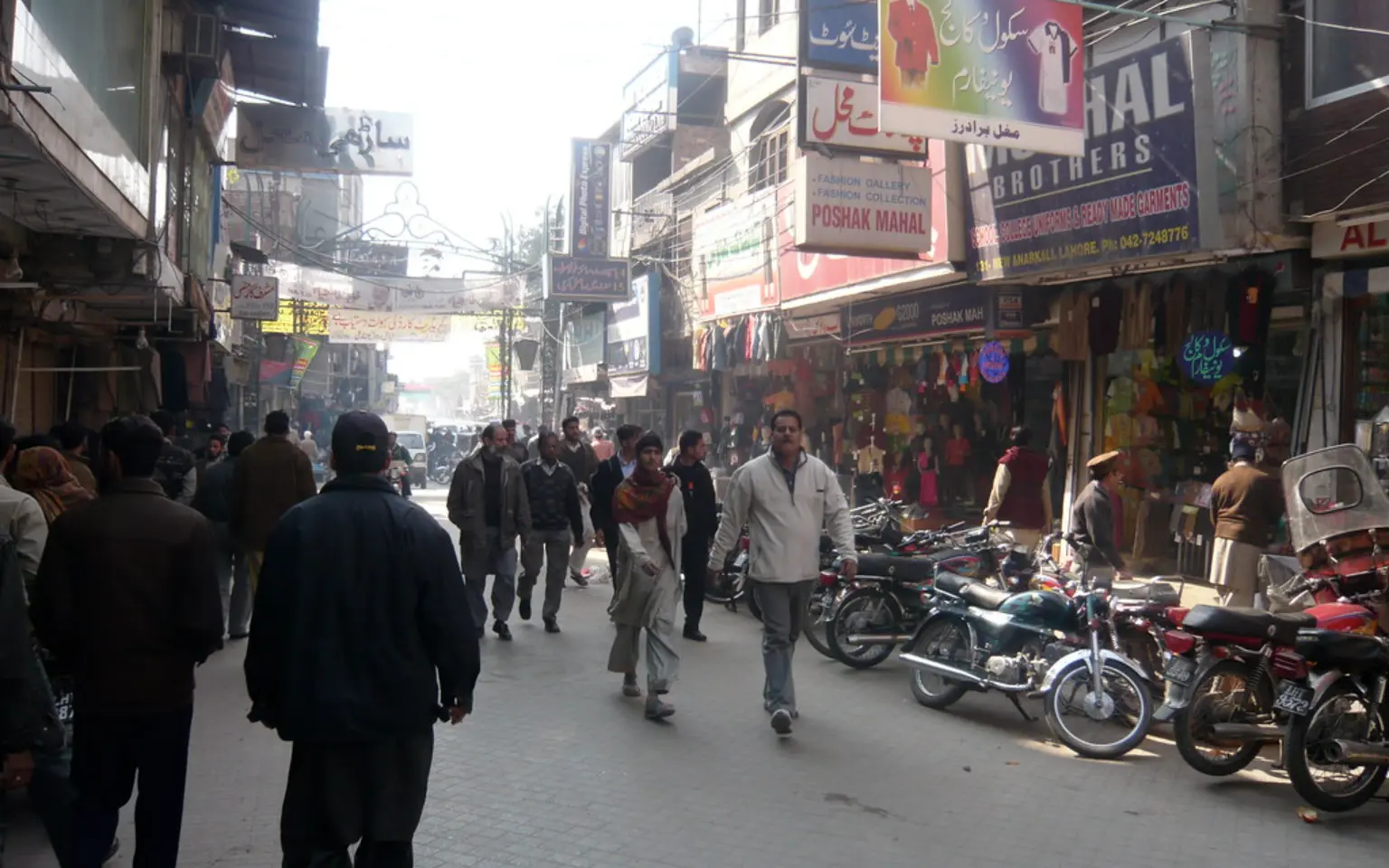
One of the thirteen historic gates of Lahore's Walled City, Mughal-era in origin, opening into dense mohallas that became home to the city's craft trades — kite making prominent among them. The narrow, bustling lanes inside the gate housing kite shops are the trade's living archive: paper, bamboo, winding and the festival vocabulary all concentrated in a few hundred metres.
The address earned its fame the practical way — for generations, if you wanted kites made properly or string wound properly, this is where both happened.
What happened to the market during the ban and the revival?
The ban years hollowed it out: no legal festival meant no legal season, and makers whose livelihoods nearly vanished drifted to other work while the craft aged in place. The 2026 revival reversed it almost overnight — the historic quarter bustling again, stalls through the city, the festival economy visibly reborn, with visitors coming for the lanes themselves as much as the stock.
What came back wasn't the old free-for-all, though — and that's the part every market guide needs to say plainly.
When does the kite market actually have kites?
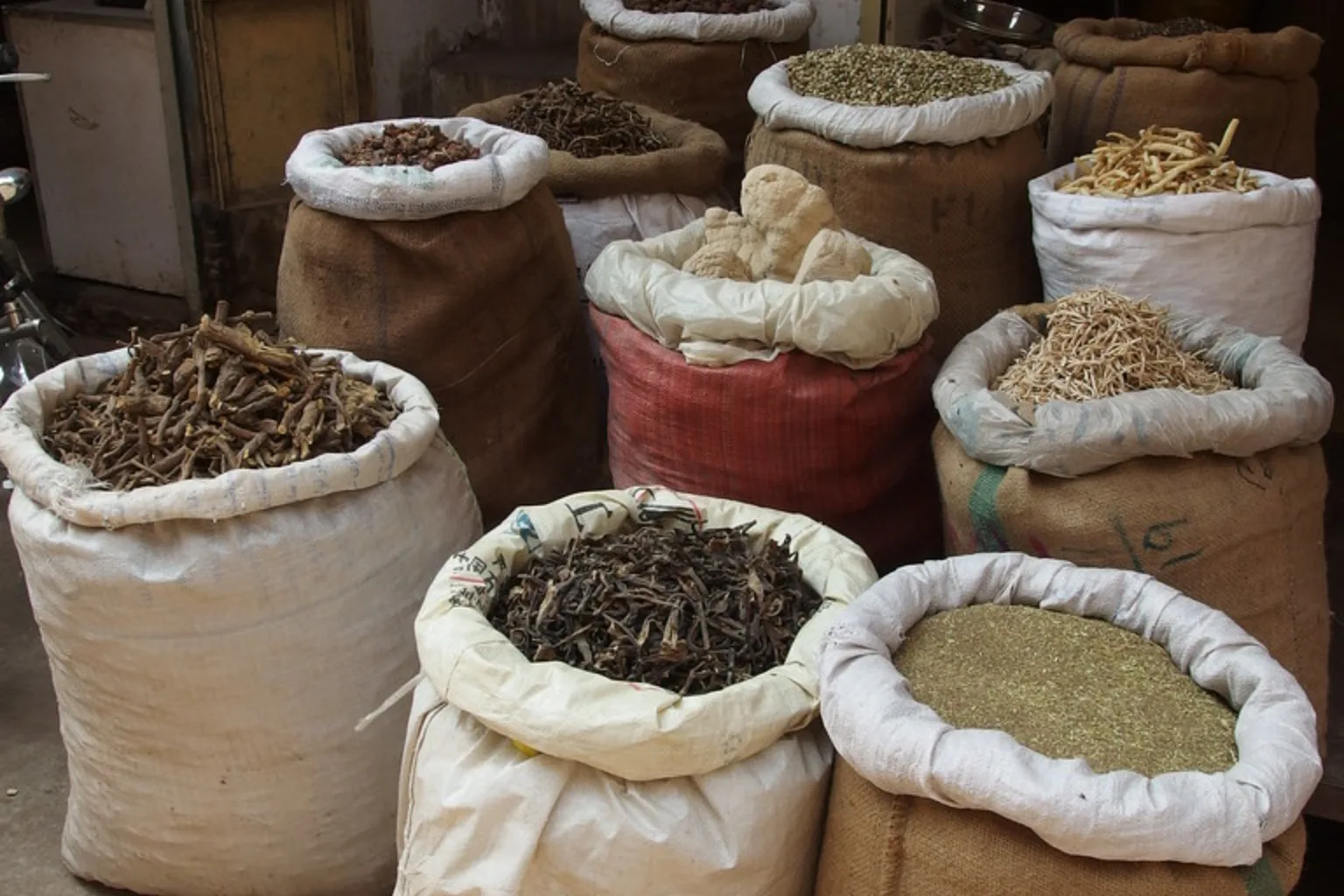
When the law does. The revived trade runs on windows: 2026 permitted production from 30 December and retail sale only from 1–8 February — one shopping week for the whole city, which is why the lanes ran out of famous names before the festival even peaked. Off-season, legitimate shops hold registrations, take reservations and wait for the next notification; open stacks of kites in July belong to a different kind of seller.
For 2027, the production permits are still pending — so the market's next full bloom has no date yet. When it opens, expect the compressed-window economics again: crowds, thinning stock, climbing prices.
Market or online — which should you use?
Both, for what each does best.
Go to the market for the atmosphere and the education: seeing grades side by side, feeling paper and cane, watching string wound, buying the visit itself. In season, inside the window, it's one of Lahore's great errands — and the zone rules plus crowd realities are part of the experience.
Use a registered online seller for certainty: stock reserved months before the window, prices locked against the late-season climb, delivery to your door with the QR chain intact — and no gamble on what's left in the lanes by the time you get there. That's the half we built SpeedX Kites to do.
The 2026 lesson says use them in that order: reserve what your rooftop *needs*, then let the market visit add what it *wants*.
Frequently asked questions
Where is the kite market in Lahore?
The traditional heart is inside Mochi Gate in the Walled City, with seasonal stalls spreading citywide when a festival window opens.
Is the kite market open now?
Shelf trade follows the legal windows — outside them, legitimate shops take reservations rather than hand over stock. The 2027 window isn't open yet.
Is Mochi Gate worth visiting outside Basant season?
Absolutely — the lanes, food and walled-city fabric reward any visit. Just go for the place, not for a July kite purchase.
Are market kites cheaper than online?
Sometimes, early in the window; rarely by the end, when scarcity prices the lanes. Either way, the same checks apply — registration and QR verification don't care where the counter is.
Can I buy dor at Mochi Gate?
In season, from registered stalls, yes — with the sticker and yardage checks from our dor price guide applied on the spot.
Love the lanes, plan like a local
The market is the festival's soul; the reservation is its safety net. Book your kites and pinna with us now — free, or price-locked with half down — and when the lanes fill in March, walk them for the joy instead of the scramble.
Written by M/S SpeedX Kites, a registered kite seller in Lahore (Reg No. 38731-28012026). If anything here is out of date or wrong, tell us on WhatsApp and we will correct it.
More on lahore kite culture
Basant Dress: Why the Whole City Wears Yellow, and What People Actually Wear on the Roof
Yellow is Basant's colour because the festival celebrates spring, when Punjab's mustard fields turn the countryside gold — wearing basanti (yellow) mirrors the season itself. On the rooftops that translates to yellow shalwar kameez and dupattas, often with fresh flowers, worn with practical shoes for a day spent flying, feeding and chasing kites.
Night Kite Flying at Basant: White Kites, Floodlights, and What the Rules Now Allow
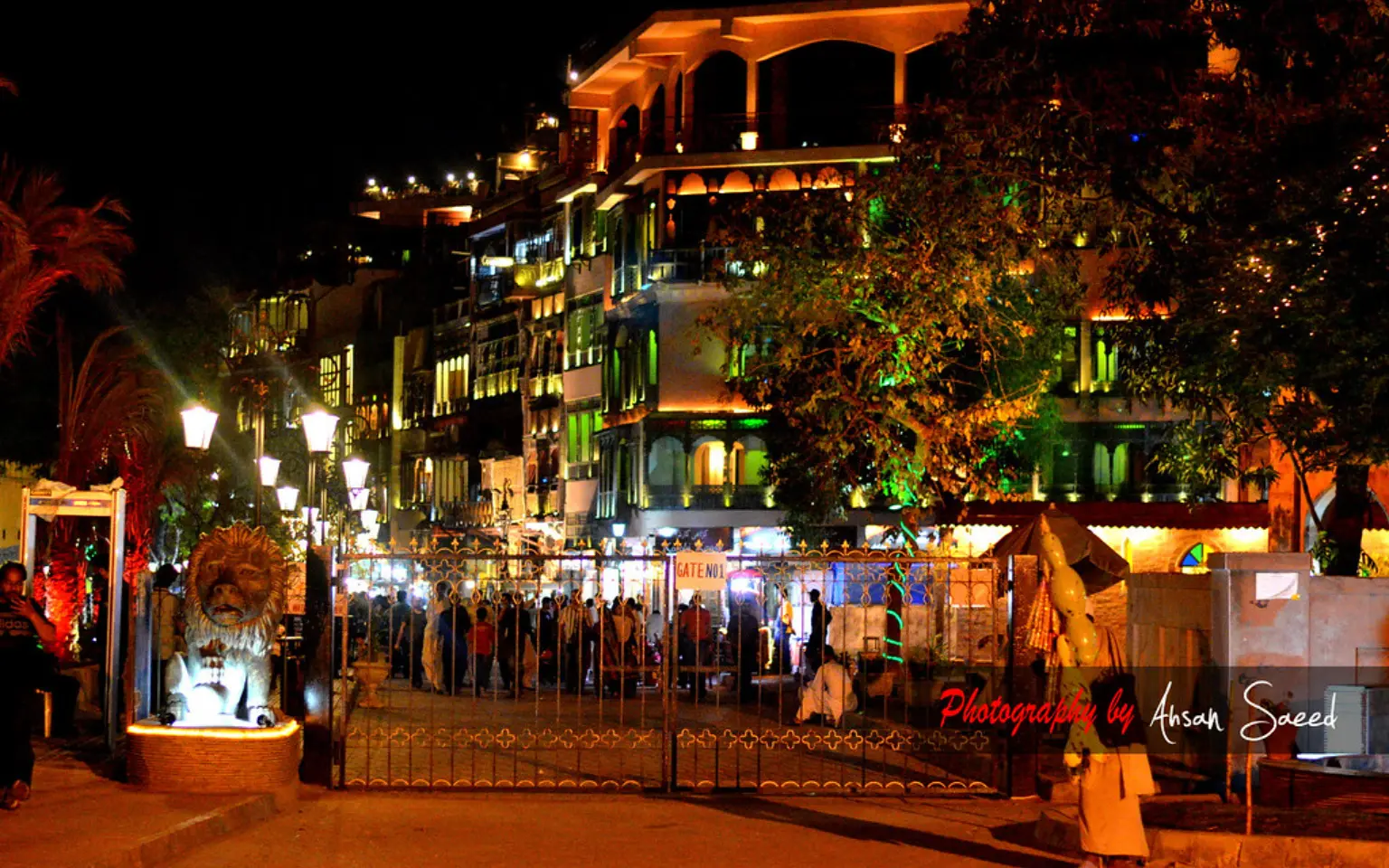
Night flying is Basant's oldest signature — the festival traditionally opens with white kites flown after dark, chosen because white stays visible against the night sky, from floodlit rooftops around the Walled City. The tradition returned with the 2026 revival and continues under the current rules: same legal equipment and adult-only lines as daytime, with the 2027 framework's noise limits (no DJs or high-decibel systems) and rooftop safety rules applying at full force after dark.