Basant Dress: Why the Whole City Wears Yellow, and What People Actually Wear on the Roof
Yellow is Basant's colour because the festival celebrates spring, when Punjab's mustard fields turn the countryside gold — wearing basanti (yellow) mirrors the season itself. On the rooftops that translates to yellow shalwar kameez and dupattas, often with fresh flowers, worn with practical shoes for a day spent flying, feeding and chasing kites.
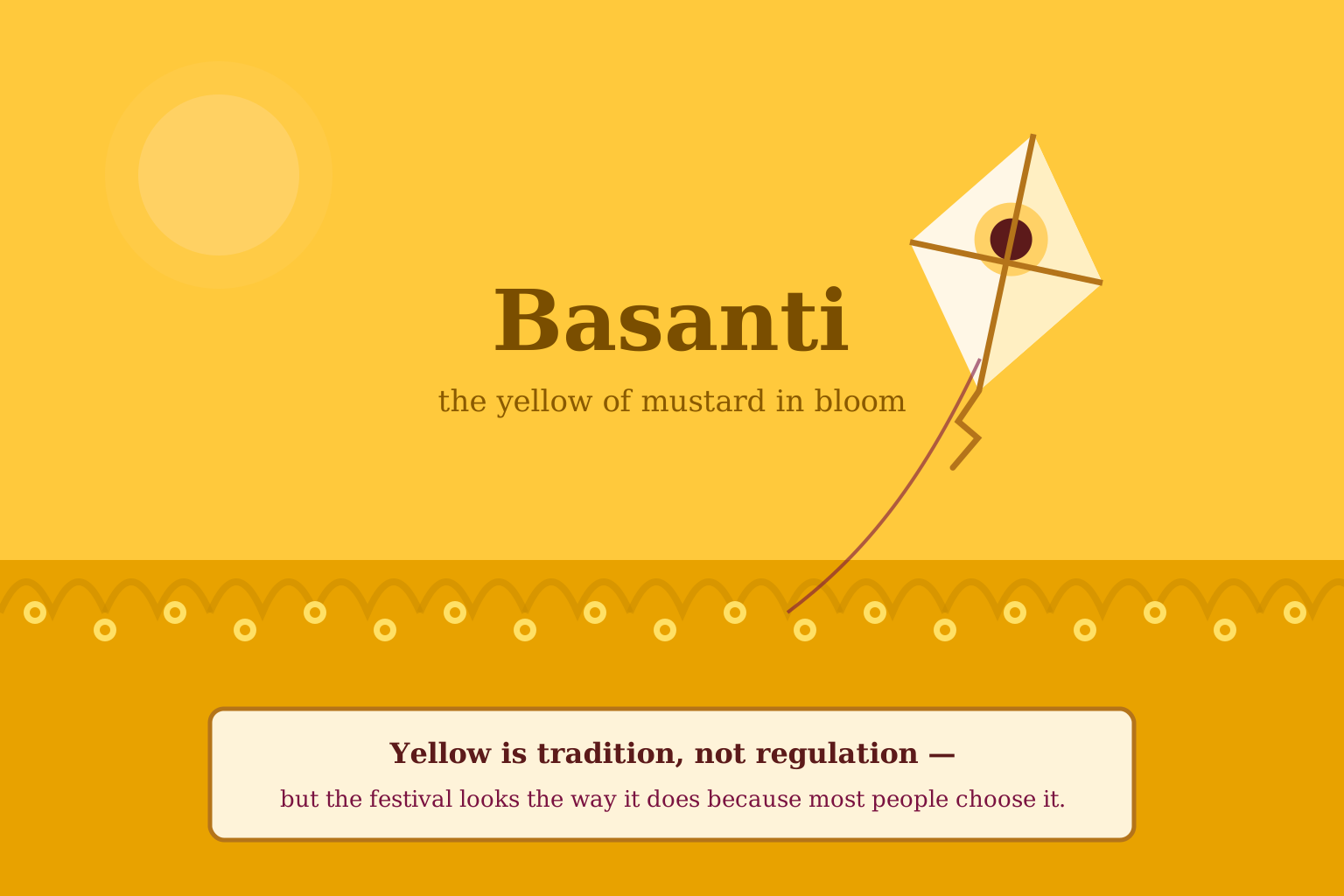
- Yellow (basanti) mirrors the mustard bloom that announces spring in Punjab
- Women's festival dress in 2026 leaned on yellow-and-white outfits with floral jewellery
- Men wear anything from yellow kurtas to a simple yellow dupatta or turban over everyday clothes
- Dress practically: rooftops mean sun, wind, movement and string
- The colour is tradition, not a rule — nobody checks your outfit at the stairs
Search "basant dress" in the run-up to the festival and you'll find two different questions hiding in one phrase: what's the tradition, and what should I actually put on? Both deserve straight answers. The tradition is one of the most photogenic things about Lahore's festival — a whole city colour-coordinated with the season — and the practical answer matters because a rooftop flying day is harder on an outfit than a dinner party. Here's both, from the SpeedX Kites team's front-row seat on the season.
Why is yellow the colour of Basant?
Because the land itself turns yellow. Basant celebrates spring's arrival, and in rural Punjab that arrival is announced by mustard fields in full golden bloom. Dressing in basanti — the yellow named for the festival — is the city keeping time with the countryside, a tradition woven through every account of the festival's celebrations.
The colour saturates everything, not just clothes: marigold garlands, yellow rice at family tables, yellow dupattas on rooftops from the Walled City to the newest suburbs. When the 2026 revival came, the yellow came back with it as if it had never left.
What do women wear for Basant?
The classic is a yellow shalwar kameez or yellow-and-white combination, and 2026's rooftops showed exactly that: women in traditional yellow and white outfits, often paired with floral jewellery — fresh-flower gajras and earrings in place of metal, matching the season's mood.
Within the yellow theme, the range is wide: printed lawn for daytime sun, heavier fabrics for the night sessions, a plain outfit with a saffron dupatta doing all the work. The only real principle is the one the festival sets — yellow somewhere, spring everywhere.
What do men wear for Basant?
Everything from full basanti kurtas to jeans-and-tshirt with a yellow scarf thrown over the shoulder. Traditional dressers go kurta shalwar in yellow or white-with-yellow; plenty of flyers just add a yellow cap, turban or dupatta to normal clothes and call the tradition served.
If you're the one on the line all day, dress for the job first: sleeves you can push up, shoes with grip, nothing that catches string. Fashion is for the rooftop's spectators; the flyer's outfit is equipment.
What actually works for a full rooftop day?
- Layers. A festival day runs from cool morning to hot afternoon to cold night — March in Lahore swings from mid-teens lows to around 30°C highs.
- Closed, grippy shoes. Rooftops mean movement, and the new safety rules mean staying clear of edges — good footing is part of that.
- Nothing that snags line. Loose scarf ends and dangling jewellery find kite string the way string finds them.
- Sun protection. You will look up for hours. A cap beats regret.
- A pocket for tape and a blade-free trimmer if you're managing lines — small kit, big convenience.
The point isn't to dress down the festival — it's that the best-dressed rooftop is one where nobody has to leave at 3pm because of sunburn or slippery sandals.
Frequently asked questions
Do you have to wear yellow on Basant?
No — it's tradition, not regulation. But the festival photographs the way it does because most people choose to, and joining the colour is half the fun.
What is basanti colour?
The yellow named for the festival itself — the shade of Punjab's mustard bloom. Anything from soft haldi tones to full marigold counts.
What should kids wear to Basant?
Yellow if they like, but practical above all: closed shoes and clothes for running, because chasing cut kites is the children's half of the festival. Under-18s don't fly — the line stays in adult hands under the rules.
What do people wear for night kite flying?
Warm layers over the day's yellow — Lahore's festival nights get genuinely cold — and the white kites take over the colour duty against the dark sky.
Sort the sky before the outfit
The dress code sorts itself out the morning of; the kites don't. Reserve your rooftop's gudda, patang and pinna now — free, or price-locked with half down — and everything arrives once the sale window opens. The full range is here, and if you're building a first-timer's setup, our what-is-Basant guide pairs well with it.
Written by M/S SpeedX Kites, a registered kite seller in Lahore (Reg No. 38731-28012026). If anything here is out of date or wrong, tell us on WhatsApp and we will correct it.
More on lahore kite culture
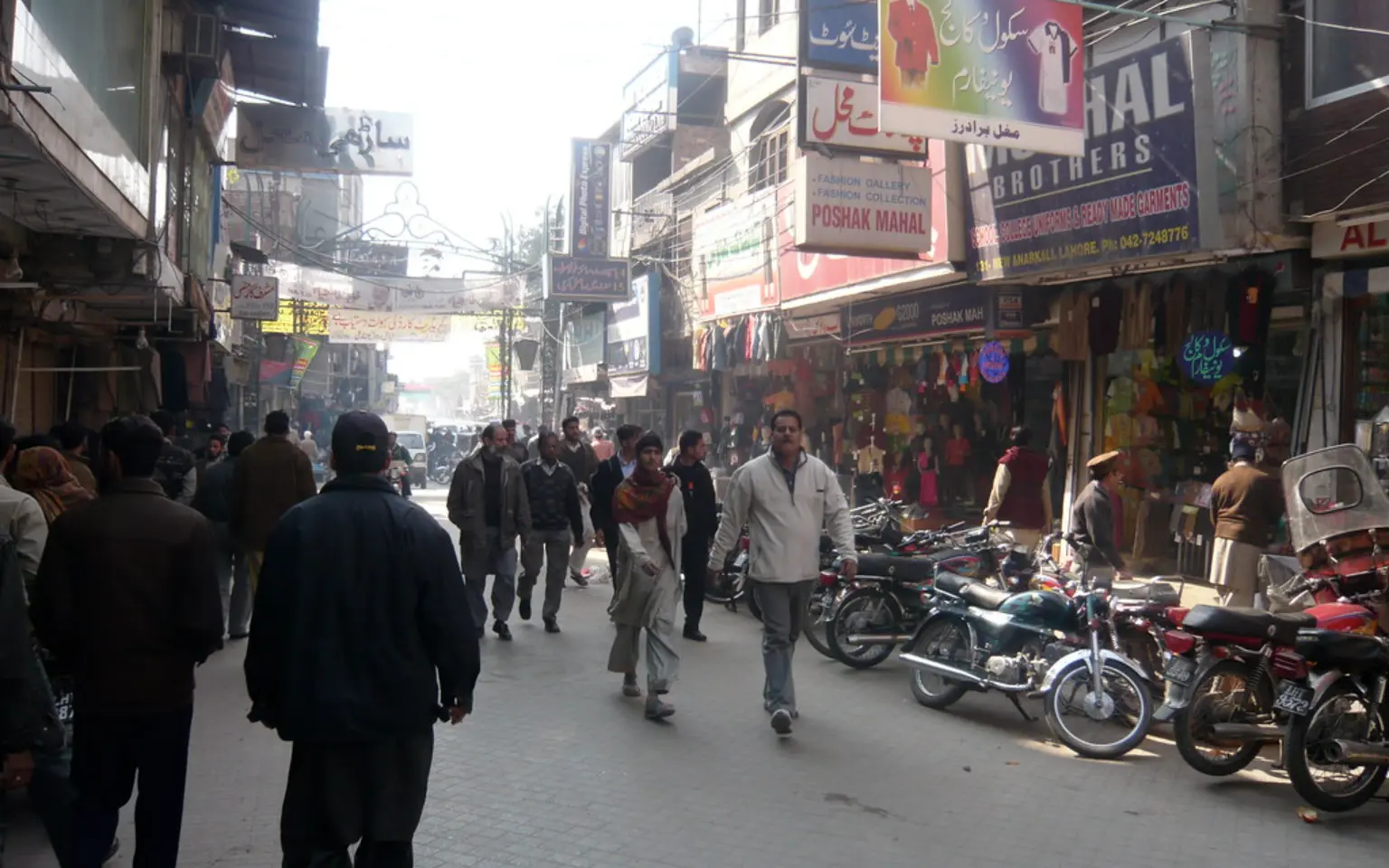
Lahore's Kite Markets: Mochi Gate and Where the Trade Actually Lives
Lahore's kite trade lives in the Walled City, with the lanes inside Mochi Gate its most storied address — narrow streets of kite makers and string sellers working a craft generations old. The market is seasonal by law now: stalls fill when a festival's production and sale windows open and thin out after. Off-season, the legitimate trade runs on registrations and reservations rather than open shelves.
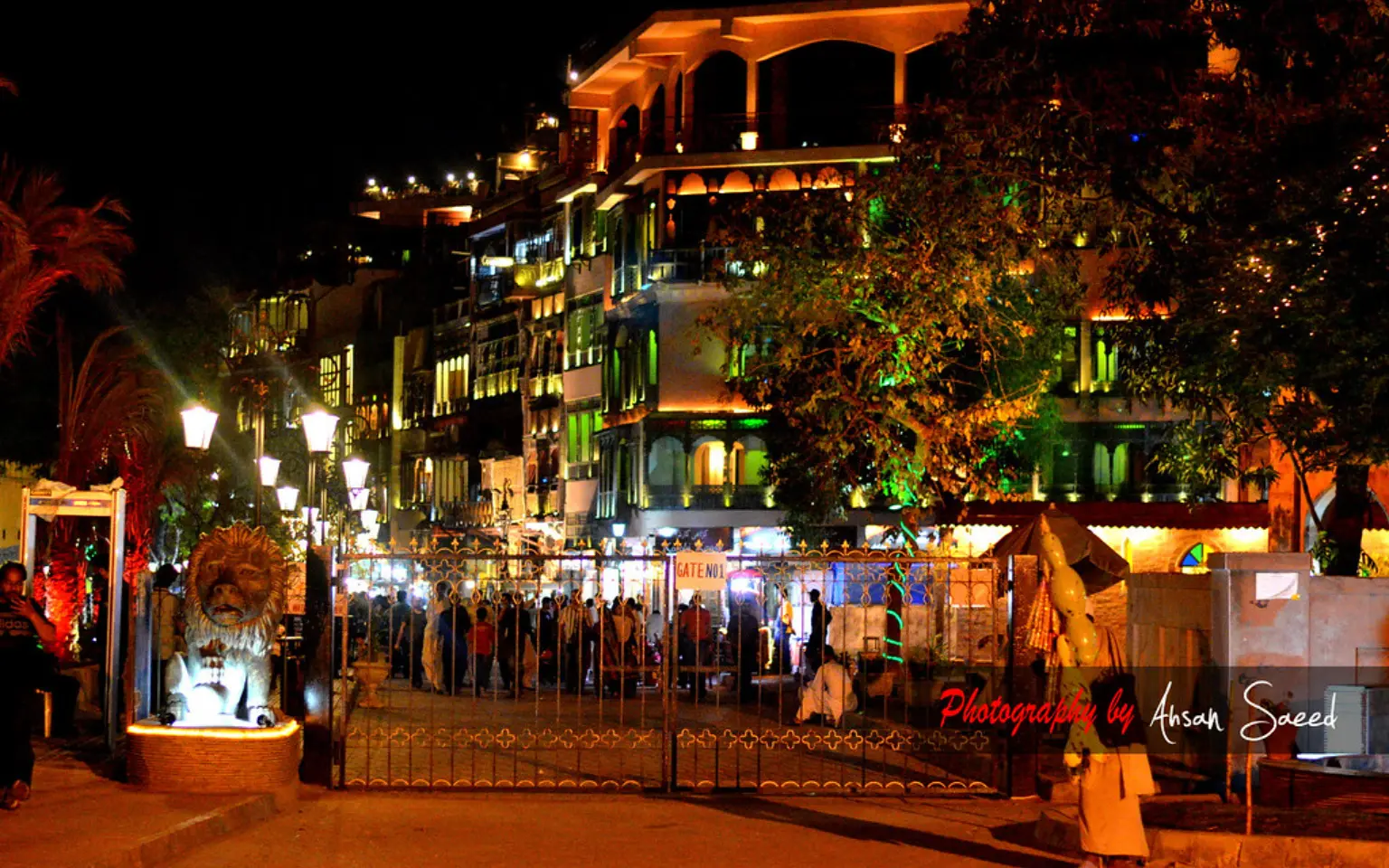
Night Kite Flying at Basant: White Kites, Floodlights, and What the Rules Now Allow
Night flying is Basant's oldest signature — the festival traditionally opens with white kites flown after dark, chosen because white stays visible against the night sky, from floodlit rooftops around the Walled City. The tradition returned with the 2026 revival and continues under the current rules: same legal equipment and adult-only lines as daytime, with the 2027 framework's noise limits (no DJs or high-decibel systems) and rooftop safety rules applying at full force after dark.