Skip to content

Pre-bookings only — nothing ships until sale is permitted

Kite flying is legal in Punjab only during the announced festival window. Until the government permits sale for Basant 2027, we take reservations only: reserve free and pay the market rate on delivery day, or pay 50% now to lock today's price. Nothing ships before sale is permitted.

How pre-booking works

Registered seller · Reg No. 38731-28012026

QR-verified stock · Legal cotton pinna only · Free to pre-book

Lahore kite culture

Mochi Gate, Shah Alam and the markets where the trade has always happened.

6 guides

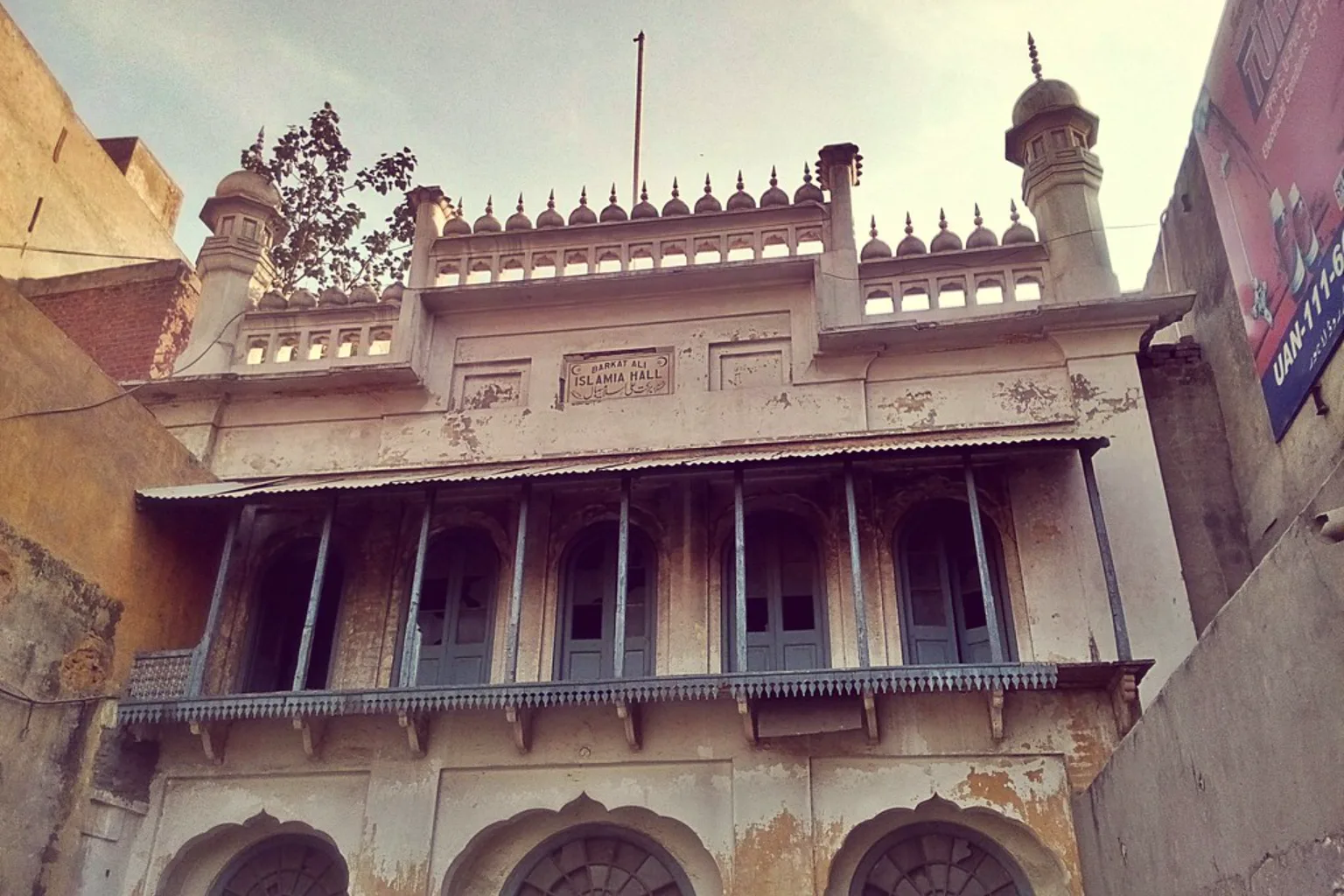
The carved balcony facade of an old haveli near Mochi Gate, Lahore
Lahore kite culture

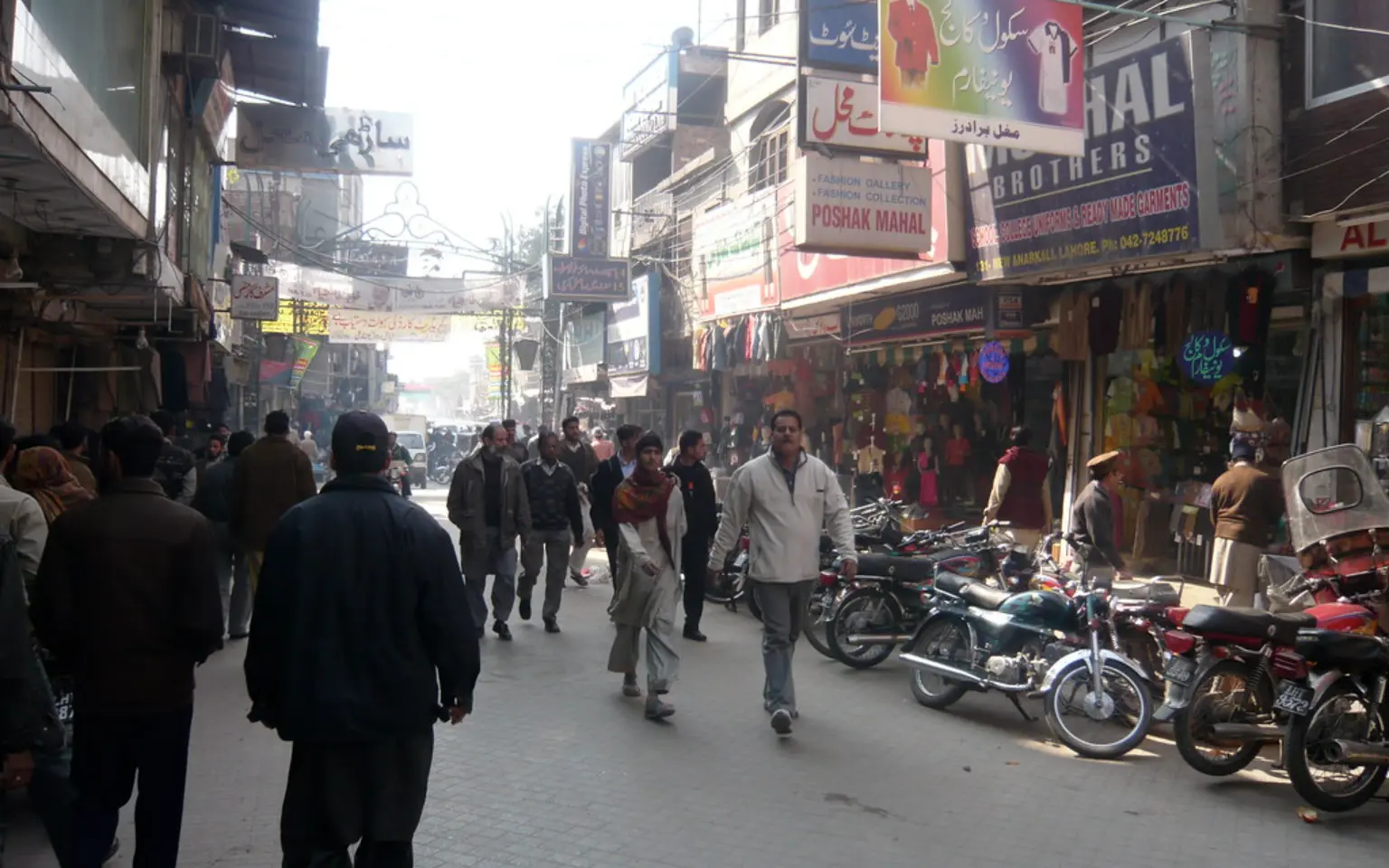
Lahore's Kite Markets: Mochi Gate and Where the Trade Actually Lives

Lahore's kite trade lives in the Walled City, with the lanes inside Mochi Gate its most storied address — narrow streets of kite makers and string sellers working a craft generations old. The market is seasonal by law now: stalls fill when a festival's production and sale windows open and thin out after. Off-season, the legitimate trade runs on registrations and reservations rather than open shelves.

5 min read
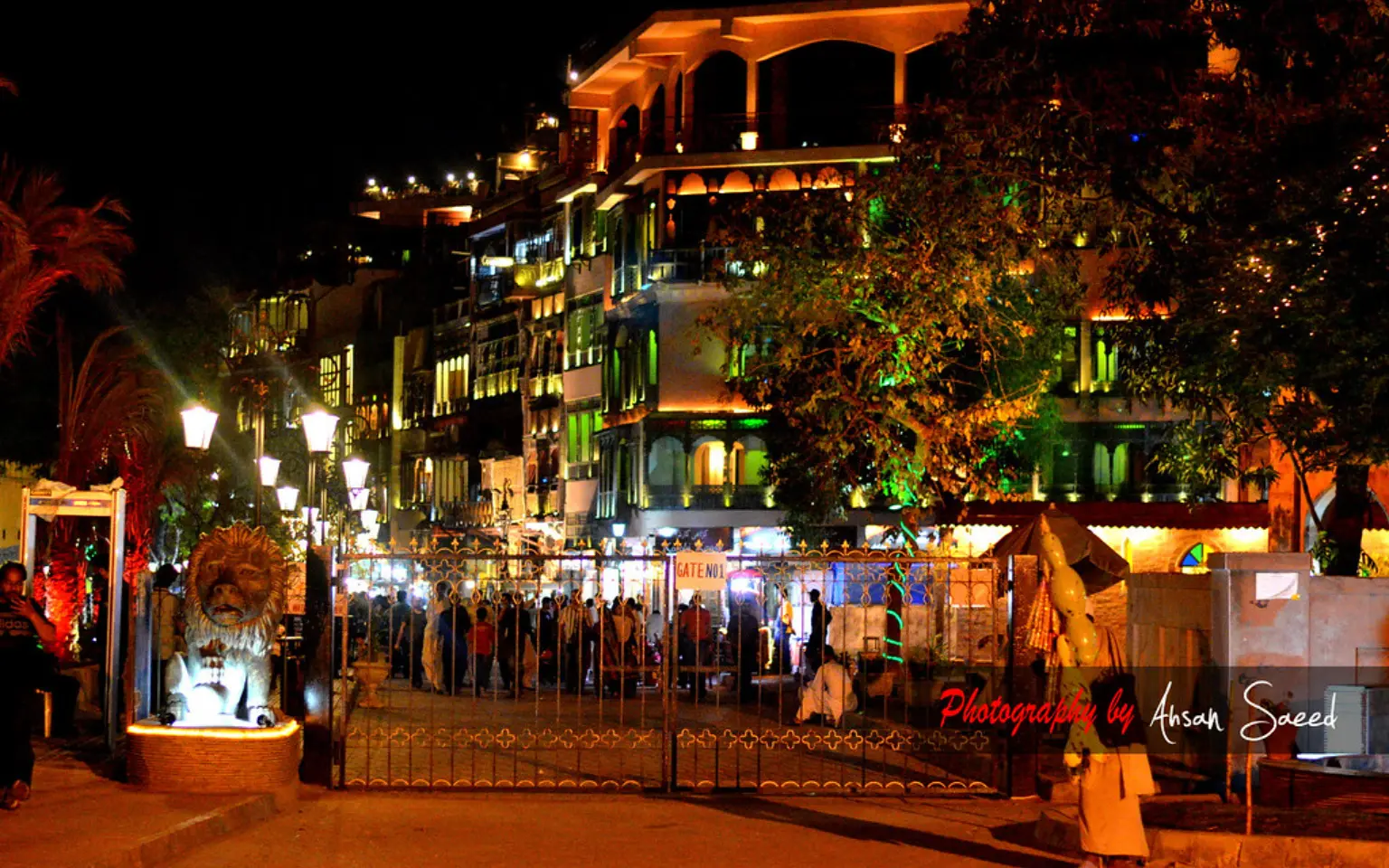
Lahore's food street lit up at night
Lahore kite culture

Night Kite Flying at Basant: White Kites, Floodlights, and What the Rules Now Allow

Night flying is Basant's oldest signature — the festival traditionally opens with white kites flown after dark, chosen because white stays visible against the night sky, from floodlit rooftops around the Walled City. The tradition returned with the 2026 revival and continues under the current rules: same legal equipment and adult-only lines as daytime, with the 2027 framework's noise limits (no DJs or high-decibel systems) and rooftop safety rules applying at full force after dark.

5 min read
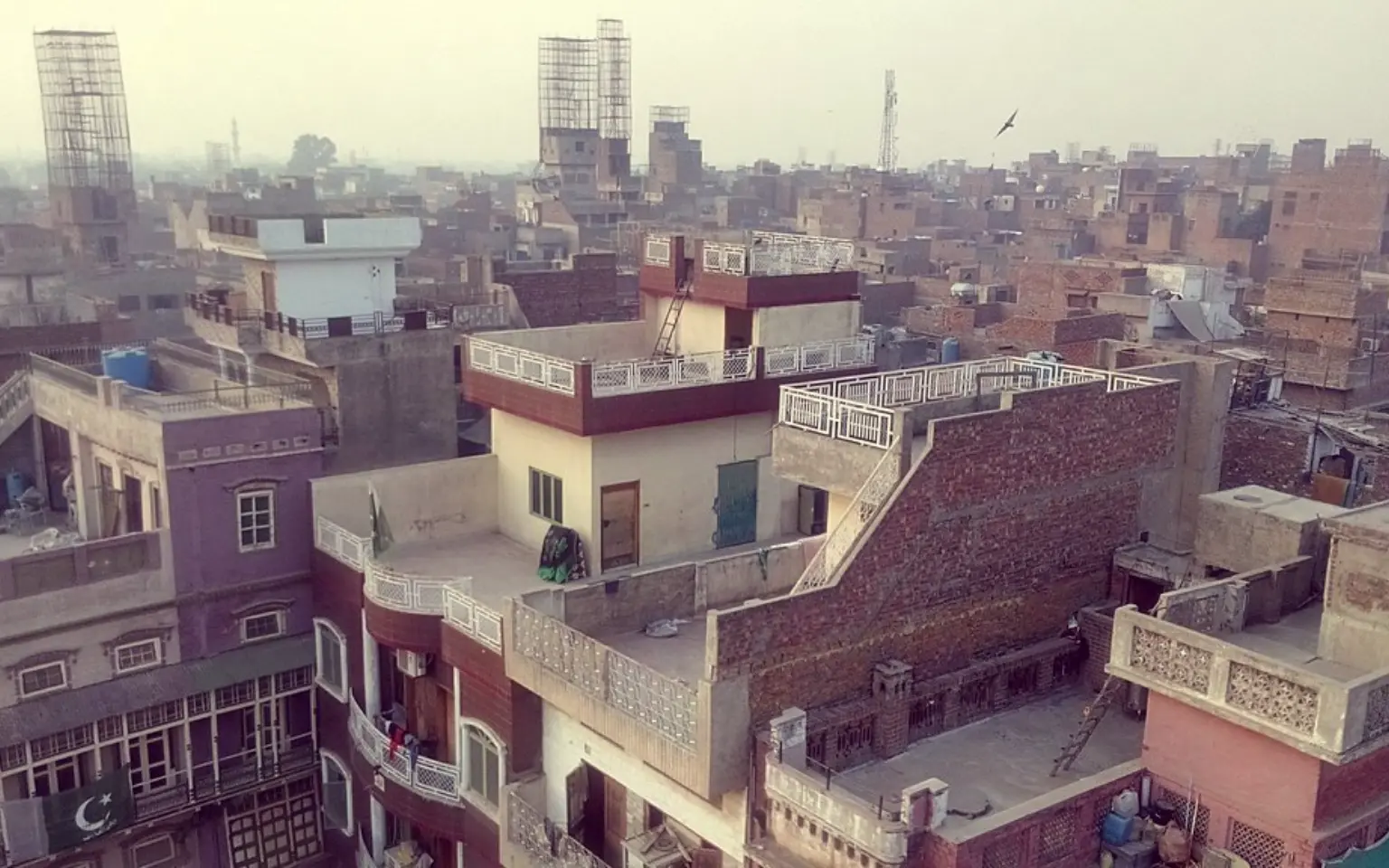
Packed rooftops of Lahore's walled city seen from Mori Gate
Lahore kite culture

Bo Kata: The Victory Cry, Where It Comes From, and How a Kite Cut Actually Happens

"Bo kata!" is the triumphant cry of Lahore's kite duels — roughly "it's been cut!" — shouted the instant your line severs an opponent's and their kite drifts free. Behind the cry is the pecha: two crossed lines sawing under tension until one gives. The cut is won by line quality, angle and tension control; the cry is won by the whole rooftop, at volume, with the dhol answering.

5 min read
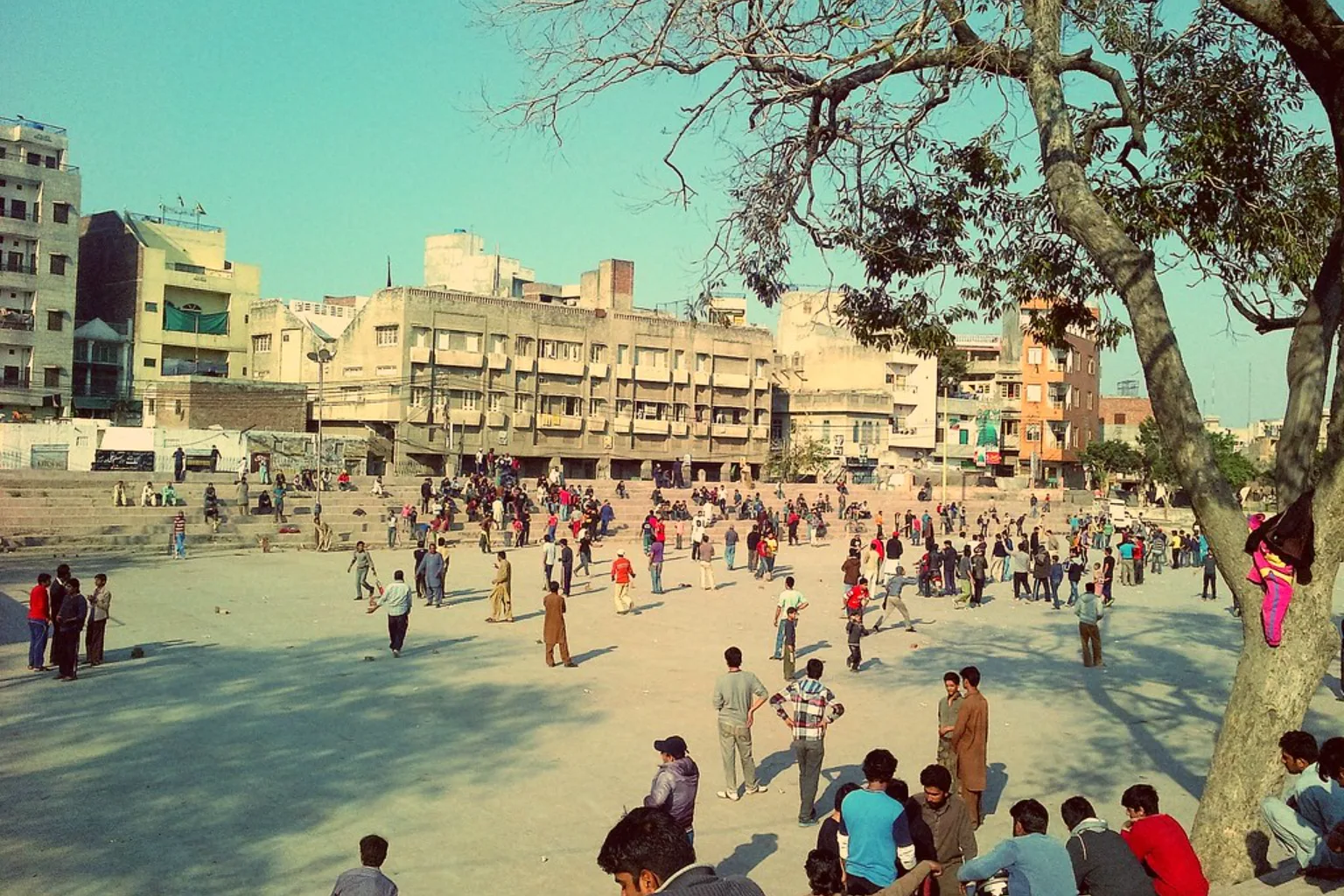
A crowd gathered on the open ground inside Mochi Gate, Lahore
Lahore kite culture

Patang Bazi in Lahore: The Culture That Outlived Its Own Ban

Patang bazi — literally "kite play" — is the whole culture around competitive kite flying in Lahore: the duels and their vocabulary, the craft of makers and winders, the rooftop seasons, and the generational handing-down of technique. It's bigger than Basant (the festival is its peak, not its whole) and proved bigger than the ban: eighteen prohibited years thinned it but couldn't erase it, and the 2026 revival showed the culture intact.

4 min read
A Lahore street food stall cooking on the pavement
Lahore kite culture

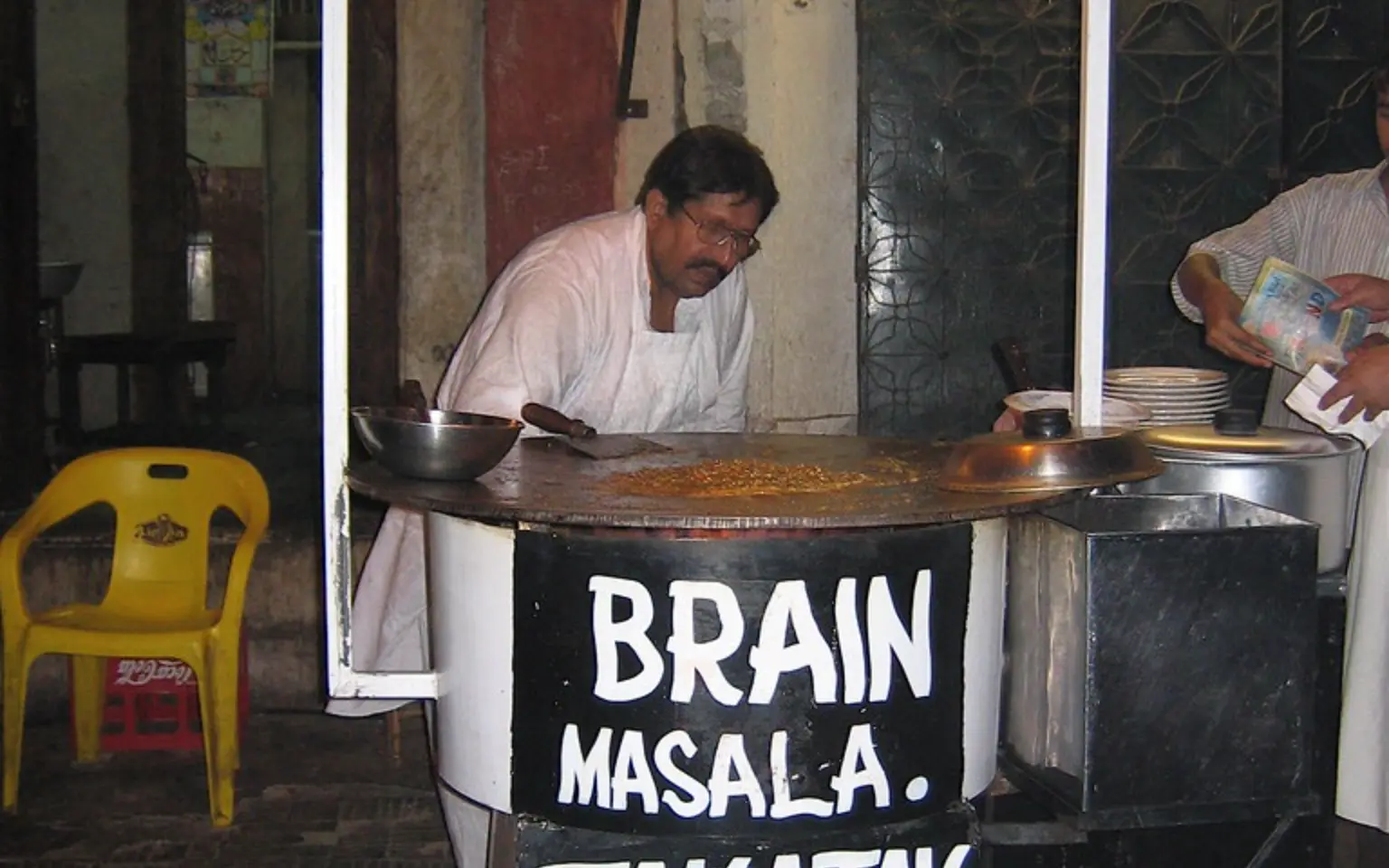
What Lahore Eats at Basant: The Rooftop Menu, Documented Properly

Basant runs on food the way it runs on wind. The 2026 revival's rooftop menus were documented in delicious detail: barbecue and broast, malai boti and mutton tikka, hareesa, fish, phulkiyan-style fry-ups, ladoos and dry fruit — with hosts running separate day and night spreads for parties that never really stopped. The tradition's rule is abundance with local anchors: walled-city classics beside the grill, yellow sweets for the season.

4 min read