What Lahore Eats at Basant: The Rooftop Menu, Documented Properly
Basant runs on food the way it runs on wind. The 2026 revival's rooftop menus were documented in delicious detail: barbecue and broast, malai boti and mutton tikka, hareesa, fish, phulkiyan-style fry-ups, ladoos and dry fruit — with hosts running separate day and night spreads for parties that never really stopped. The tradition's rule is abundance with local anchors: walled-city classics beside the grill, yellow sweets for the season.
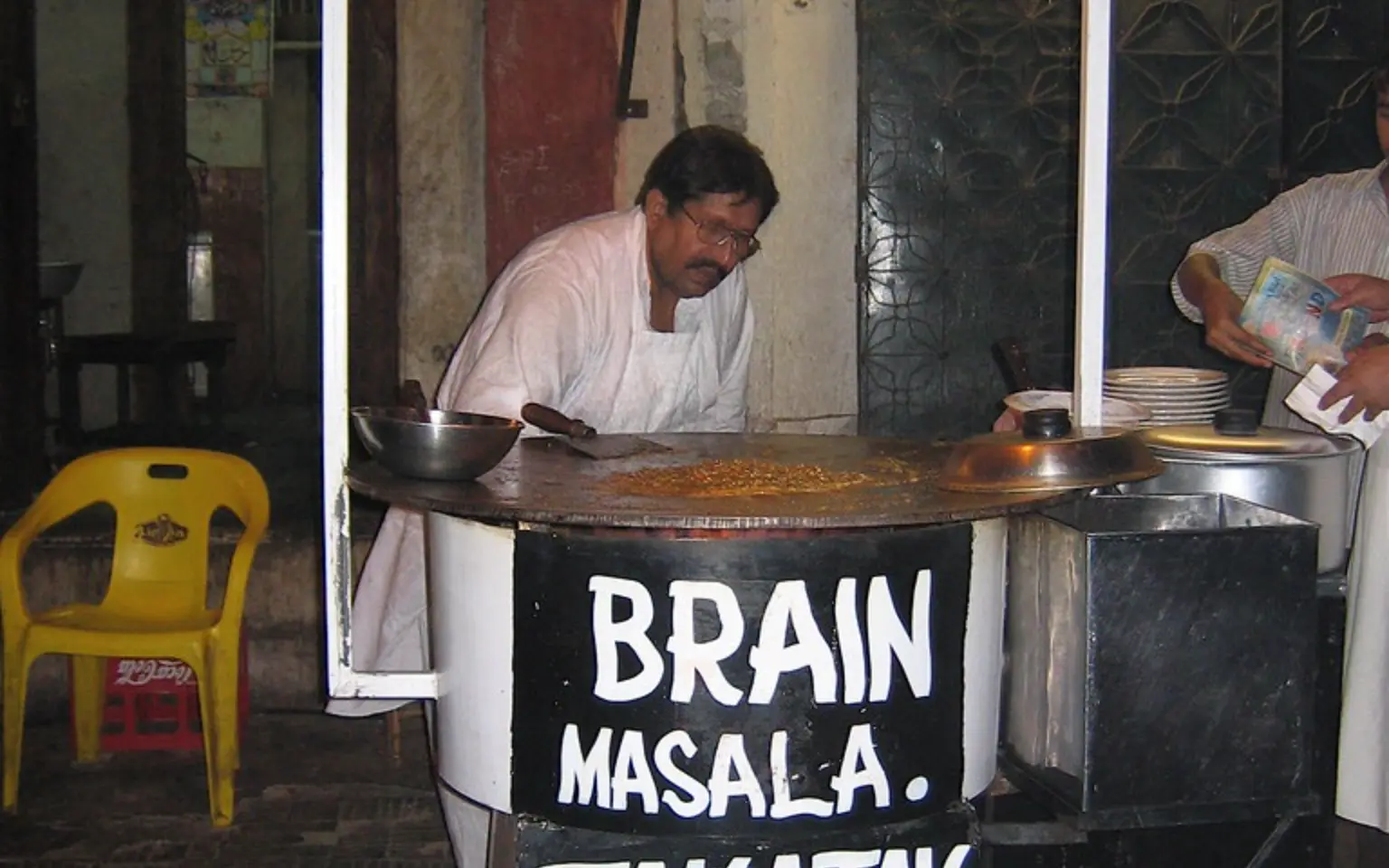
- 2026's documented rooftop menus: barbecue, broast, malai boti, mutton tikka, hareesa, fish, ladoos, fruit and dry fruit
- Big hosts ran separate day and night menus — the festival eats in shifts
- The walled-city food heritage (kebabs, Das Kulcha, the sweet houses) feeds the festival's home quarter
- Yellow sweets — ladoos, zarda-style rice — carry the season's colour to the table
- Host math: plan for grazing across ten hours, not one seated meal
Every account of Basant eventually stops describing kites and starts describing food — because the festival is, functionally, Lahore's biggest simultaneous rooftop dinner party. The 2026 revival gave us something new: journalists actually documenting the menus. So this is the food page — what the rooftops genuinely served, the traditions underneath the spread, and the host's planning math — from a kite shop that gets invited upstairs a lot in March.
What was actually on the 2026 rooftop menus?
The revival's hosts went formal about it. Coverage of the booked-out havelis recorded separate day and night menus featuring barbecue, broast, malai boti, "pak gosht", mutton tikka, phutore, hareesa, fish, ladoos, and fruit and dry fruit for the guests — catering built for parties running noon into the small hours.
The structure matters as much as the dishes: day food is grill-and-graze (things eaten one-handed while a pecha develops), night food is the sit-down (hareesa and the heavier pots arriving when the white kites go up and the dhol slows). The festival eats in shifts because it flies in shifts.
What are the traditional anchors under the spread?
Three layers older than any caterer:
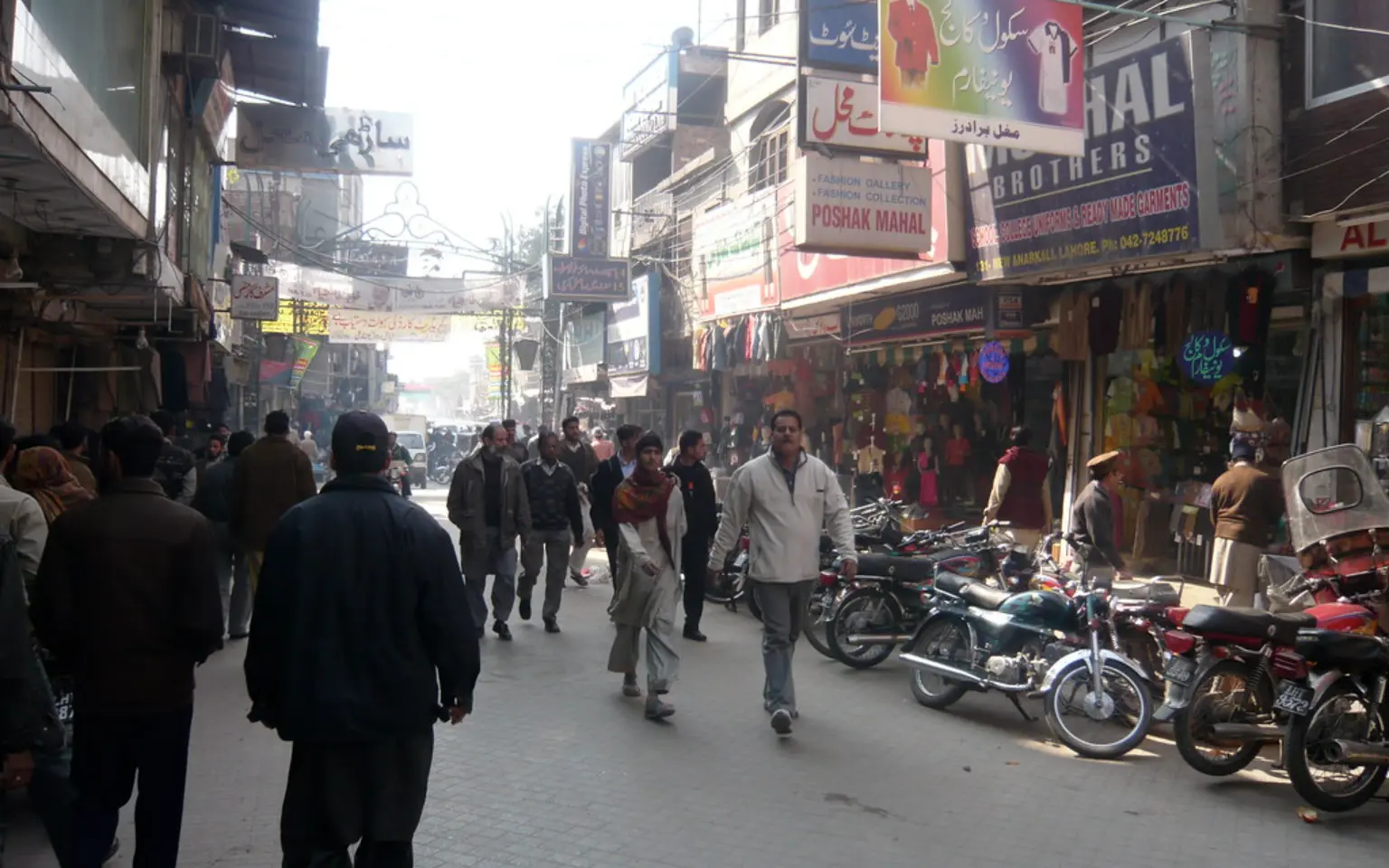
The walled-city table. The festival's home quarter is one of Lahore's great food districts — the lanes around the kite trade serve famous kebabs, the decades-old Das Kulcha breakfast, and celebrated sweet houses — so festival food in the old city means stepping downstairs, not ordering in. A Mochi Gate visit in season is a food trip wearing a kite errand.
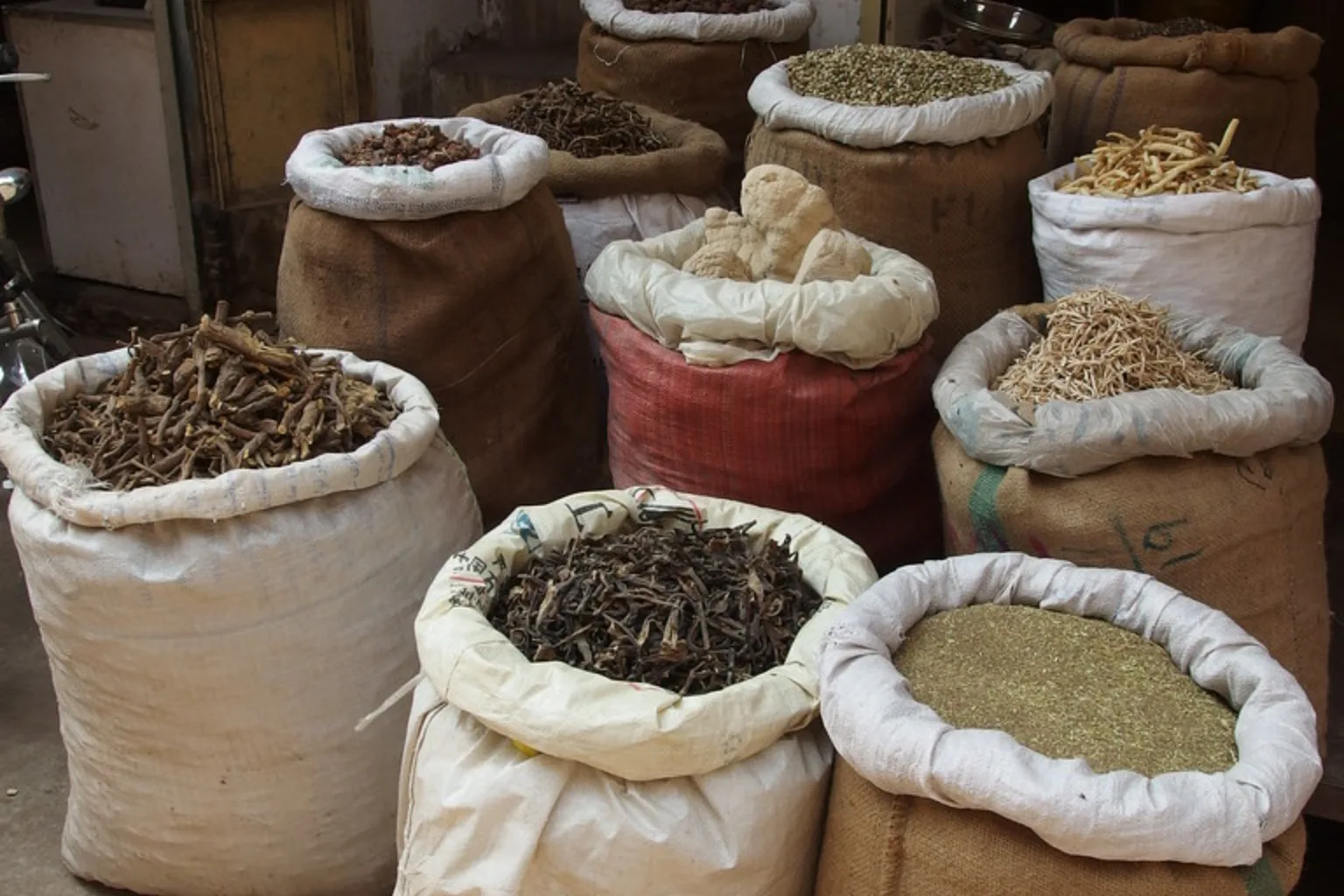
The yellow table. The season's colour reaches the menu: ladoos glowing basanti, zarda-style sweet rice, marigold-adjacent everything — the edible version of the dress tradition.
The barbecue line. The grill is the modern festival's engine room — skewers matching the day's rhythm, scaling from family batch to haveli banquet without changing character.
How much food does a rooftop actually need?
The host's math, learned the hard way every season:
- Plan grazing hours, not meals — figure each guest eats across 8–10 rooftop hours; three distinct waves (midday, sunset, late) beats one giant spread.
- One-handed food wins daylight — flyers don't sit; skewers, samosas and fruit circulate, biryani waits for night.
- Hydration outdraws expectation — sun, shouting and March's ~30°C afternoons empty water and lassi faster than any host predicts.
- Sweets are the currency of visiting — neighbouring rooftops trade plates as social protocol; over-stock ladoos deliberately.
- The kit shares the roof with the food — keep the first-aid box visible beside the water station, per the rules and per sense.
Frequently asked questions
What food is Basant famous for?
The rooftop spread: barbecue and tikka lines, hareesa and heavy night pots, and the yellow sweets — ladoos above all — that carry the season's colour.
Why yellow food at Basant?
Same reason as the clothes: basant means spring, spring means mustard bloom, and the festival dresses everything — people, kites, dessert — in the season's gold.
What do people eat during night kite flying?
The heavier table: hareesa, pots and sit-down dishes, served when the white-kite sessions calm the roof and appetites arrive properly.
Do hosts cater or cook for Basant?
Both — 2026's big havelis ran professional day/night catering, while family roofs cook in waves. The constant is abundance; the method is scale.
What's the one food mistake Basant hosts make?
Planning one meal for a ten-hour party. The roof grazes all day; cook for the clock, not the table.
Feed the roof, fly the sky
Basant hosting is two supply chains — the kitchen's and ours — and only one of them can be reserved in August. Book the kites and pinna now, free or price-locked, and spend the festival's run-up arguing about the menu, which is half the fun anyway.
Written by M/S SpeedX Kites, a registered kite seller in Lahore (Reg No. 38731-28012026). If anything here is out of date or wrong, tell us on WhatsApp and we will correct it.
More on lahore kite culture
Basant Dress: Why the Whole City Wears Yellow, and What People Actually Wear on the Roof
Yellow is Basant's colour because the festival celebrates spring, when Punjab's mustard fields turn the countryside gold — wearing basanti (yellow) mirrors the season itself. On the rooftops that translates to yellow shalwar kameez and dupattas, often with fresh flowers, worn with practical shoes for a day spent flying, feeding and chasing kites.
Lahore's Kite Markets: Mochi Gate and Where the Trade Actually Lives
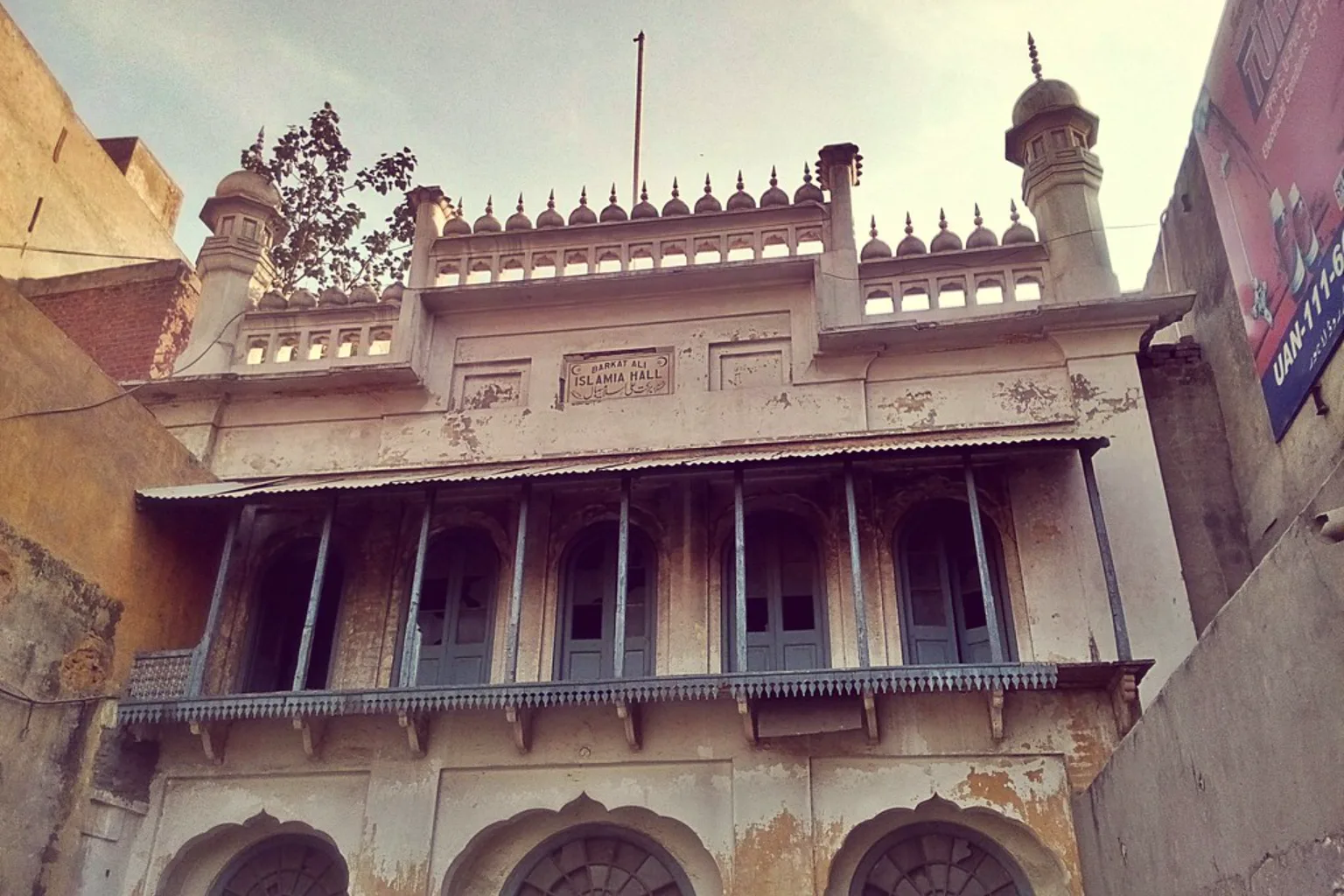
Lahore's kite trade lives in the Walled City, with the lanes inside Mochi Gate its most storied address — narrow streets of kite makers and string sellers working a craft generations old. The market is seasonal by law now: stalls fill when a festival's production and sale windows open and thin out after. Off-season, the legitimate trade runs on registrations and reservations rather than open shelves.