Patang Bazi in Lahore: The Culture That Outlived Its Own Ban
Patang bazi — literally "kite play" — is the whole culture around competitive kite flying in Lahore: the duels and their vocabulary, the craft of makers and winders, the rooftop seasons, and the generational handing-down of technique. It's bigger than Basant (the festival is its peak, not its whole) and proved bigger than the ban: eighteen prohibited years thinned it but couldn't erase it, and the 2026 revival showed the culture intact.
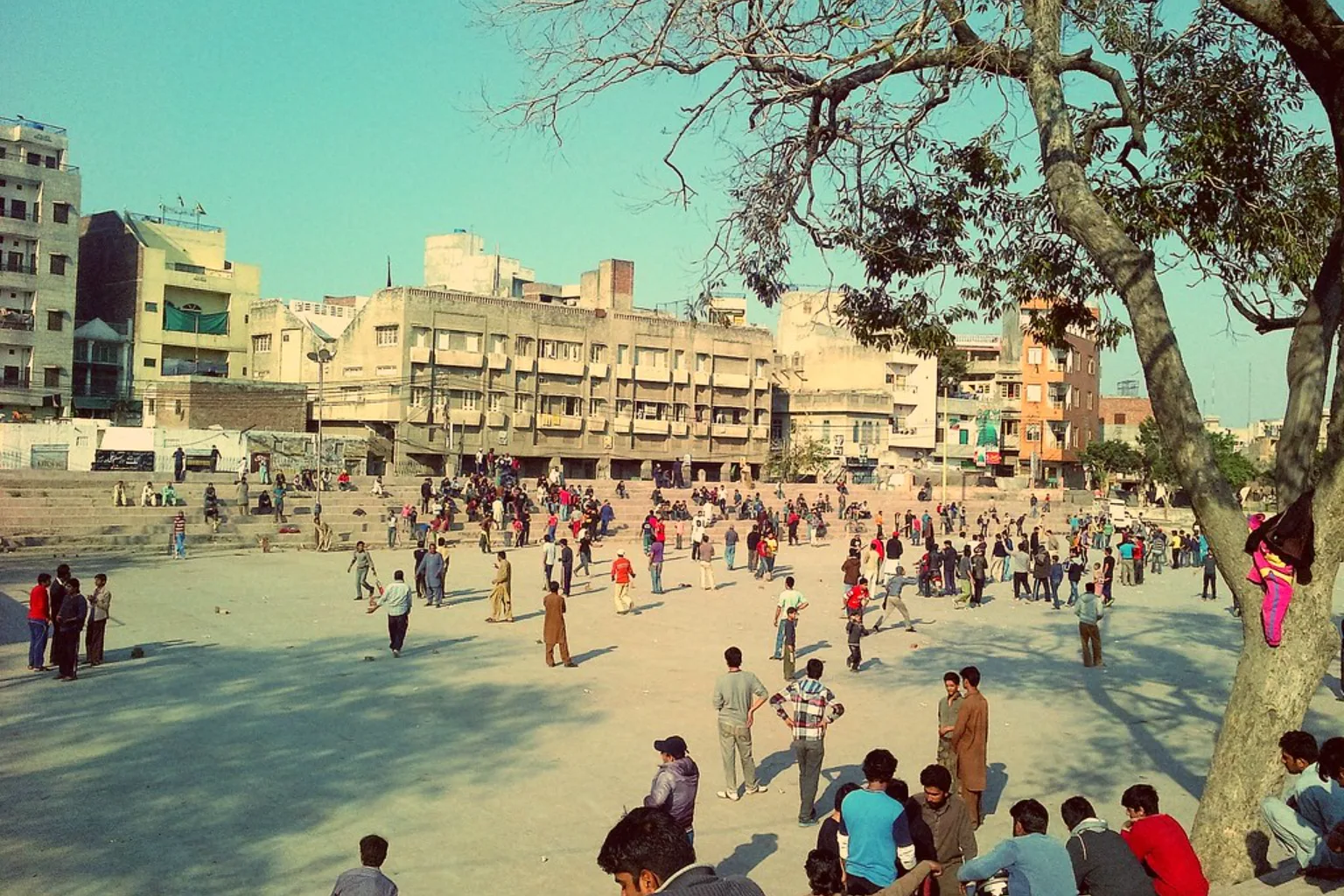
- Patang bazi is the culture; Basant is its annual summit
- The vocabulary — pecha, bo kata, kheech, dheel, raqam — is a living dialect, not nostalgia
- The craft side (makers, winders, the walled-city trade) is patang bazi's other half
- The ban years drove it underground and abroad but never extinguished it
- Today it exists legally only inside Punjab's framework — a culture with rules, which is how it survives
Patang bazi translates flat as "kite flying" and loses everything in the translation. It's closer to what football is to a footballing city: the skill, the language, the arguments, the craftsmen, the seasons, the inheritance. This is the culture piece — what patang bazi actually consists of, how it endured its banned decades, and what its legal, regulated present looks like from inside. We're part of its supply chain at SpeedX Kites, which is to say: partial, and openly so.
What does patang bazi actually include?
Four strands braided together:
The sport — pechas, cuts, and the bo kata that crowns them; the tactical depth of tension and angle; reputations built roof by roof across seasons.
The language — a complete dialect: kheech and dheel for the hands, tawa and githi for the sizes, raqam and pieces for the counting, pecha and bo kata for the war. Fluency in it is membership.
The craft — the making: paper cut and seamed, bamboo bowed true, cotton wound into pinna. The walled-city trade around Mochi Gate is patang bazi's workshop wing, generations deep.
The season — the rhythm of anticipation, preparation and festival that organises the year around a sky. Basant is the summit; patang bazi is the mountain.
How did the culture survive eighteen banned years?
Thinly, stubbornly, and at cost. The prohibition took the festival, the open market and the makers' livelihoods — craftsmen drifted to other work as the trade nearly vanished — and enforcement was real: mass arrests in the crackdown years, yet flyers defying the ban anyway, keeping the skill alive semi-secretly.
What actually preserved it was memory's infrastructure: the vocabulary spoken at family dinners, technique taught in courtyards, the diaspora carrying the culture abroad, and the walled-city workshops that never fully forgot their hands. When the 2026 revival opened the sky, the culture walked back out substantially intact — rusty of hand, word-perfect of tongue.
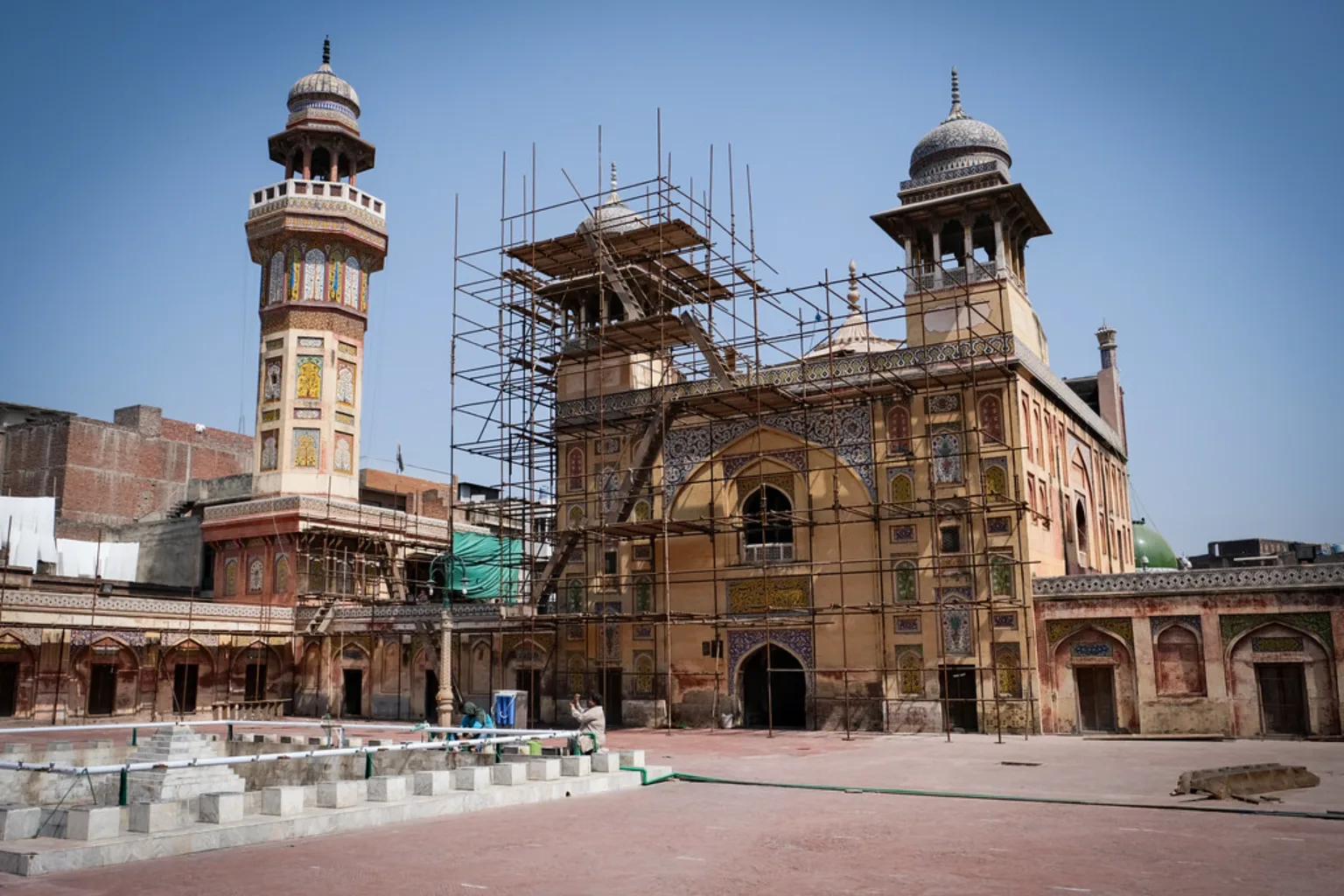
What is patang bazi's legal shape now?
A culture with a rulebook — and honestly, a culture that needed one. Its present boundaries: legal only within Punjab's framework — announced windows, adult flyers, verified kites, cotton line — with the trade running on registrations and the string arms-race that nearly killed it permanently criminalised.
Some veterans mourn the informal old days; we'd argue the rulebook is the culture's survival edition. The deaths of the coated-string era are what banned patang bazi; the framework is what un-banned it. A tradition that adapts is a tradition that continues — and the 2026 season's bo katas sounded exactly like the old ones.
How do you join the culture now?
The membership process hasn't changed in a century, only its legality has:
- Learn the hands — launch, climb, hold; one honest afternoon starts it.
- Learn the words — this site's guides double as a phrasebook; the rooftops respect fluency.
- Buy inside the law — registered sellers, verified kites, cotton pinna. The culture's future depends on its supply chain staying clean.
- Show up in March — 12–14 March 2027 is the next summit, and first-timers are half the point of a revival.
Frequently asked questions
What does patang bazi mean?
"Kite play" literally — in practice, the entire competitive kite culture of Lahore and Punjab: sport, craft, language and season together.
Is patang bazi legal in Pakistan?
Within Punjab's regulated windows and rules, yes; outside them, no — and Sindh bans it entirely. The culture now lives inside the framework.
What's the difference between patang bazi and Basant?
Basant is the festival — patang bazi's annual peak. The culture itself runs year-round in preparation, craft and memory.
Is patang bazi a sport?
As competitive as any — pechas have technique, tactics, equipment depth and rankings-by-reputation. It simply plays out over mohallas instead of stadiums.
Where can I experience patang bazi in Lahore?
At Basant, any rooftop with a duel going; year-round, the walled-city kite quarter keeps the craft side visible.
The culture's next chapter has your name on it
Patang bazi survived prohibition on memory alone; what it asks of this generation is easier — fly it, speak it, and buy it legal. The supply half is ready: kites and duel-grade cotton, reservable free or price-locked for the March summit. The rooftop half is yours.
Written by M/S SpeedX Kites, a registered kite seller in Lahore (Reg No. 38731-28012026). If anything here is out of date or wrong, tell us on WhatsApp and we will correct it.
More on lahore kite culture
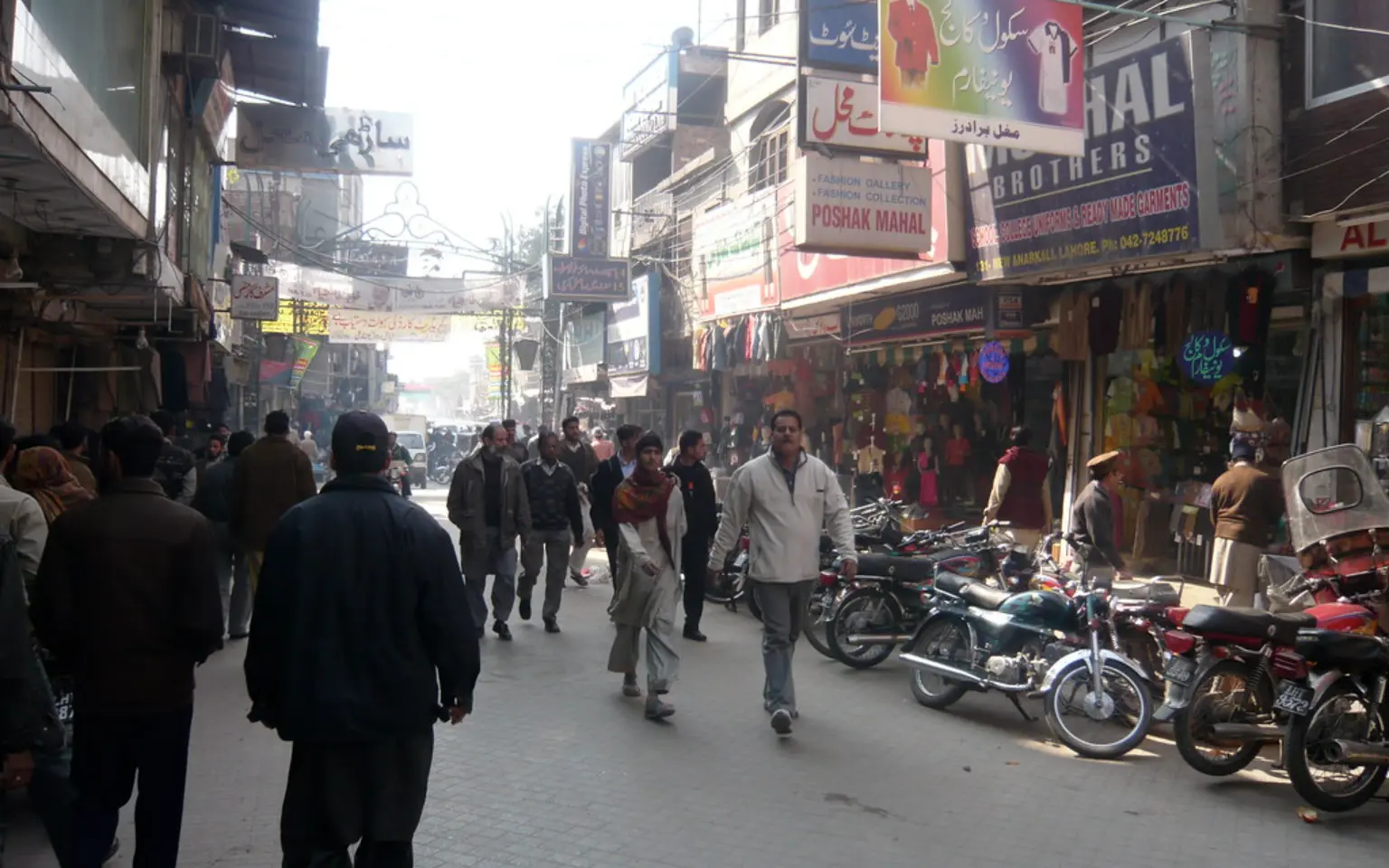
Basant Dress: Why the Whole City Wears Yellow, and What People Actually Wear on the Roof
Yellow is Basant's colour because the festival celebrates spring, when Punjab's mustard fields turn the countryside gold — wearing basanti (yellow) mirrors the season itself. On the rooftops that translates to yellow shalwar kameez and dupattas, often with fresh flowers, worn with practical shoes for a day spent flying, feeding and chasing kites.
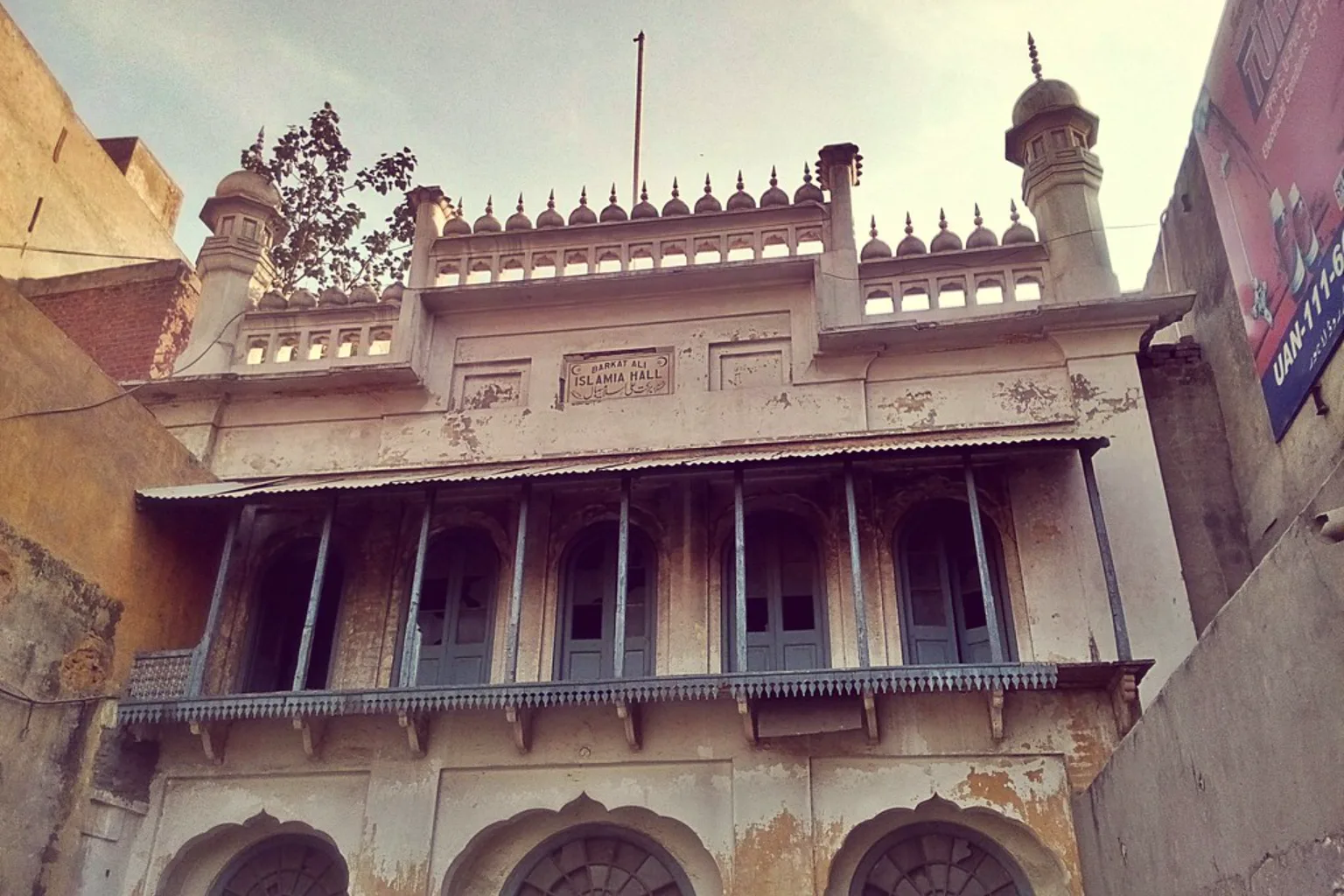
Lahore's Kite Markets: Mochi Gate and Where the Trade Actually Lives
Lahore's kite trade lives in the Walled City, with the lanes inside Mochi Gate its most storied address — narrow streets of kite makers and string sellers working a craft generations old. The market is seasonal by law now: stalls fill when a festival's production and sale windows open and thin out after. Off-season, the legitimate trade runs on registrations and reservations rather than open shelves.