Is kite flying legal in Pakistan right now? The province-by-province answer
It depends on the province and the date. In Punjab, kite flying is legal only during the government's announced festival window and under the 2025 Ordinance's conditions — outside that window it remains prohibited, including in Lahore. In Sindh, kite flying, manufacture and sale are banned outright. Status as of late August 2026: no flying window is open anywhere in Pakistan; the next announced window is Basant 2027, 12–14 March in Lahore.
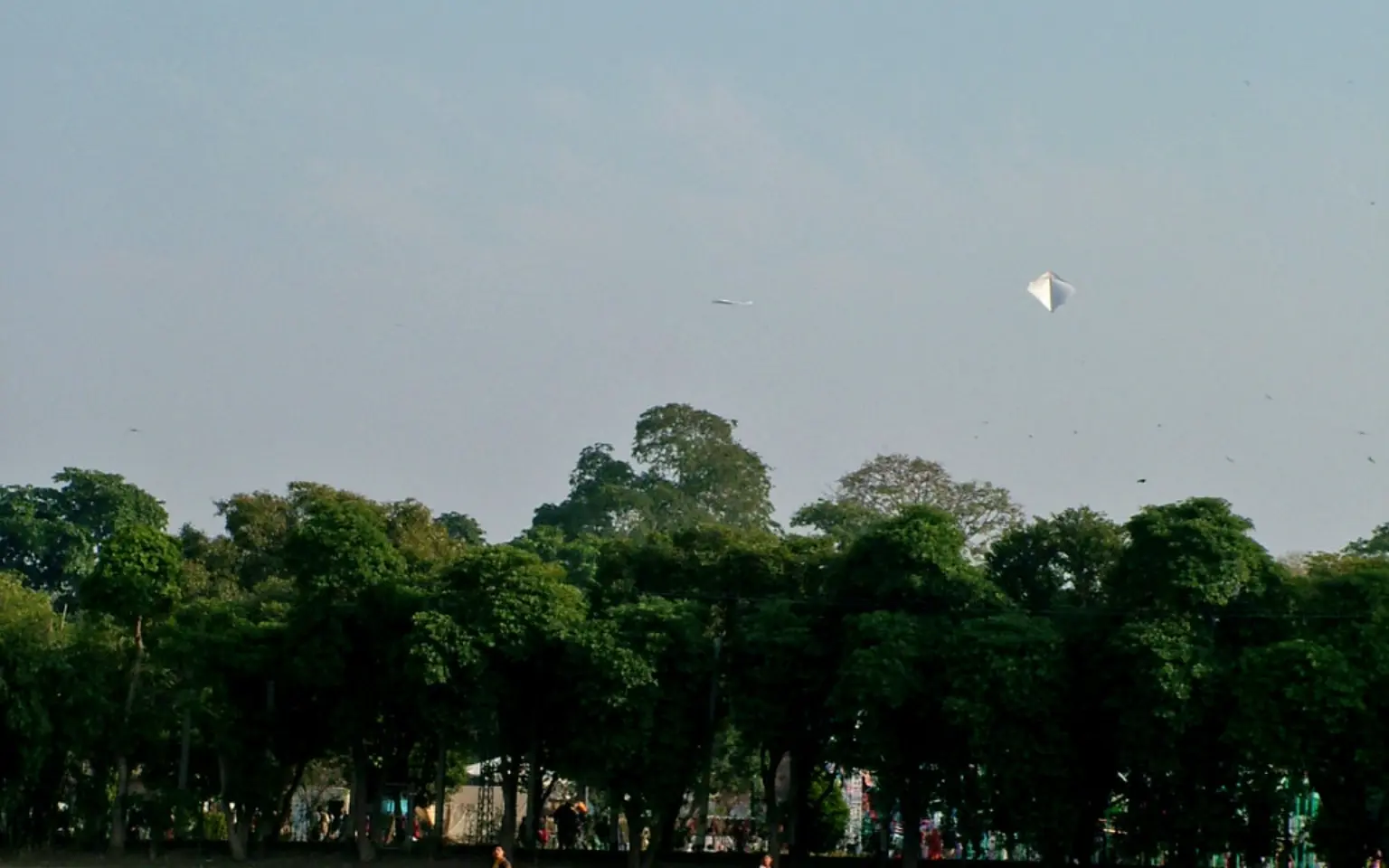
- There is no blanket yes or no — legality is set province by province, and by the calendar
- Punjab permits flying only in announced windows, under strict equipment and age rules
- Sindh (including Karachi) bans kite flying, manufacture and sale entirely
- Right now no window is open; the next is 12–14 March 2027
- Enforcement continues between festivals — “off-season” flying in Lahore is an offence
Is kite flying legal in Pakistan? People ask because they've seen both things with their own eyes: a legal festival filling Lahore's sky in February 2026, and police cases for flying in the same city a month later. Both were the law working as designed. This page gives the answer with its moving parts labelled — province, window, equipment — and a dated status line we keep current at SpeedX Kites, because our own trade depends on exactly these boundaries.
What's the law in Punjab?
The Punjab Regulation of Kite Flying Ordinance 2025 replaced the blanket ban with a permission system: kite flying is lawful only during a festival window the government announces, by adults 18 and over, with QR-stickered kites on thread-based cotton string, under the rooftop conditions in force for that season.
The window is the heart of it — the Ordinance permitted 6–8 February in 2026, and 12–14 March 2027 is next. Outside the window, the pre-2026 reality still applies: flying is prohibited, and Lahore police have registered cases through every off-season since the revival. The Ordinance didn't legalise kite flying in general — it created a lawful exception and hardened everything around it.
What's the law in Sindh and Karachi?
A full stop. Sindh maintains a province-wide prohibition on kite flying and its supply chain, and Karachi separately bans the manufacture, sale and use of kite string. No festival window exists, no registration system applies, and Punjab's permissions end at the provincial border.
The Sindh position is set out in Dawn's reporting on the province's rules. That's also why we state plainly on every relevant page: we don't deliver kite-flying material into Sindh — there's no legal way to.
So is it legal today?
As of late August 2026: no. No window is open in any province. The 2027 window is announced but months away, and even the commercial run-up hasn't legally begun — manufacturing and sale permits for the season remain pending. What is legal now, in Punjab, is preparing and reserving.
The permits question is live — the trade association is lobbying for a September production start. What IS legal today is reading the rules, sorting your rooftop, and reserving equipment for delivery once sale is permitted. That last one is our lane — pre-bookings that hold stock without a sale occurring — and it exists precisely because the calendar, not the shop, decides when kites change hands.
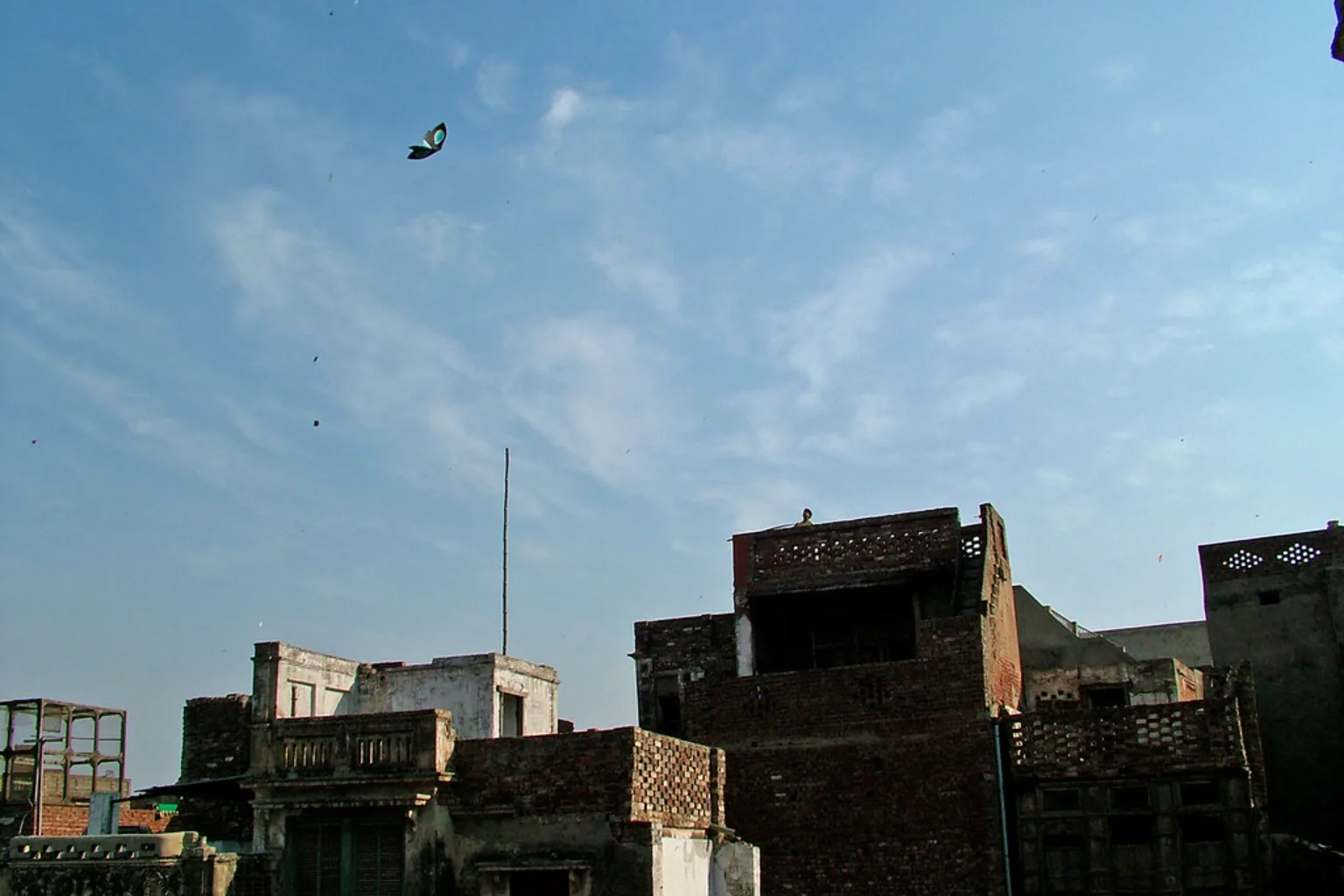
What makes flying legal when the window opens?
Think of it as four boxes, all of which must be ticked at once:
- The date — inside the announced window
- The flyer — an adult; children watch, chase and celebrate, but don't hold the line
- The equipment — a QR-verified kite from a registered seller, flown on plain cotton pinna
- The venue — a rooftop meeting the season's safety rules (the 2027 set is stricter)
Miss any one and the flying isn't legal, however festive the day. The string box is the one with criminal teeth: banned line — metallic, nylon, coated — carries up to five years and Rs. 2 million in fines under the Ordinance, and the rooftop requirements are their own checklist.
Is kite flying legal in Lahore right now?
No — Lahore follows Punjab's window system, and no window is open. The next legal flying days are 12–14 March 2027.
Is kite flying legal in Punjab outside Basant?
No. The Ordinance permits flying only during announced windows; between them, prohibition and enforcement resume.
Is kite flying allowed in Karachi?
No — Sindh's ban covers flying, manufacture and sale, with Karachi adding its own string prohibition. There is no legal kite season in the province.
Is buying a kite illegal right now?
Sale of kite-flying material outside the permitted window is illegal — which binds sellers everywhere in Punjab. Reserving for future delivery is lawful; that's the mechanism the whole legitimate trade runs on until permits open.
Who enforces the kite laws?
Punjab police, under the Ordinance — with the 2026 season adding drones, safe-city cameras and dedicated control rooms during the festival itself.
Know the line, then enjoy the right side of it
The revived festival works because the boundaries hold — and flying inside them is better anyway: verified kites fly true, cotton duels are fair, and nobody's day ends at a police station. When you're ready for March, reserve legal stock now and we'll deliver it the day the law says yes.
Written by M/S SpeedX Kites, a registered kite seller in Lahore (Reg No. 38731-28012026). If anything here is out of date or wrong, tell us on WhatsApp and we will correct it.
More on rules & safety
Kite Flying Punishment in Pakistan: The Actual Fines and Jail Terms, Offence by Offence
The heaviest kite-related punishment in Pakistan targets banned string: making, selling or using metallic wire, nylon or chemical/glass-coated manjha carries three to five years' imprisonment, a fine up to Rs. 2 million, or both, under Punjab's 2025 Ordinance. Flying outside the announced window, selling without registration, and rooftop conduct violations are separate offences with their own consequences — and in Sindh, all kite flying is banned outright.
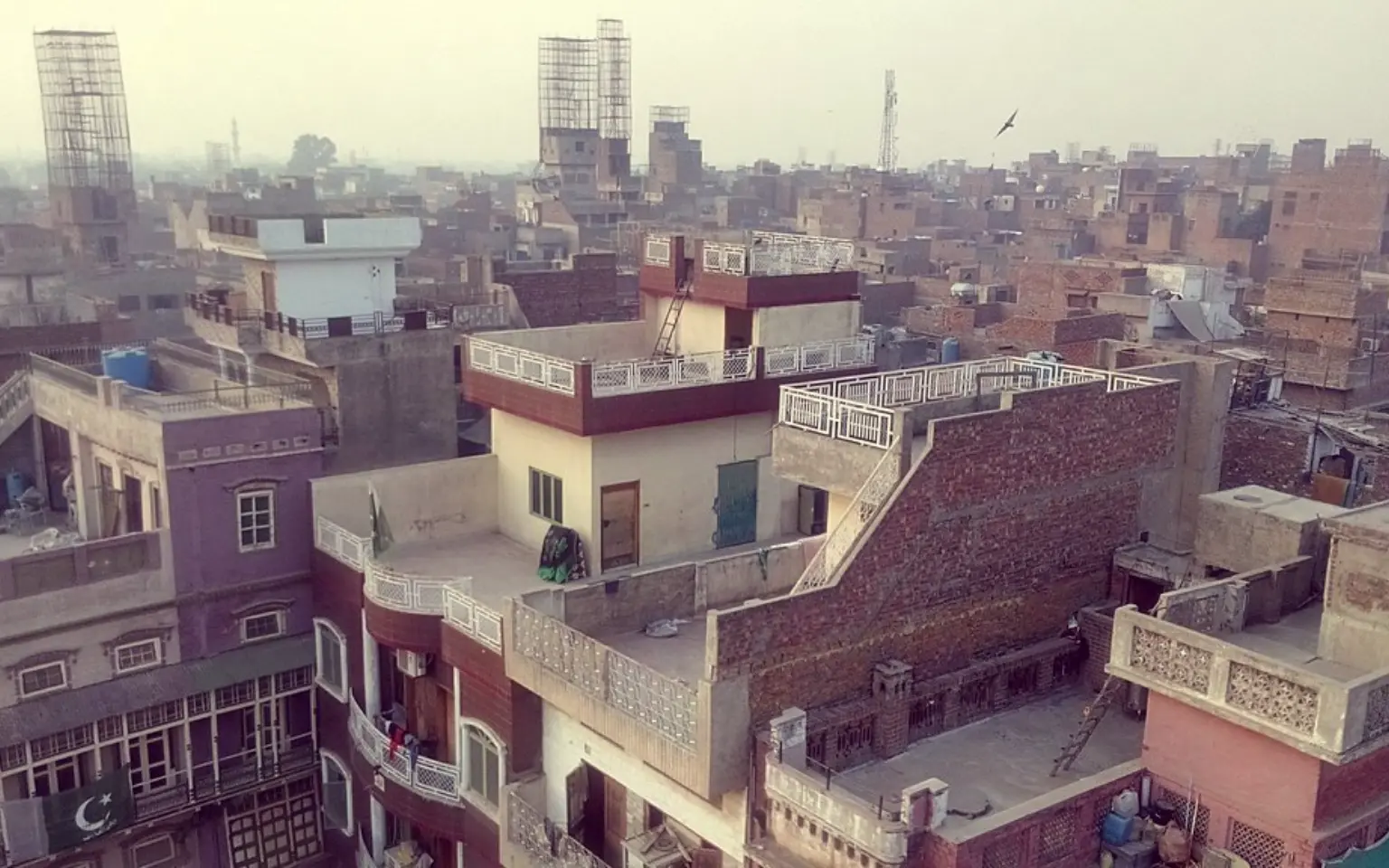
Lahore Rooftop Rules for Basant 2027: The Checklist an Inspector Would Use on Your Roof
For Basant 2027, kite flying is permitted only on structurally sound rooftops with boundary walls at least 3.5 feet high, crowds within safe load capacity, children continuously supervised and kept from edges, no running or hanging over parapets, no DJ systems, and a first-aid kit on the premises. Building owners and event organisers are jointly liable for violations — and the framework takes effect across Punjab by 30 December 2026, before the season starts.