Skip to content

Pre-bookings only — nothing ships until sale is permitted

Kite flying is legal in Punjab only during the announced festival window. Until the government permits sale for Basant 2027, we take reservations only: reserve free and pay the market rate on delivery day, or pay 50% now to lock today's price. Nothing ships before sale is permitted.

How pre-booking works

Registered seller · Reg No. 38731-28012026

QR-verified stock · Legal cotton pinna only · Free to pre-book

Rules & safety

The Ordinance in plain language, rooftop requirements, and why coated string is banned.

13 guides

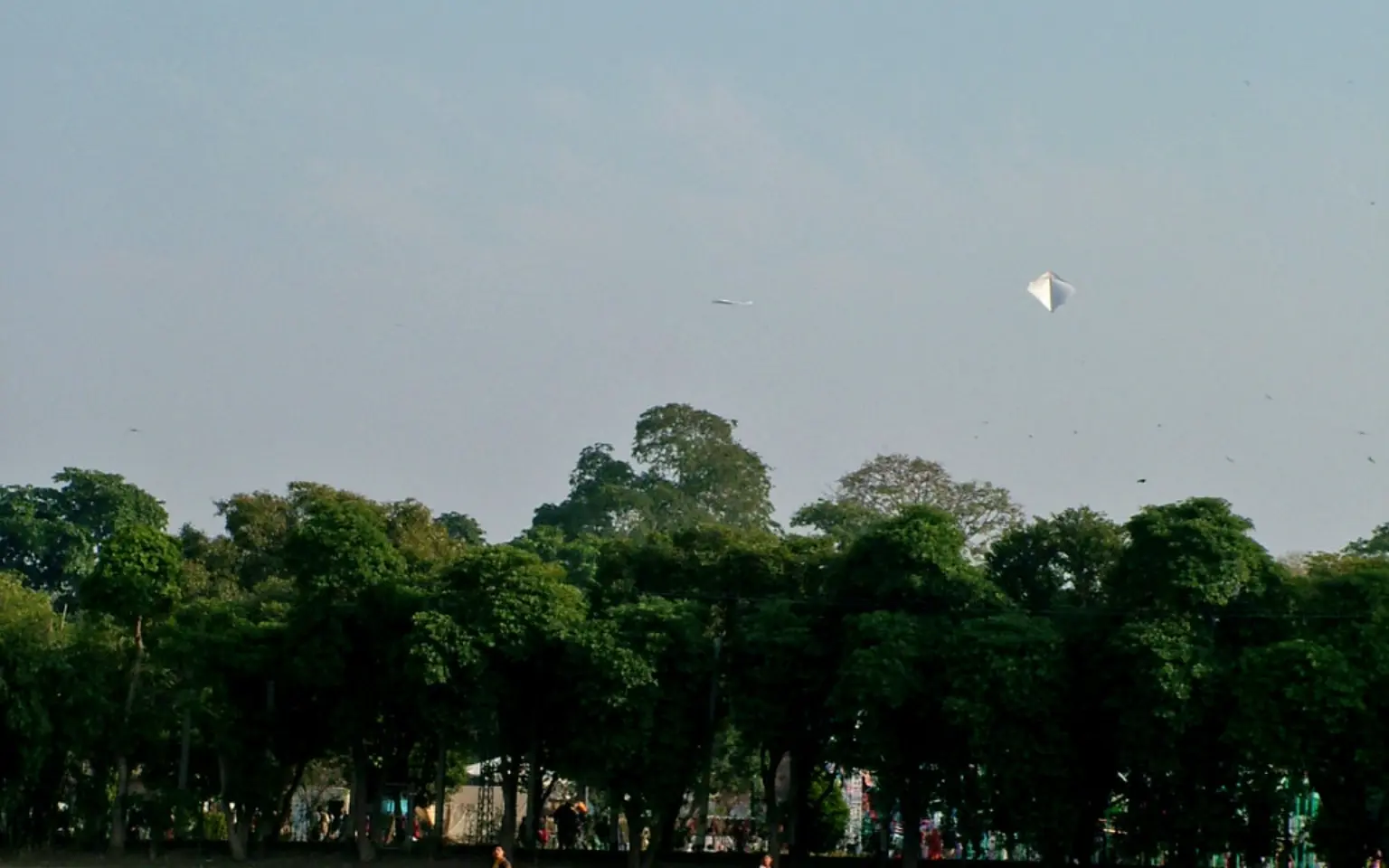
Children flying kites over open ground in Lahore
Rules & safety

Is kite flying legal in Pakistan right now? The province-by-province answer

It depends on the province and the date. In Punjab, kite flying is legal only during the government's announced festival window and under the 2025 Ordinance's conditions — outside that window it remains prohibited, including in Lahore. In Sindh, kite flying, manufacture and sale are banned outright. Status as of late August 2026: no flying window is open anywhere in Pakistan; the next announced window is Basant 2027, 12–14 March in Lahore.

6 min read
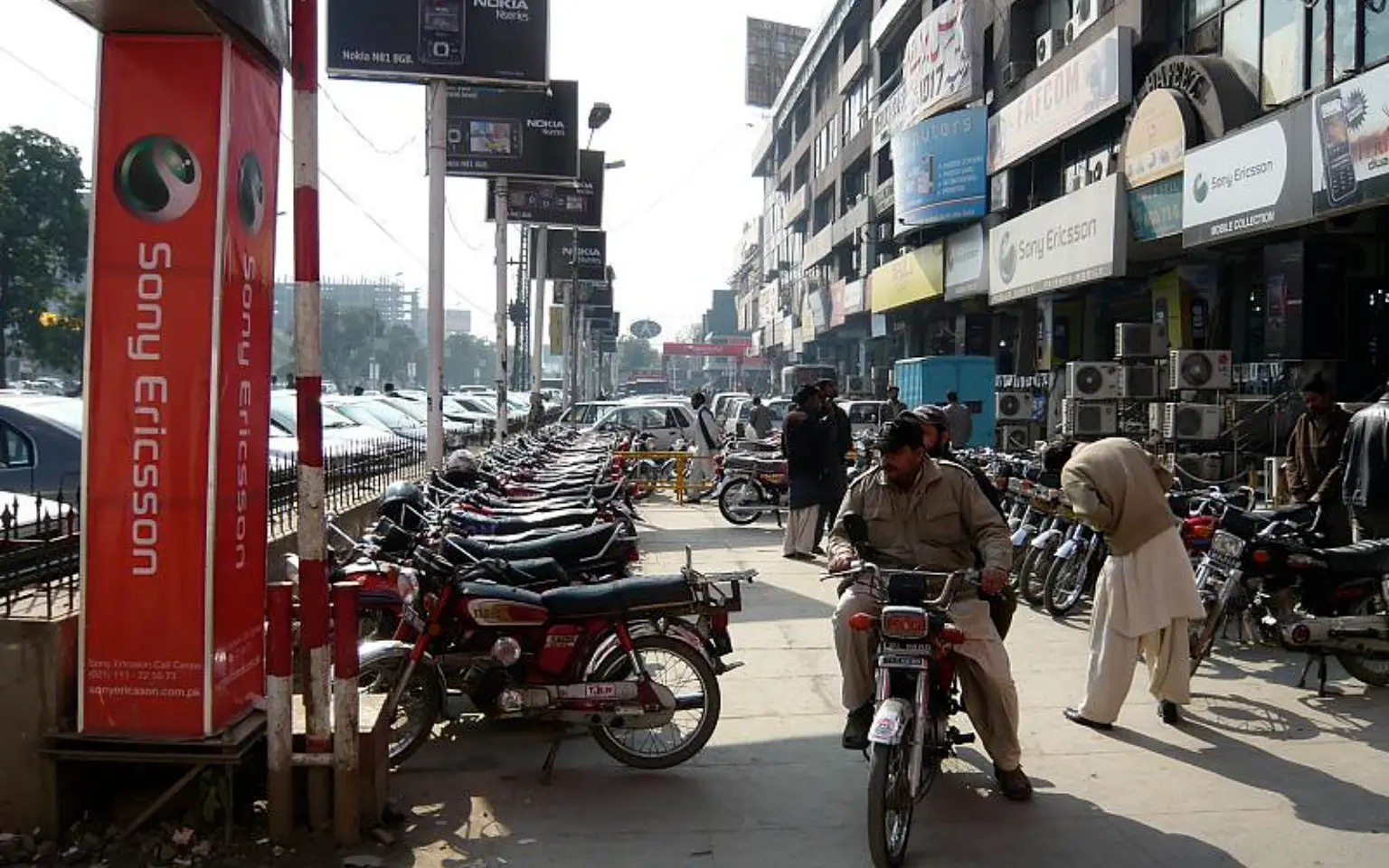
Motorbikes lined along a Lahore street
Rules & safety

Kite Flying Punishment in Pakistan: The Actual Fines and Jail Terms, Offence by Offence

The heaviest kite-related punishment in Pakistan targets banned string: making, selling or using metallic wire, nylon or chemical/glass-coated manjha carries three to five years' imprisonment, a fine up to Rs. 2 million, or both, under Punjab's 2025 Ordinance. Flying outside the announced window, selling without registration, and rooftop conduct violations are separate offences with their own consequences — and in Sindh, all kite flying is banned outright.

5 min read
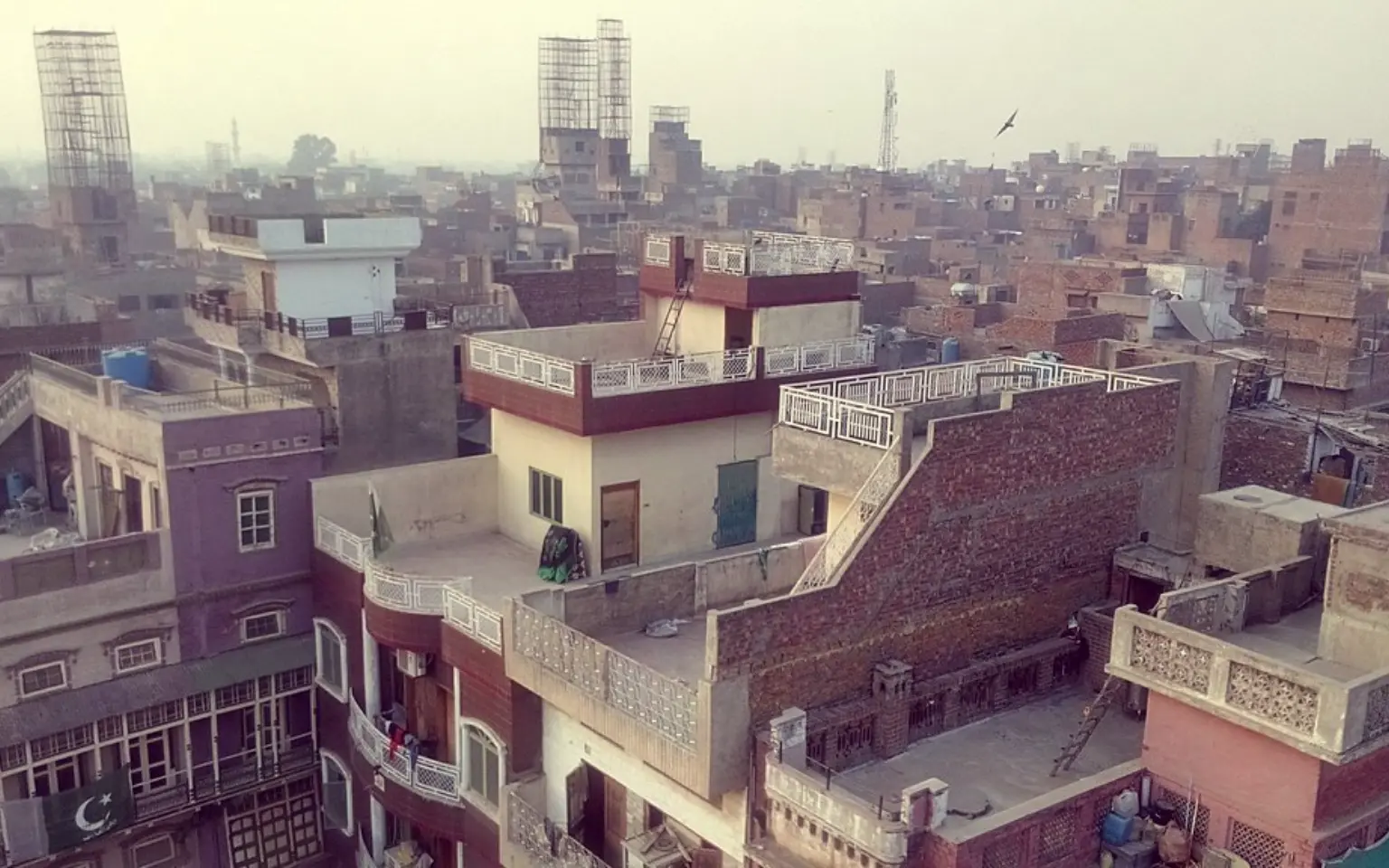
Packed rooftops of Lahore's walled city seen from Mori Gate
Rules & safety

Lahore Rooftop Rules for Basant 2027: The Checklist an Inspector Would Use on Your Roof

For Basant 2027, kite flying is permitted only on structurally sound rooftops with boundary walls at least 3.5 feet high, crowds within safe load capacity, children continuously supervised and kept from edges, no running or hanging over parapets, no DJ systems, and a first-aid kit on the premises. Building owners and event organisers are jointly liable for violations — and the framework takes effect across Punjab by 30 December 2026, before the season starts.

5 min read
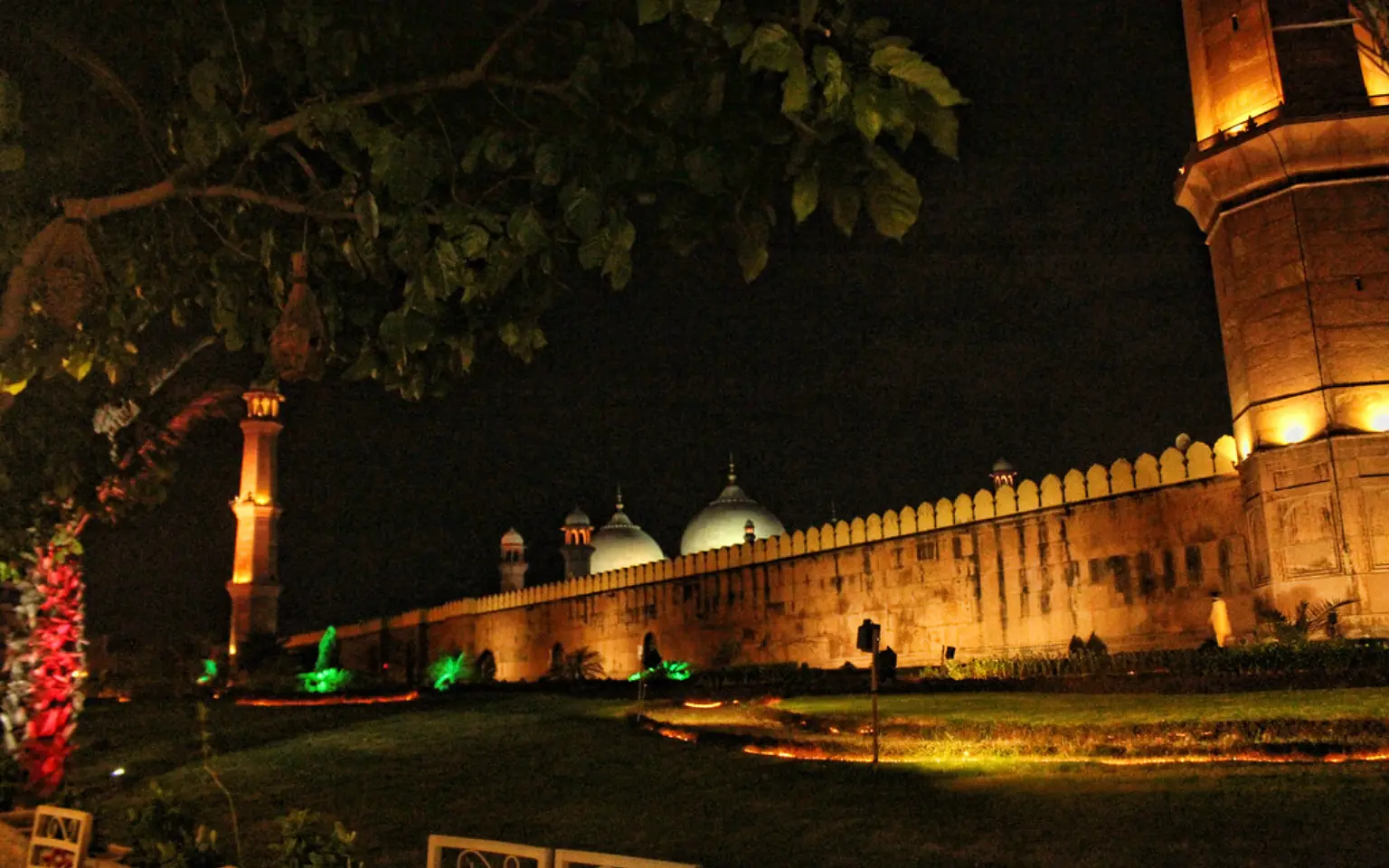
The Lahore Fort and Badshahi Mosque floodlit at night
Rules & safety

When Was Kite Flying Banned in Punjab? The Full Timeline, Including the False Starts

In stages: Punjab first imposed kite-flying regulations in 2005 after years of string deaths, and the full provincial ban took effect in 2007. Brief court-ordered or government relaxations in the late 2000s ended after fresh casualties, and the ban then held largely unbroken until the Punjab Regulation of Kite Flying Ordinance 2025 enabled the legal revival of 6–8 February 2026.

4 min read
A shopfront hung with bright goods inside Lahore's walled city
Rules & safety

Chemical Manjha: What It Is, Why It's Banned, and How to Recognise It Before It's on a Roof

Chemical manjha is kite string treated with abrasive coatings — chemical pastes, powdered glass, or synthetic and metallic materials — to win cutting duels. It turns a festival line into a blade: it has cut throats, caused electrocutions, and is banned outright in Punjab, with three to five years' imprisonment and fines up to Rs. 2 million. The only legal kite string in Punjab is plain, uncoated, thread-based cotton.

5 min read
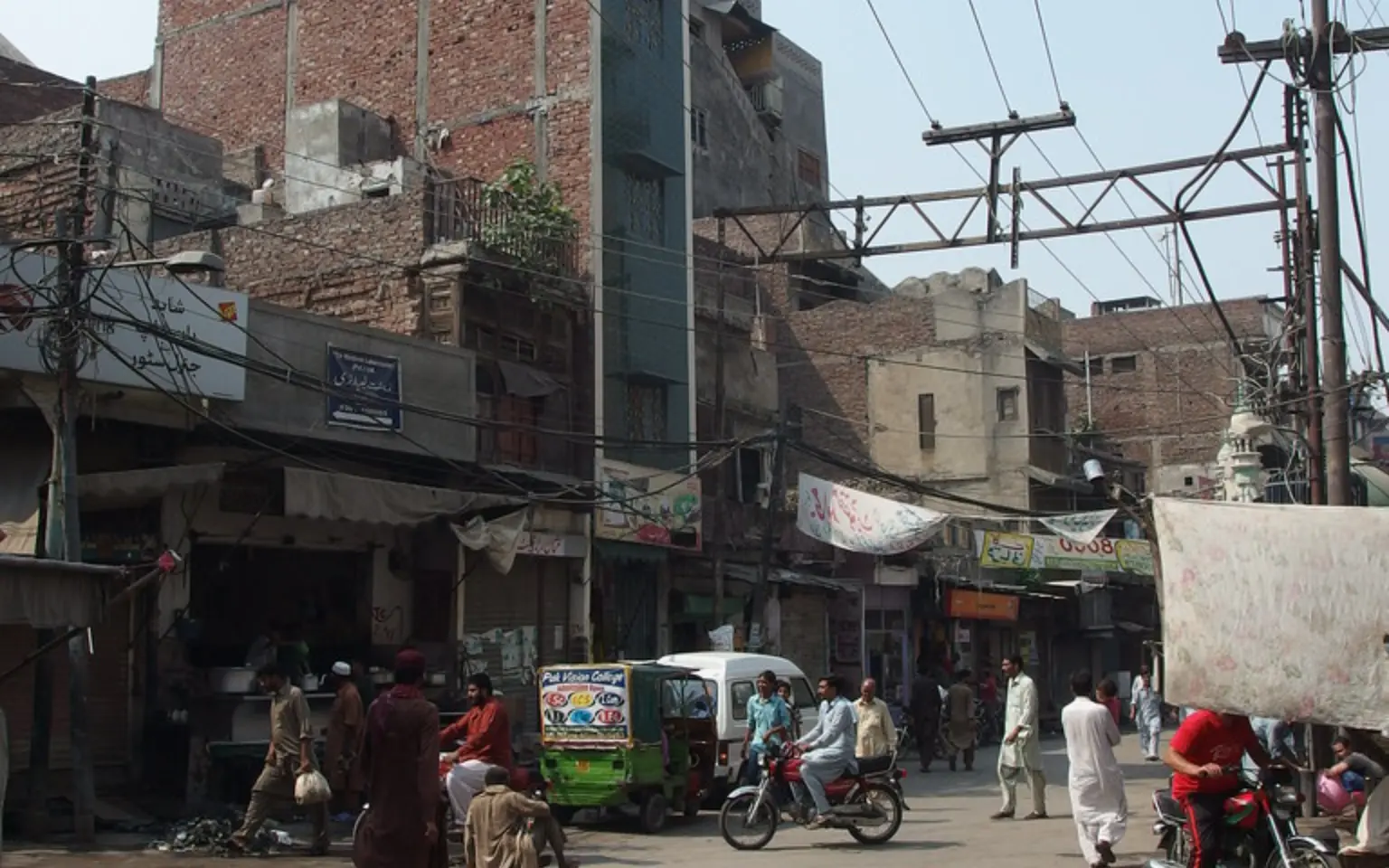
A narrow lane of shops and motorbikes inside Lahore's walled city
Rules & safety

Basant Zones in Lahore: How the Red, Yellow and Green System Worked in 2026 — and What to Expect for 2027

For Basant 2026, Lahore was divided into red, yellow and green zones: green zones permitted rooftop kite flying under the rules, yellow zones allowed limited activity under closer monitoring, and red zones — including the Walled City — faced the strictest controls. Enforcement ran through drones, safe-city cameras and control rooms. The 2027 zone map has not been published yet; expect it with the season's notifications closer to 12–14 March.

4 min read
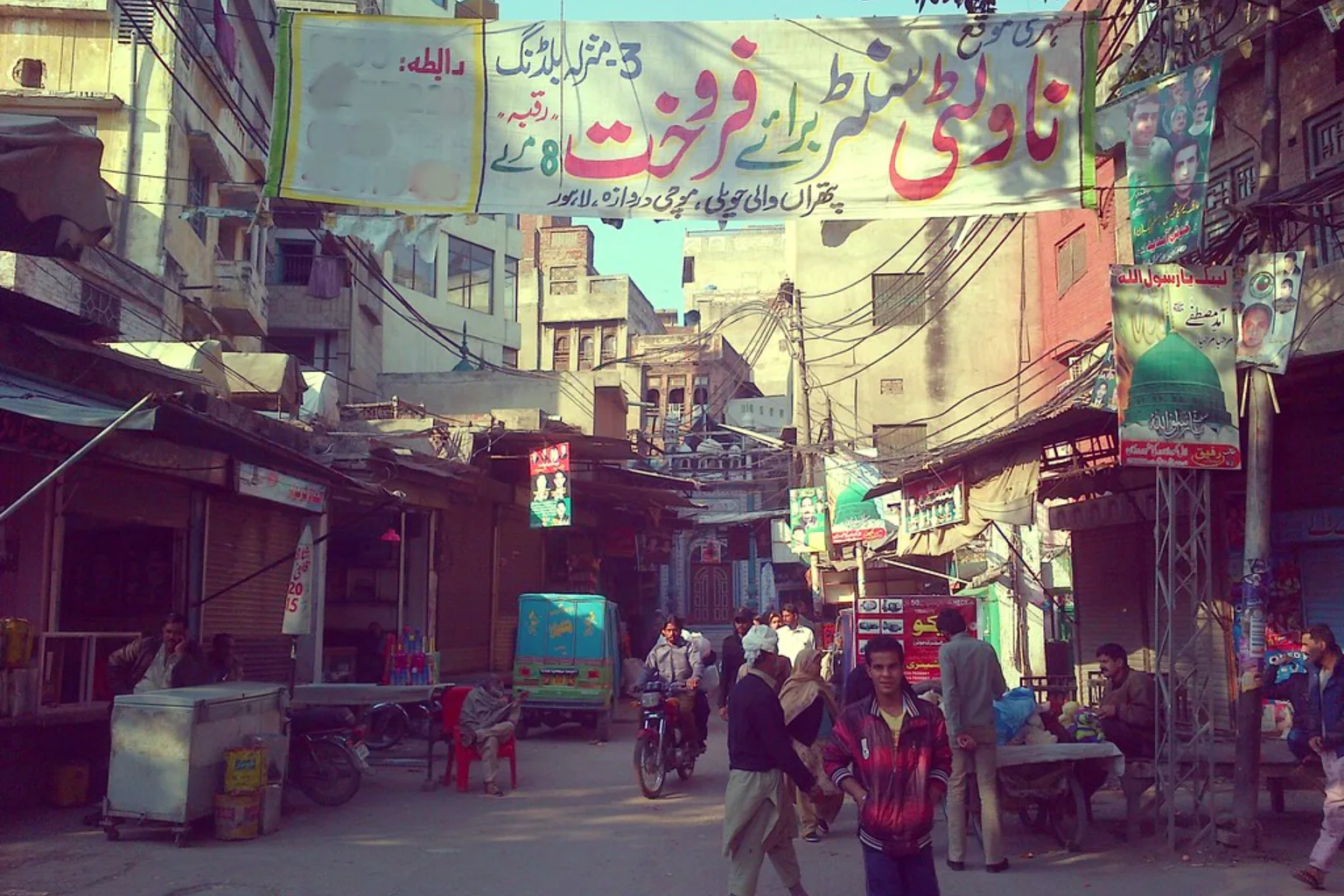
A bazaar lane inside Mochi Gate, Lahore, hung with Urdu shop signboards
Rules & safety

The QR Sticker on a Legal Kite: What It Proves, How to Scan It, and What a Missing One Means

Every legal kite and ball of string in Punjab carries a government-issued QR sticker that scans to the official registration system and names the licensed manufacturer who made it. It's the festival's traceability backbone: one scan tells you the kite is lawful, sized within limits, and made in an approved district. A kite without a working sticker can't be verified, can be confiscated, and shouldn't be bought at any price.

5 min read
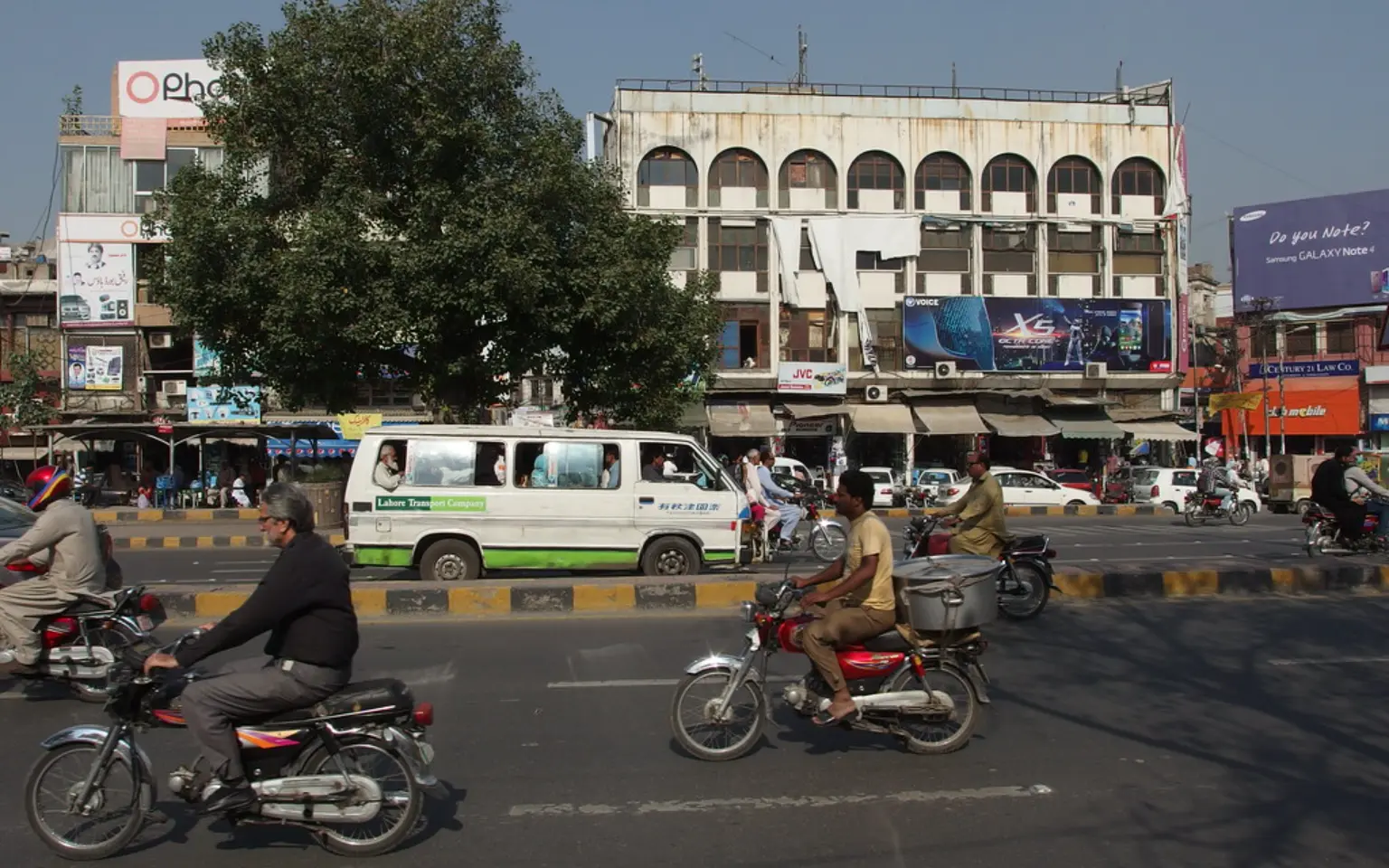
Traffic and motorbikes on Mall Road, Lahore
Rules & safety

Which Manjha Is Best for Kite Fighting? The Honest Answer Is None.

If "manjha" means coated fighting string — and in this question it always does — the answer is that no manjha is best, because every coated, glass, chemical or metallic line is banned in Punjab, carries three to five years' imprisonment and up to Rs. 2 million in fines, and is the direct reason seventeen families buried someone after Basant 2026's road and wire accidents across the years of illegal string. The legal question with a real answer is: which cotton pinna fights best — and that comes down to premium names, fresh winding, and hands that know a pecha.

5 min read
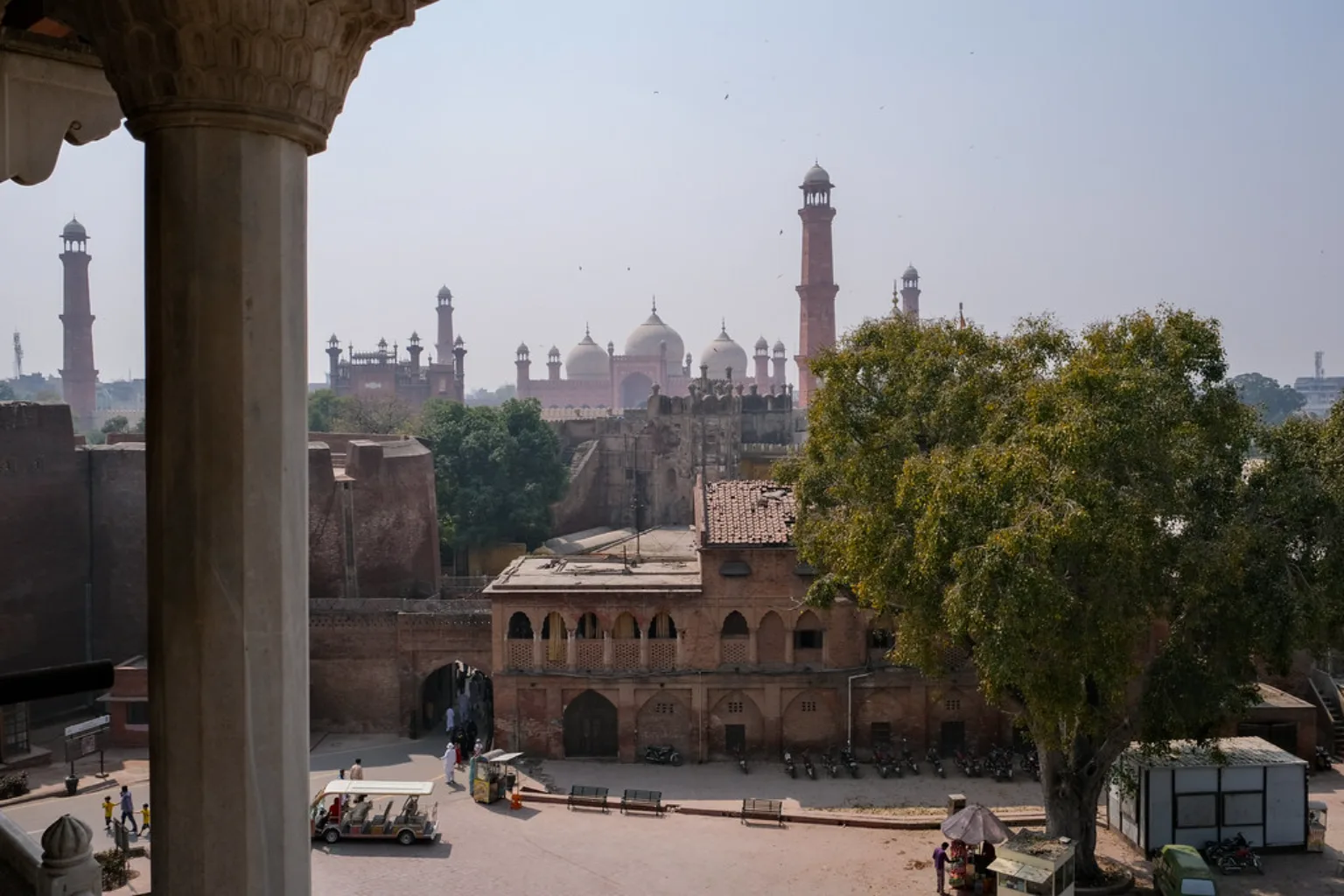
The Badshahi Mosque seen across the rooftops of Lahore's walled city
Rules & safety

The Rooftop Safety Checklist We'd Want on Every Roof This Basant

A safe Basant rooftop passes ten checks before the first kite launches: a sound structure, walls at 3.5 feet or higher, a headcount the roof can carry, a named adult watching children, edges treated as off-limits, no running or kite-snatching games, a stocked first-aid kit, Rescue 1122 saved in the host's phone, lighting for the night hours, and legal equipment only. Every item traces to a real 2026 accident cause — this list is the festival's casualty report turned into prevention.

5 min read
Motorbikes crossing a wide road in Lahore
Rules & safety

Kite String Injuries: How They Actually Happen, and the Two-Minute Preventions

Kite string injuries split into two very different classes. Legal cotton line causes friction cuts and burns to the hands of flyers during launches, duels and gusts — painful, preventable with gloves or finger guards, rarely serious. Banned coated and metallic lines caused the second class: deep lacerations to motorcyclists and bystanders at street level, and electrocutions — the injuries behind the ban era, addressed today by the cotton-only law, the bike safety-rod rule, and enforcement.

5 min read
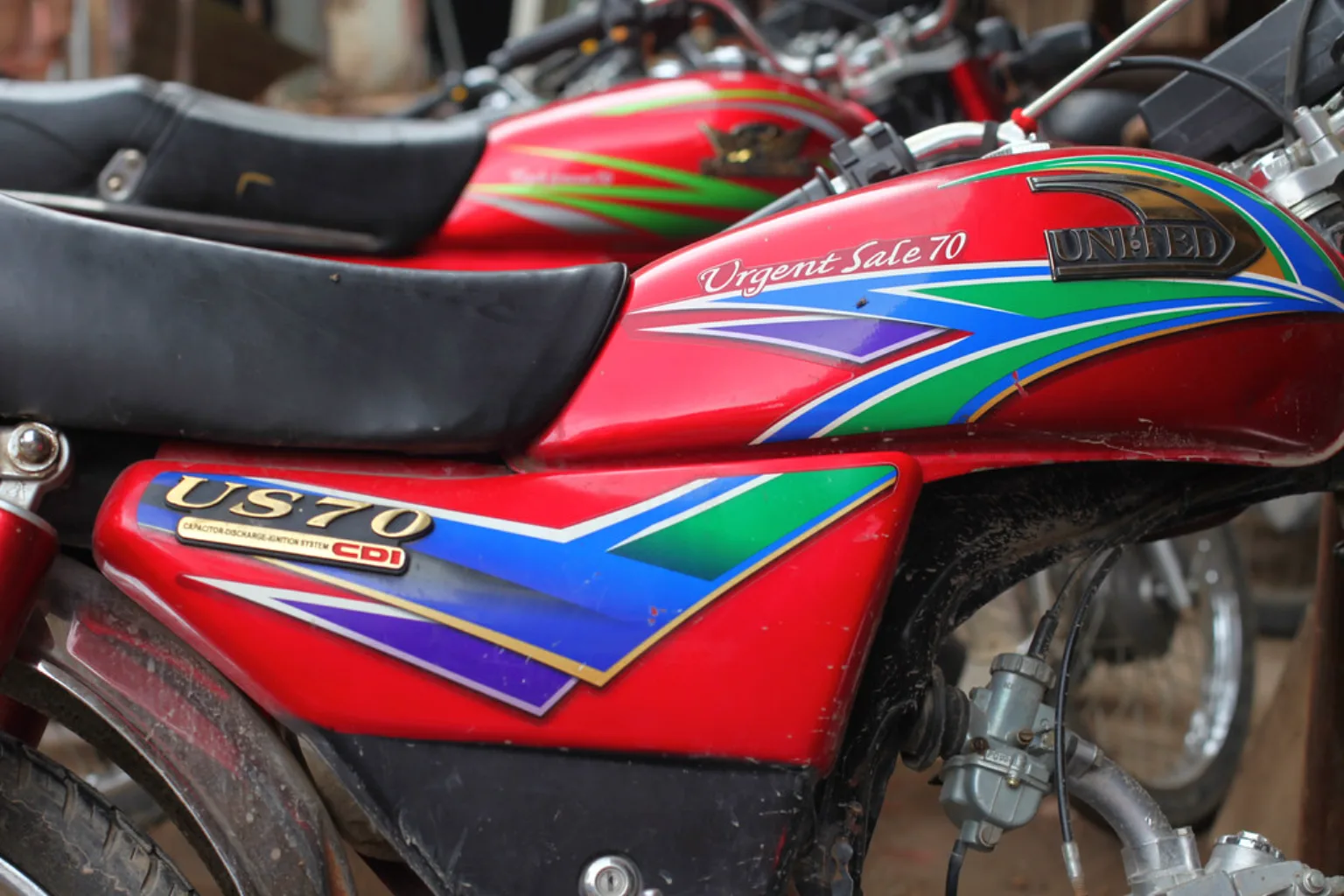
A bright red 70cc motorcycle of the kind ridden across Lahore
Rules & safety

Motorcycles and Basant: The Safety-Rod Rule, and How to Ride the Festival Week

For Basant 2026, Lahore made a front-mounted safety rod mandatory on every motorcycle — no rod, no road — with free installation camps citywide and FIRs for violators, alongside helmet requirements for rider and pillion. The rod deflects stray kite string away from the rider's neck and face. Expect the same regime for the 12–14 March 2027 festival, and fit the rod early regardless: it's cheap, quick, and it works.

5 min read
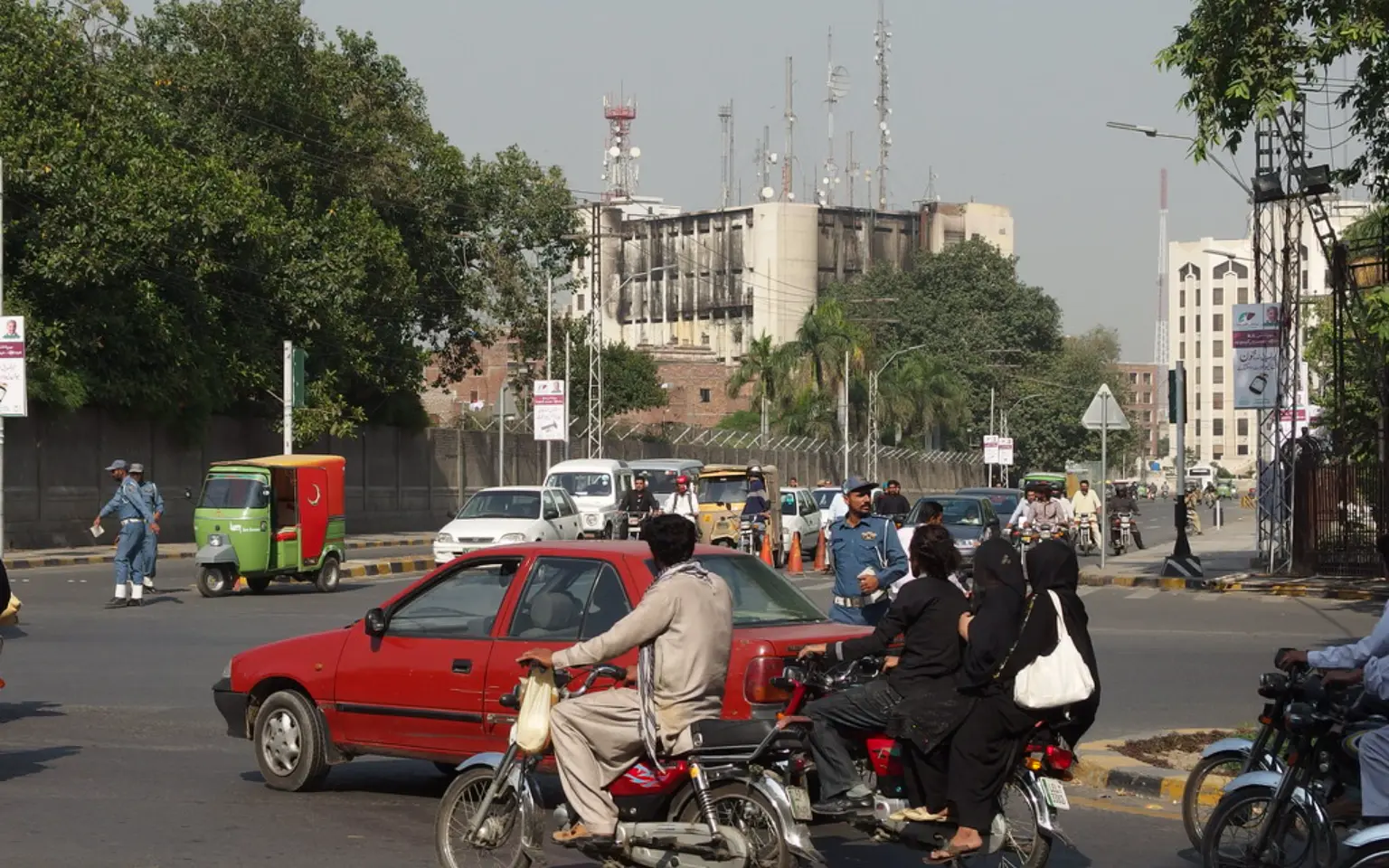
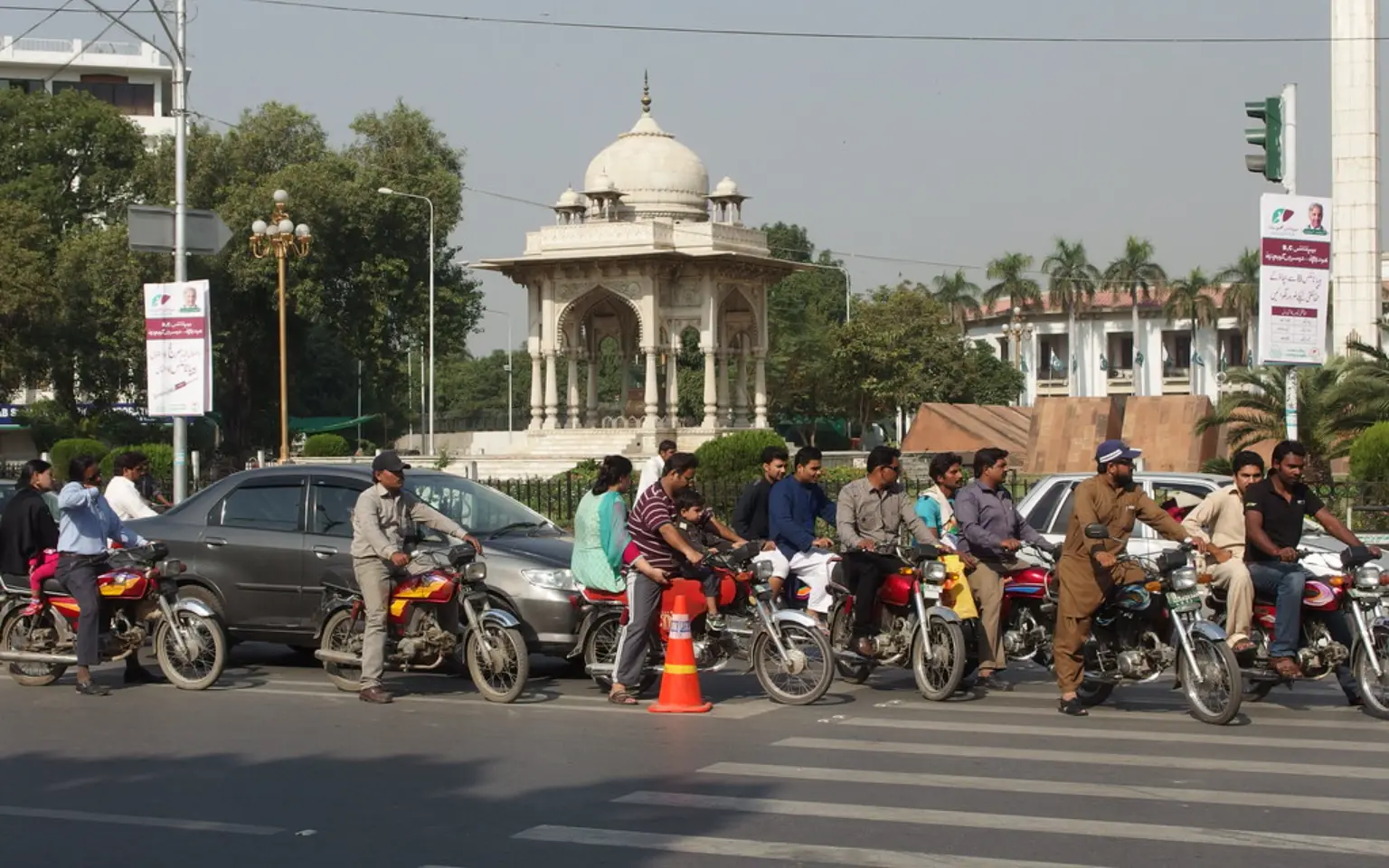
Motorbikes waiting at a junction by the Punjab Assembly, Lahore
Rules & safety

First Aid on a Basant Rooftop: What the Rules Require, and What Sense Adds

The 2027 framework requires a first-aid kit on every premises hosting kite flying — and a useful one holds gauze, bandages, antiseptic, tape, scissors, burn dressing and any household medicines, positioned visibly on the roof. The judgment rule that matters more than the kit: line cuts and scrapes are roof-treatable; anything involving a fall, a head, or the street is a Rescue 1122 call first and first aid second.

5 min read
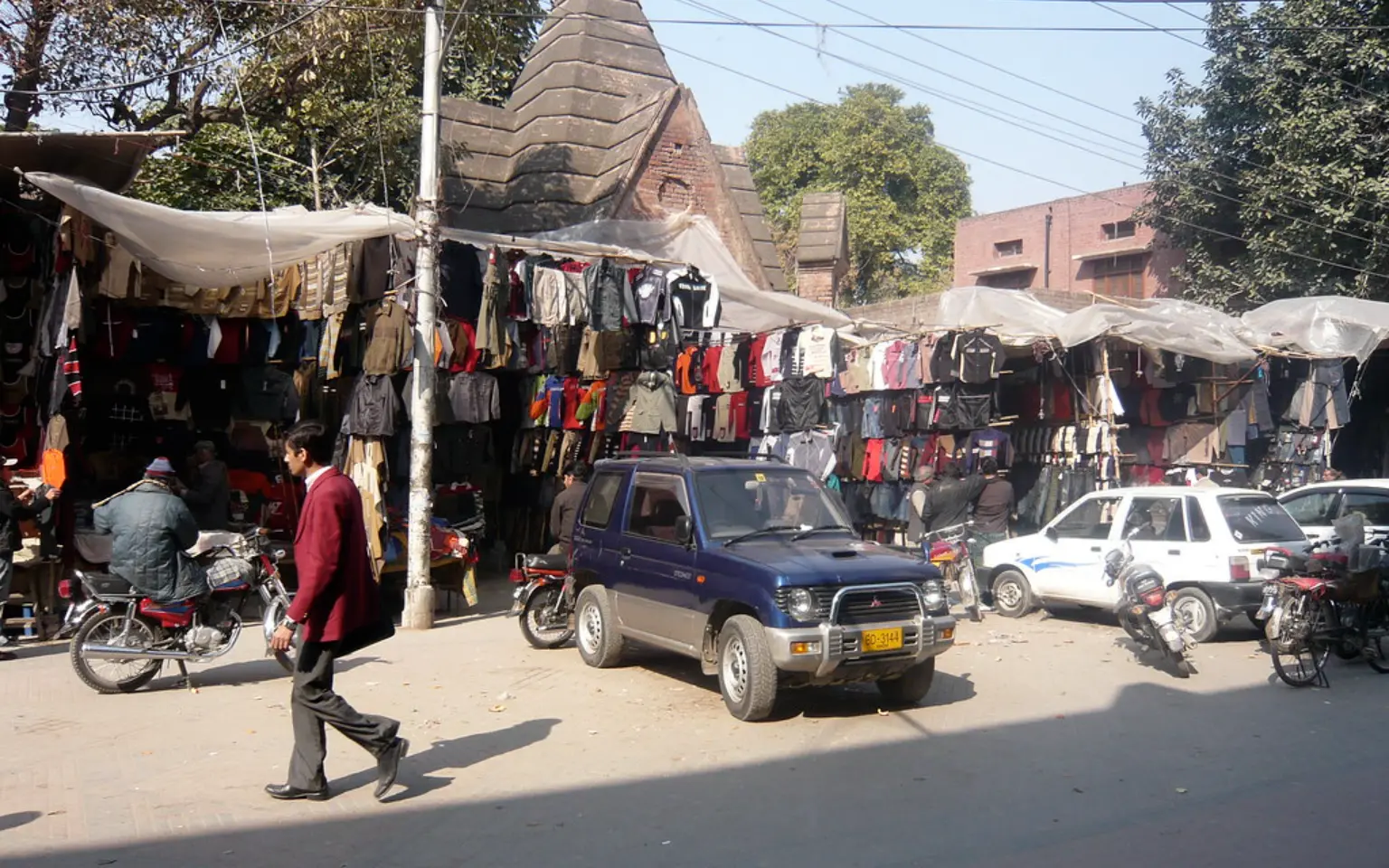
Awnings and parked traffic along the shopfronts of Anarkali, Lahore
Rules & safety

Kite Flying Licences in Punjab: Seller, Manufacturer, Club, Flyer — Who Needs Which Paper

Punjab's kite licensing has four lanes. Manufacturers need production licences and can only operate in the four approved districts. Sellers register via Form A and receive the Form B certificate — Rs. 1,000 in the 2026 cycle. Kite-flying clubs and associations file Form C for the Form D approval — Rs. 5,000 in 2026. Ordinary flyers need no licence at all: their obligations are the rules (18+, festival window, legal equipment, compliant roof), not paperwork.

5 min read