Motorcycles and Basant: The Safety-Rod Rule, and How to Ride the Festival Week
For Basant 2026, Lahore made a front-mounted safety rod mandatory on every motorcycle — no rod, no road — with free installation camps citywide and FIRs for violators, alongside helmet requirements for rider and pillion. The rod deflects stray kite string away from the rider's neck and face. Expect the same regime for the 12–14 March 2027 festival, and fit the rod early regardless: it's cheap, quick, and it works.
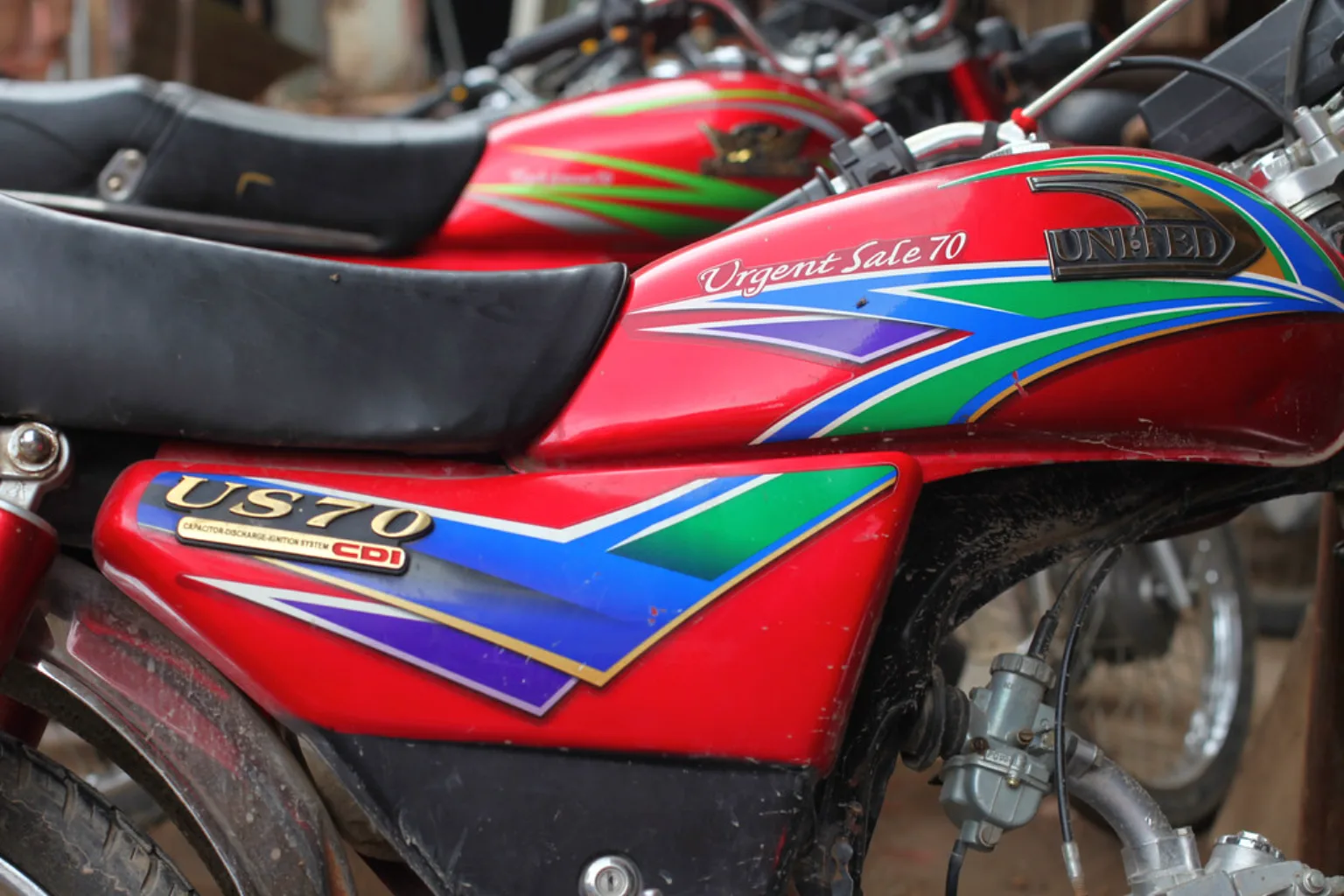
- The rod is a vertical deflector fixed at the front of the bike, protecting neck and face from trailing line
- 2026 enforcement was real: Section 144 backing, roughly a million free rods, FIRs for riding without one
- Helmets were required for rider AND pillion through the festival
- Red-zone entries saw the tightest checking; assume checkpoints near dense flying areas
- Best riding strategy for the festival days: rod fitted, visor down, main flying hours avoided where possible
The festival's most important safety rule isn't on any rooftop — it's on the handlebars. Basant's history of road injuries came from cut kites trailing line across streets at rider height, and the revived festival's answer is the safety rod: simple, visible, mandatory, and free to fit in 2026. If you ride in Lahore during festival season, this is your page — the rule, the reasoning, and the practical riding playbook for the March week. We're a kite shop; the roads matter to us precisely because our product shares them.
What exactly is the bike safety rod?
A strong vertical rod — the "safety antenna" — fixed at the front of the motorcycle, rising above head height, that catches any string crossing the road and deflects it up and away from the rider's neck and face. Against legal cotton line it's near-total protection; against the residual risk of illegal coated line it converts a potential laceration into a snagged rod.
It isn't decoration or DIY wire: proper rods are rigid, mounted to the frame, and positioned so the deflection path clears both rider and pillion. In 2026, temporary camps at major roads fitted them free in minutes — the state treating protection as something to distribute rather than merely demand.
How seriously was the rule enforced in 2026?
As seriously as any traffic rule in recent memory. Section 144 backed the requirement — no motorcycle without a rod on Lahore's roads during the festival — with distribution on the order of a million free rods citywide, and enforcement to match: FIRs registered against riders caught without one, plus warnings of impoundment under the zero-tolerance posture.
Two companion rules rode along: helmets for rider and pillion, checked through the same stops, and the tightest scrutiny at red-zone entries where flying density made trailing line most likely.
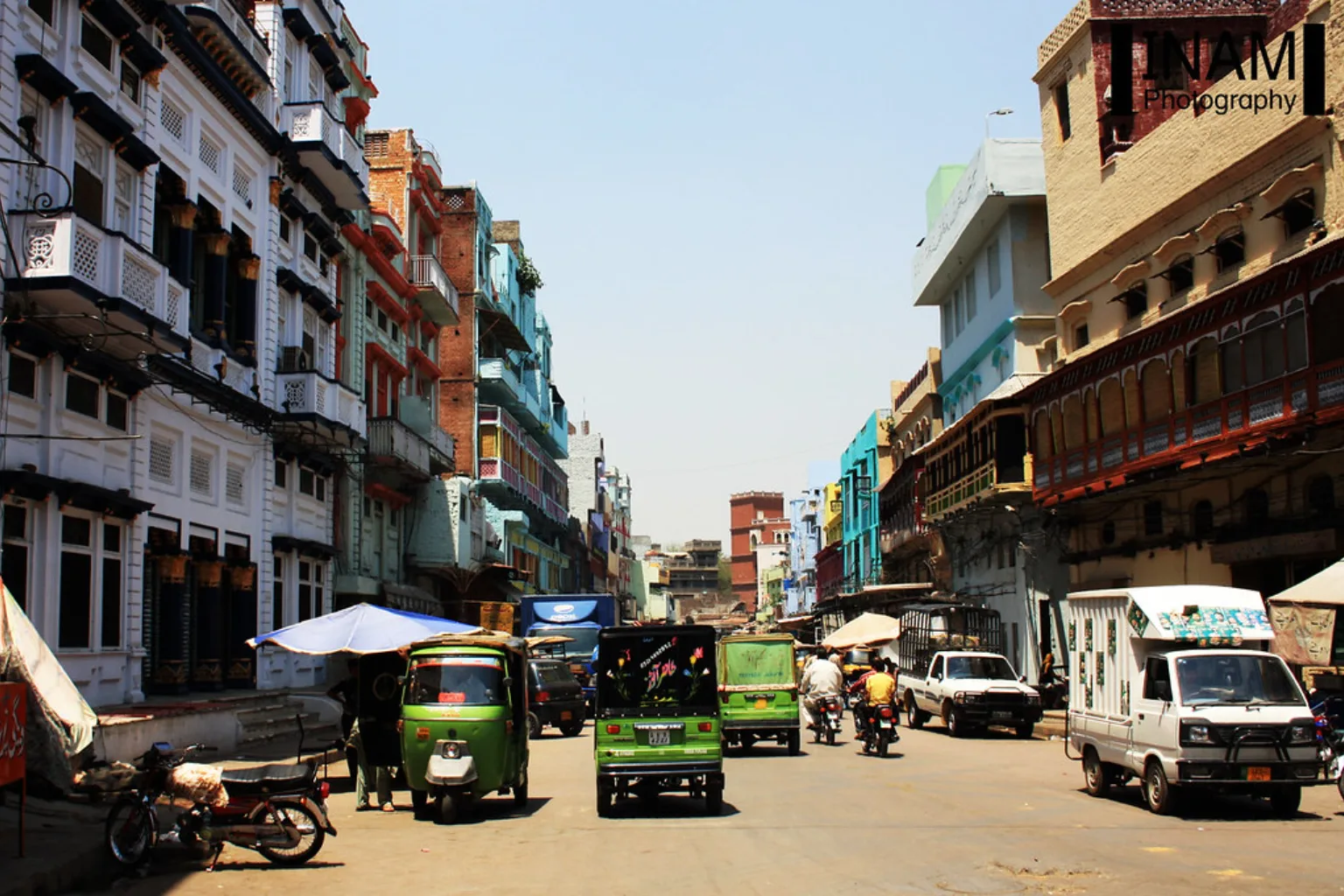
What's the smart riding playbook for 12–14 March 2027?
The 2027-specific notifications aren't out yet — but 2026's regime is the obvious template, and none of the smart moves depend on waiting for it:
- Fit the rod early, at a proper camp or workshop, and check its mounting before the festival — don't join the festival-eve queue.
- Visor down, always, festival week — the face is what the rod and helmet together are protecting.
- Time your rides around the flying peaks — late morning through dusk are the sky's busiest hours; errands at breakfast beat errands at 4pm.
- Prefer big-road routes over lanes threading dense rooftop quarters, where cut kites land most.
- If a line snags you anyway: stop, don't swat at it while moving — most rod-era injuries come from panic reactions, not the string.
- Carry the paperwork, because checkpoints during festival enforcement check everything at once.
And the household version of civic duty: if your own rooftop's cut kite trails line onto a road, clearing it takes one minute and might spare a stranger's worst day.
Frequently asked questions
Is the safety rod mandatory for Basant 2027?
The 2027 notifications aren't issued yet; 2026's rule — mandatory, free installation, FIRs — is the planning assumption. Fit one regardless; the physics doesn't wait for the notification.
Where do you get a safety rod fitted?
In 2026: free camps at major roads and entry routes, plus any bike workshop. Expect the same distribution push if the regime repeats.
Does the rod actually work?
Against cotton line, essentially yes — it deflects easily. Against illegal line it converts the worst outcome into a snag. Either way it's the single highest-value item in festival road safety.
Was riding banned during Basant 2026?
No — riding with the rod and helmet was the requirement, with red zones checked hardest. The rule was equipment, not prohibition.
What if I ride a bicycle or rickshaw?
The mandatory rule targeted motorcycles, but the physics is shared — festival-week awareness (and improvised deflection for cycles) is plain good sense on any open vehicle.
Two wheels, one rod, zero drama
The rod costs minutes, the helmet you already own, and the timing playbook costs nothing — that's the whole price of riding the festival safely. Sort it early, then come to the fun part: the rooftop's kites and string are reservable now, and March needs you arriving in one piece to fly them.
Written by M/S SpeedX Kites, a registered kite seller in Lahore (Reg No. 38731-28012026). If anything here is out of date or wrong, tell us on WhatsApp and we will correct it.
More on rules & safety
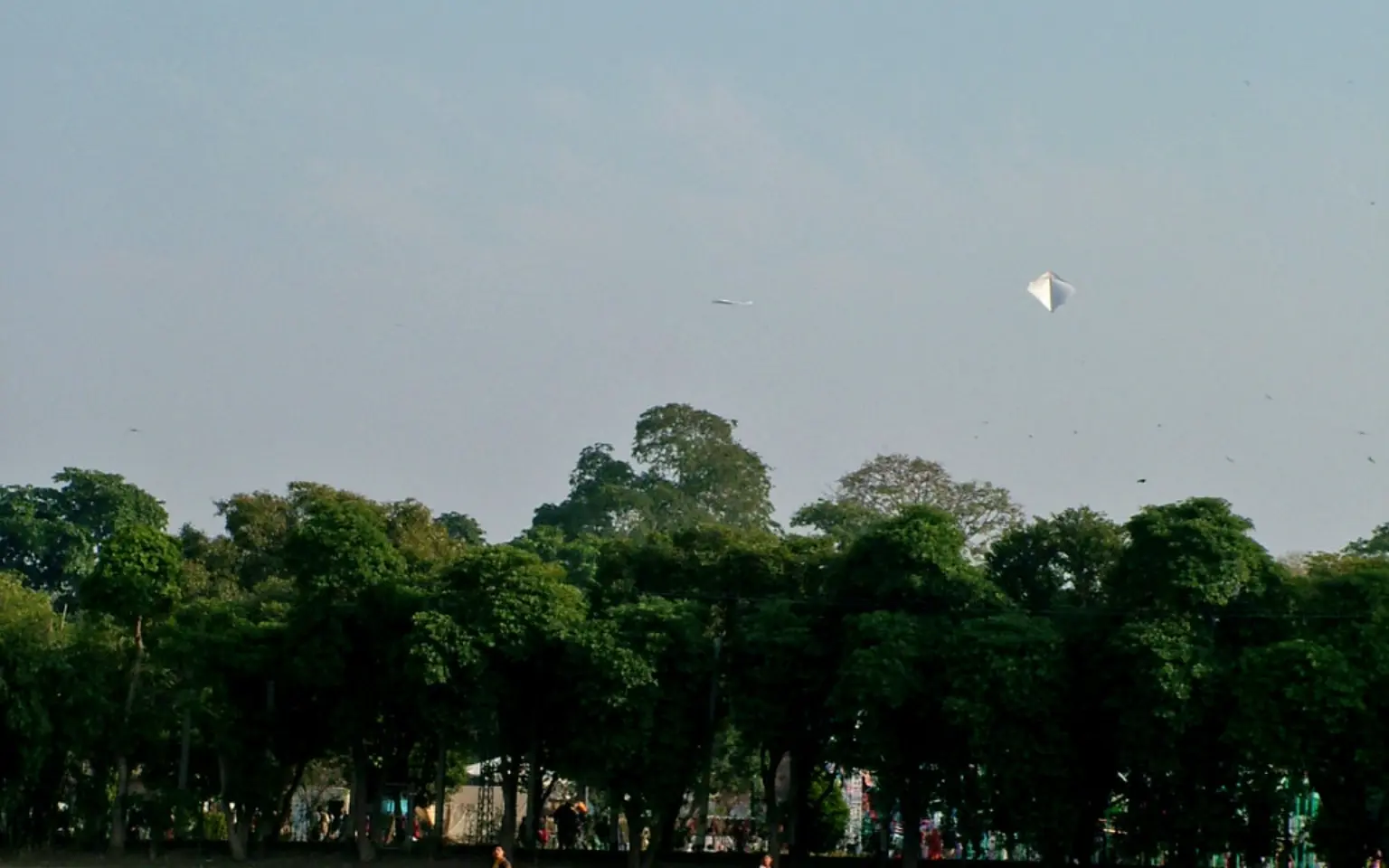
Is kite flying legal in Pakistan right now? The province-by-province answer
It depends on the province and the date. In Punjab, kite flying is legal only during the government's announced festival window and under the 2025 Ordinance's conditions — outside that window it remains prohibited, including in Lahore. In Sindh, kite flying, manufacture and sale are banned outright. Status as of late August 2026: no flying window is open anywhere in Pakistan; the next announced window is Basant 2027, 12–14 March in Lahore.
Kite Flying Punishment in Pakistan: The Actual Fines and Jail Terms, Offence by Offence
The heaviest kite-related punishment in Pakistan targets banned string: making, selling or using metallic wire, nylon or chemical/glass-coated manjha carries three to five years' imprisonment, a fine up to Rs. 2 million, or both, under Punjab's 2025 Ordinance. Flying outside the announced window, selling without registration, and rooftop conduct violations are separate offences with their own consequences — and in Sindh, all kite flying is banned outright.