Basant Zones in Lahore: How the Red, Yellow and Green System Worked in 2026 — and What to Expect for 2027
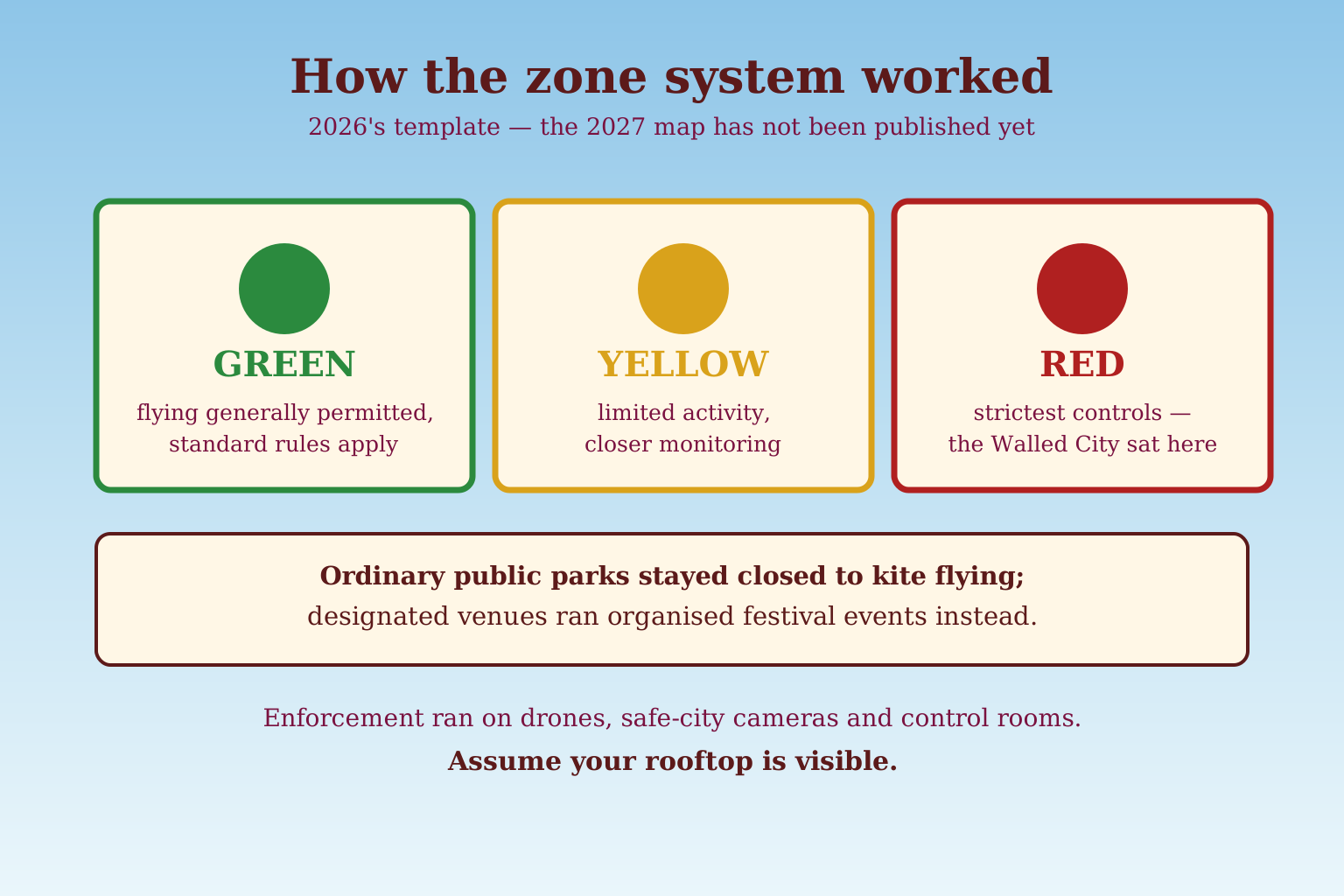
For Basant 2026, Lahore was divided into red, yellow and green zones: green zones permitted rooftop kite flying under the rules, yellow zones allowed limited activity under closer monitoring, and red zones — including the Walled City — faced the strictest controls. Enforcement ran through drones, safe-city cameras and control rooms. The 2027 zone map has not been published yet; expect it with the season's notifications closer to 12–14 March.
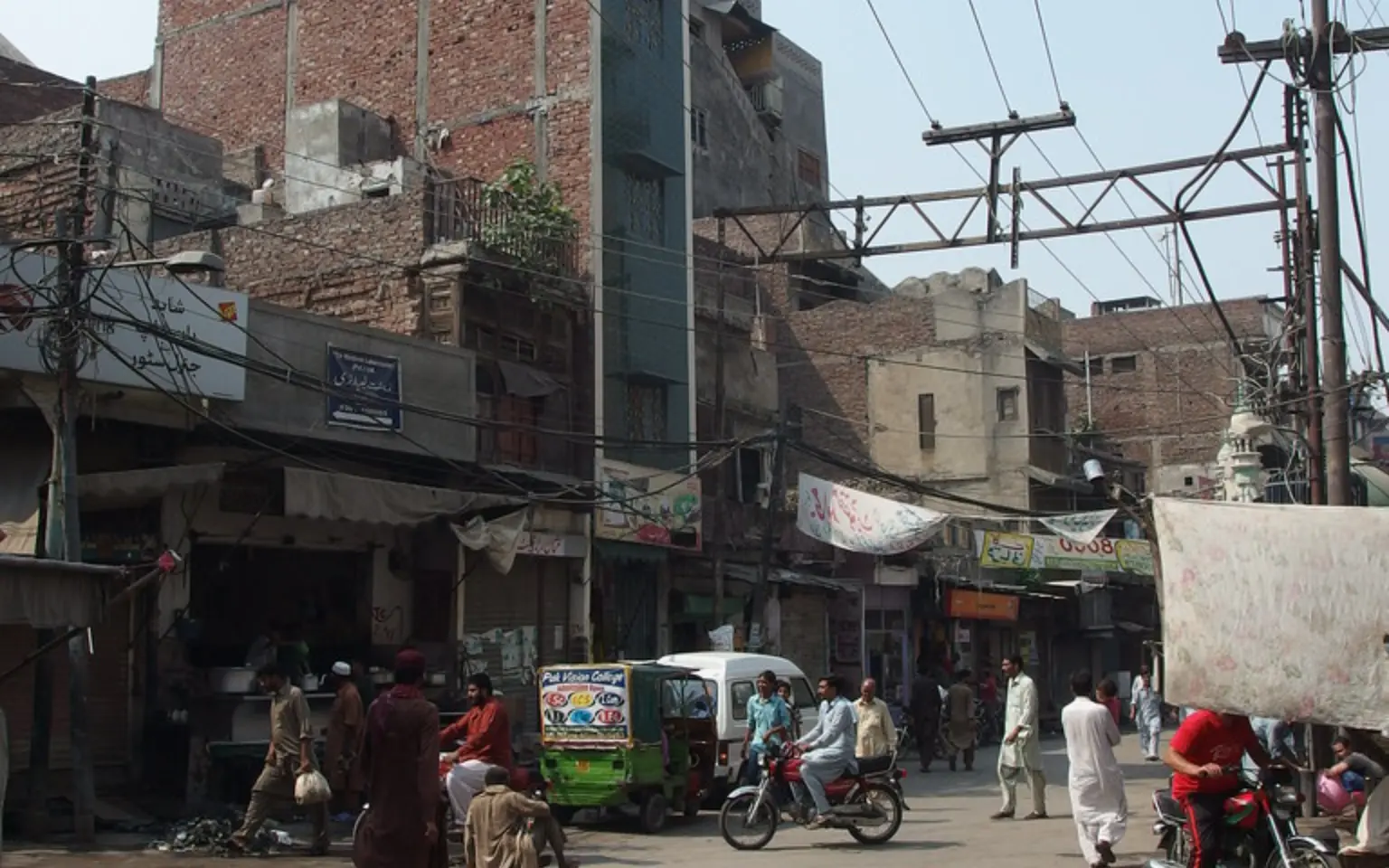
- 2026 used a three-colour system: green (permitted), yellow (limited, monitored), red (strictest control)
- The Walled City was classified red — density and history made it the highest-risk zone
- Ordinary parks stayed off-limits; designated venues like Safari Park hosted organised festival events
- Monitoring was serious: drones, safe-city cameras, social-media surveillance and control rooms
- No 2027 zone map exists yet — anything circulating now is last year's or invented
"Which zone am I in?" became a real Lahore question in February 2026, when the revived festival arrived with a colour-coded map attached. The zone system is how the city squares a mass rooftop festival with public safety — and it's the piece of the rules most likely to be misremembered by March 2027, because the new map isn't out yet. Here's how the system actually worked, what it meant on the ground, and how to read the 2027 version when it lands. We track every notification for our own trade at SpeedX Kites, so this page updates with the map.
What did red, yellow and green mean in 2026?
Per the season's rules coverage, the three colours ranked risk:
- Green zones — kite flying generally permitted, subject to the standard rules (legal equipment, adult flyers, compliant rooftops)
- Yellow zones — limited activity with closer monitoring
- Red zones — the strictest controls, with the Walled City itself classified red along with other high-density or historically sensitive neighbourhoods
The logic wasn't anti-festival — it was load management. The densest quarters carry the most rooftops, the most crowding risk and the most history to protect, so they got the tightest envelope even as the festival's heart kept beating there.
Where was flying actually allowed?
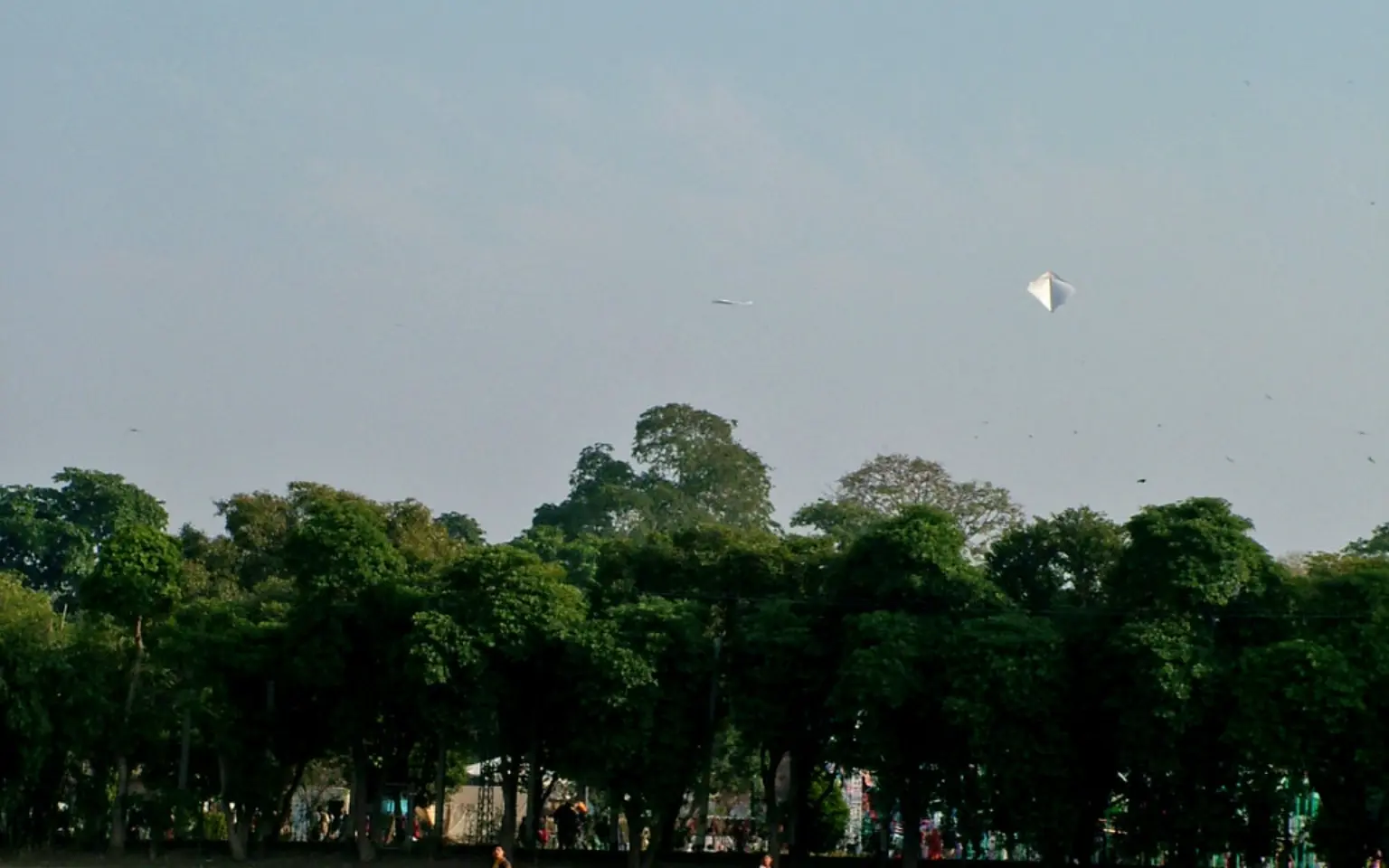
On compliant rooftops per zone rules — and notably NOT in ordinary public parks, where kite flying stayed banned through the festival. The exception was organised venues: Safari Park's open grounds hosted designated festival activities, running ticketed Basant programming from midday into the night alongside the flying.
So the 2026 map really drew three layers: home rooftops (zone-dependent), organised venues (designated), and public parks (closed). If a "park basant" invite circulates for 2027, check which layer it belongs to before believing it.
How was the zone system enforced?
Visibly. The city ran the festival under drones, safe-city cameras, social-media surveillance and dedicated control rooms, with a comprehensive security plan finalised before the first kite went up. Zone boundaries also shaped road-level enforcement — the motorcycle safety-rod requirement was policed hardest around red-zone entries.
The practical takeaway for a host: assume your rooftop is visible. 2026's enforcement model made compliance the low-stress option, which — from where we sit — is exactly what kept the festival's licence to continue.
What will the 2027 zones look like?
Unpublished as of late August 2026 — the honest status. The 2027 season's framework so far covers rooftop safety rules with their 30 December implementation deadline; the zone map, like the holidays and the sale window, belongs to the notifications that land nearer the festival.
Reasonable expectations, clearly labelled as expectations: a colour system again, the Walled City treated cautiously again, and organised venues again — because 2026's model is the only tested template. When the map publishes, our Basant 2027 hub will carry it the same day, and this page gets the update.
Frequently asked questions
Which zone is my area in for Basant 2027?
No 2027 map exists yet. When it's issued with the season's notifications, check the official announcement rather than shared graphics — 2026's map will circulate as if current.
Was kite flying banned in the Walled City in 2026?
The Walled City was a red zone — the strictest tier — not a festival-free zone. Its historic rooftops still hosted (heavily monitored) celebrations, and its lanes remained the trade's heart.
Can you fly kites in Lahore's parks during Basant?
Ordinary parks stayed closed to kite flying in 2026; designated venues like Safari Park ran organised festival events instead.
Do zones change the equipment rules?
No — legal kites, cotton pinna and adult flyers apply everywhere. Zones change monitoring intensity and what's permitted locally, not the fundamentals.
Where do I check zone announcements?
The district administration's official channels — and we mirror each one, sourced, on the Basant 2027 page.
Wherever your roof lands on the map
Zones decide how closely the festival is watched; your preparation decides how it feels. Get the part you control settled — kites and pinna reserved, roof brought up to the 2027 rules — and March's colour-coding becomes a detail, not a scramble.
Written by M/S SpeedX Kites, a registered kite seller in Lahore (Reg No. 38731-28012026). If anything here is out of date or wrong, tell us on WhatsApp and we will correct it.
More on rules & safety
Is kite flying legal in Pakistan right now? The province-by-province answer
It depends on the province and the date. In Punjab, kite flying is legal only during the government's announced festival window and under the 2025 Ordinance's conditions — outside that window it remains prohibited, including in Lahore. In Sindh, kite flying, manufacture and sale are banned outright. Status as of late August 2026: no flying window is open anywhere in Pakistan; the next announced window is Basant 2027, 12–14 March in Lahore.
Kite Flying Punishment in Pakistan: The Actual Fines and Jail Terms, Offence by Offence
The heaviest kite-related punishment in Pakistan targets banned string: making, selling or using metallic wire, nylon or chemical/glass-coated manjha carries three to five years' imprisonment, a fine up to Rs. 2 million, or both, under Punjab's 2025 Ordinance. Flying outside the announced window, selling without registration, and rooftop conduct violations are separate offences with their own consequences — and in Sindh, all kite flying is banned outright.