Kite String Injuries: How They Actually Happen, and the Two-Minute Preventions
Kite string injuries split into two very different classes. Legal cotton line causes friction cuts and burns to the hands of flyers during launches, duels and gusts — painful, preventable with gloves or finger guards, rarely serious. Banned coated and metallic lines caused the second class: deep lacerations to motorcyclists and bystanders at street level, and electrocutions — the injuries behind the ban era, addressed today by the cotton-only law, the bike safety-rod rule, and enforcement.
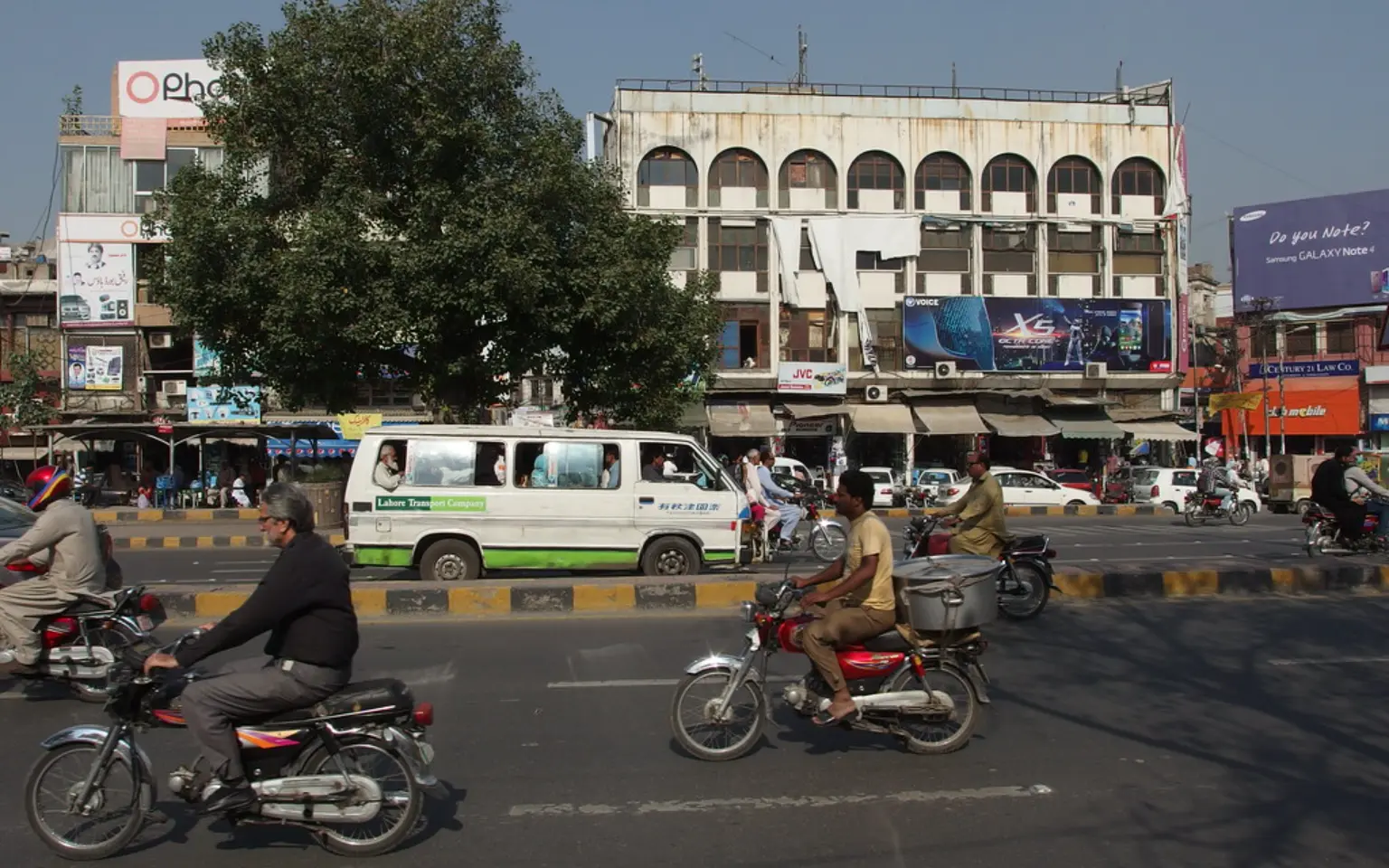
- Class one: flyer hand cuts from cotton under load — prevented by gloves, technique and respect for gusts
- Class two: the road-level lacerations of the coated-string era — prevented by the ban itself and the safety-rod rule
- 2026's bike rule was serious: rods mandatory, free installation citywide, FIRs for refusal
- Line tension is the injury variable — a slack line cannot cut what a loaded line can
- First aid for line cuts is basic wound care; road incidents are Rescue 1122 territory
Kite string injury is really two subjects wearing one name, and confusing them produces bad advice in both directions. The cuts a flyer risks from legal cotton are real but modest and mostly preventable at the cost of a pair of gloves. The horrific injuries of the ban era belonged to a different object entirely — the coated line the law has since criminalised. This guide treats each class properly: mechanism, prevention, first response. It's written by a shop that handles string all season and would rather sell you honesty than fear.
How does legal cotton line injure flyers?
Through friction under load. A 9-ply cotton line holding a pulling kite carries genuine tension, and three moments concentrate it against skin:
- The gust grab — instinctively clamping bare fingers on a line as a gust loads it; the line saws as it runs.
- The duel — pecha work means deliberate tension and fast line movement, the highest-friction minutes of the day.
- The launch and the wind-in — line running over static fingers instead of being guided.
Results run from red friction lines to genuine cuts across finger creases. Prevention is unglamorous and near-total: gloves or a cotton finger-wrap for anyone flying heavy kites or fighting duels, letting line RUN rather than clamping it during gusts, and guiding running line over something other than bare skin. We don't sell gloves — buy them anyway; it's the cheapest prevention at the festival.
What made the old injuries so much worse?
The line itself was a blade. Glass and chemical coatings turned string into an abrasive edge; metallic wire added conductivity. At rooftop level that endangered hands — at street level it was lethal, because every cut kite trails its line across roads at exactly the height of a motorcyclist's throat, the injury that defined the ban era. Wire on power infrastructure added electrocution to the list.
That's the class the law now attacks on three fronts: the cotton-only rule with its criminal penalties, festival enforcement, and — because trailing line can't be eliminated entirely, even cotton — protection for the road itself.
What is the bike safety rod, and does it work?
A vertical rod or "antenna" fixed at the front of a motorcycle that catches and deflects any string crossing the road before it reaches the rider's neck and face. For Basant 2026, Lahore made it mandatory — no rod, no road, under Section 144, with free installation camps across the city distributing on the order of a million rods and FIRs registered against riders without one.
Against cotton line the rod is close to full protection — cotton deflects easily. Its enforcement seriousness is really aimed at the residual risk of illegal line, which is why our motorcycle-season guide treats the rod as non-negotiable riding equipment for the festival week, rules or no rules.
What's the right first response to each injury?
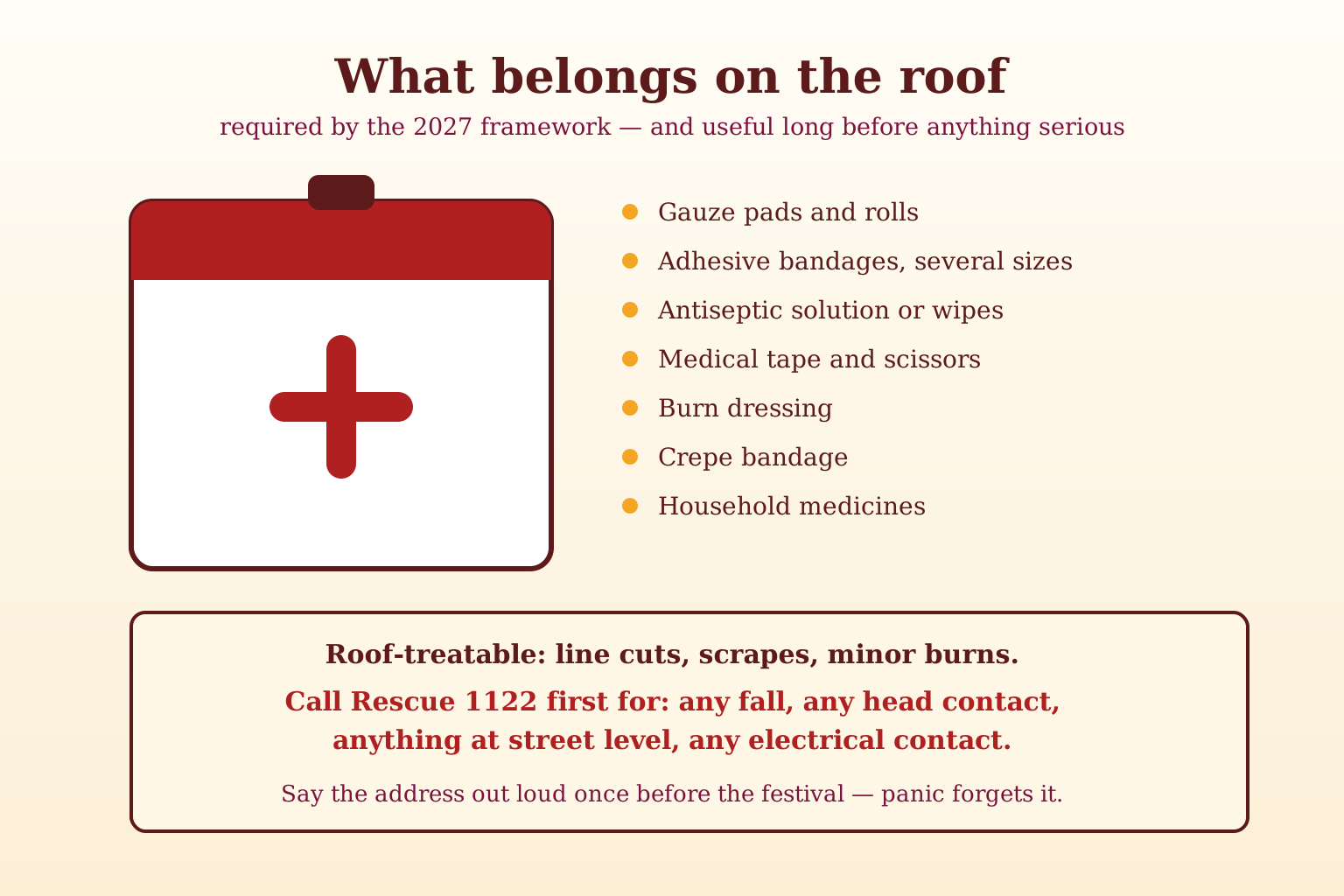
Flyer hand cuts: ordinary wound care — pressure to stop bleeding, clean, antiseptic, dress. The required rooftop first-aid kit covers it; deep cuts across joints deserve a clinic visit.
Any road-level string incident: treat as serious immediately — pressure on the wound, call Rescue 1122, don't ride on adrenaline. Neck injuries from line are emergencies regardless of how they look in the first minute.
And the civic response: a road incident implies illegal line in the air. Reporting it — festival seasons run dedicated control rooms — is how one injury prevents the next.
Frequently asked questions
Can cotton kite string really cut you?
Under load, across moving skin — yes, hands especially. It cannot do what coated line did at road level; the classes are physically different.
Do I need gloves for kite flying?
For heavy kites, duels, or a full day's flying: strongly yes. Casual light-wind flying is gentler, but gloves are cheap insurance either way.
Are kite string injuries still common at Basant?
Hand cuts, yes — minor and preventable. The road-laceration class collapsed with the cotton-only law; keeping it collapsed is what the string rules are for.
Is the bike safety rod required for 2027?
The 2027 season's specific notifications aren't out yet, but 2026's precedent — mandatory, free installation, enforced — is the planning assumption. Fit one regardless; it works.
What should be in the first-aid kit for string cuts?
Gauze, bandages, antiseptic, tape — the basics handle line cuts. It's a legally required kit under the rooftop rules anyway.
Respect the line, keep the day
String deserves respect, not fear: gloves on the duellists, line never clamped in a gust, cotton and only cotton on the charkhi. Do that and this whole page stays theoretical. The legal-line half is ours to supply — nine-ply cotton, verified and reservable — and the gloves are your errand this week.
Written by M/S SpeedX Kites, a registered kite seller in Lahore (Reg No. 38731-28012026). If anything here is out of date or wrong, tell us on WhatsApp and we will correct it.
More on rules & safety
Is kite flying legal in Pakistan right now? The province-by-province answer
It depends on the province and the date. In Punjab, kite flying is legal only during the government's announced festival window and under the 2025 Ordinance's conditions — outside that window it remains prohibited, including in Lahore. In Sindh, kite flying, manufacture and sale are banned outright. Status as of late August 2026: no flying window is open anywhere in Pakistan; the next announced window is Basant 2027, 12–14 March in Lahore.
Kite Flying Punishment in Pakistan: The Actual Fines and Jail Terms, Offence by Offence
The heaviest kite-related punishment in Pakistan targets banned string: making, selling or using metallic wire, nylon or chemical/glass-coated manjha carries three to five years' imprisonment, a fine up to Rs. 2 million, or both, under Punjab's 2025 Ordinance. Flying outside the announced window, selling without registration, and rooftop conduct violations are separate offences with their own consequences — and in Sindh, all kite flying is banned outright.