Skip to content

Pre-bookings only — nothing ships until sale is permitted

Kite flying is legal in Punjab only during the announced festival window. Until the government permits sale for Basant 2027, we take reservations only: reserve free and pay the market rate on delivery day, or pay 50% now to lock today's price. Nothing ships before sale is permitted.

How pre-booking works

Registered seller · Reg No. 38731-28012026

QR-verified stock · Legal cotton pinna only · Free to pre-book

Buying guides

Kite classes, sizes, string ply and prices — what to buy and what it should cost.

15 guides

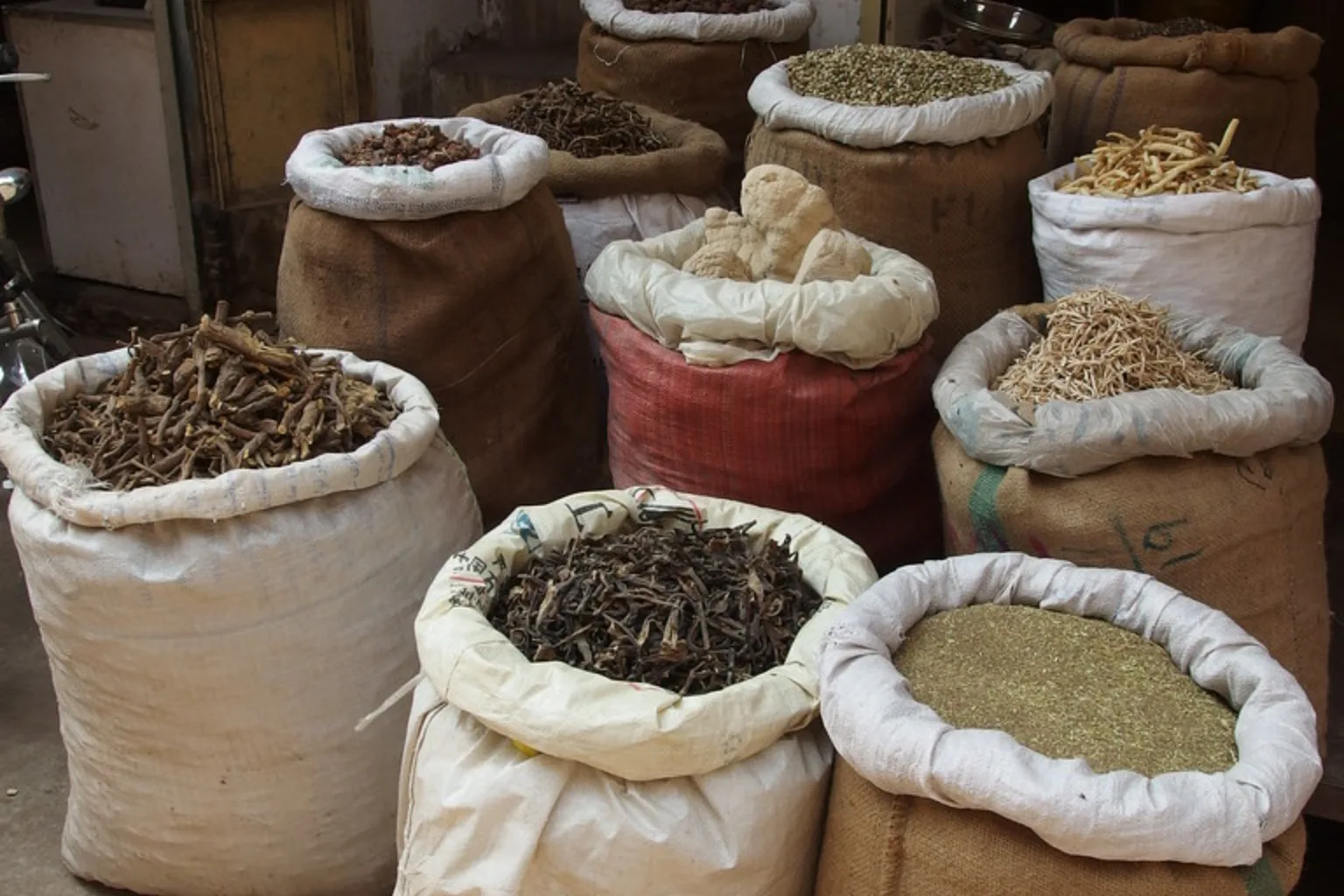
Open sacks of spices in a walled-city bazaar, Lahore
Buying guides

Dor and Pinna Prices in Pakistan: What 2, 4 and 6 Pieces Actually Cost, and Why Quotes Differ So Much

Legal 9-ply cotton dor sells by the piece — 1,000 yards of wound thread — usually as 2, 4 or 6-piece pinna balls. As of 28 August 2026, our shelf runs Rs. 6,000–7,800 per 2 pieces (2,000 yards) depending on the string name, with 4 and 6-piece balls at exact multiples. In the 2026 season, comparable 2-piece balls quoted anywhere from Rs. 5,000 to Rs. 8,500 across sellers — the spread comes from name premiums, timing, and balls that aren't the length claimed.

5 min read
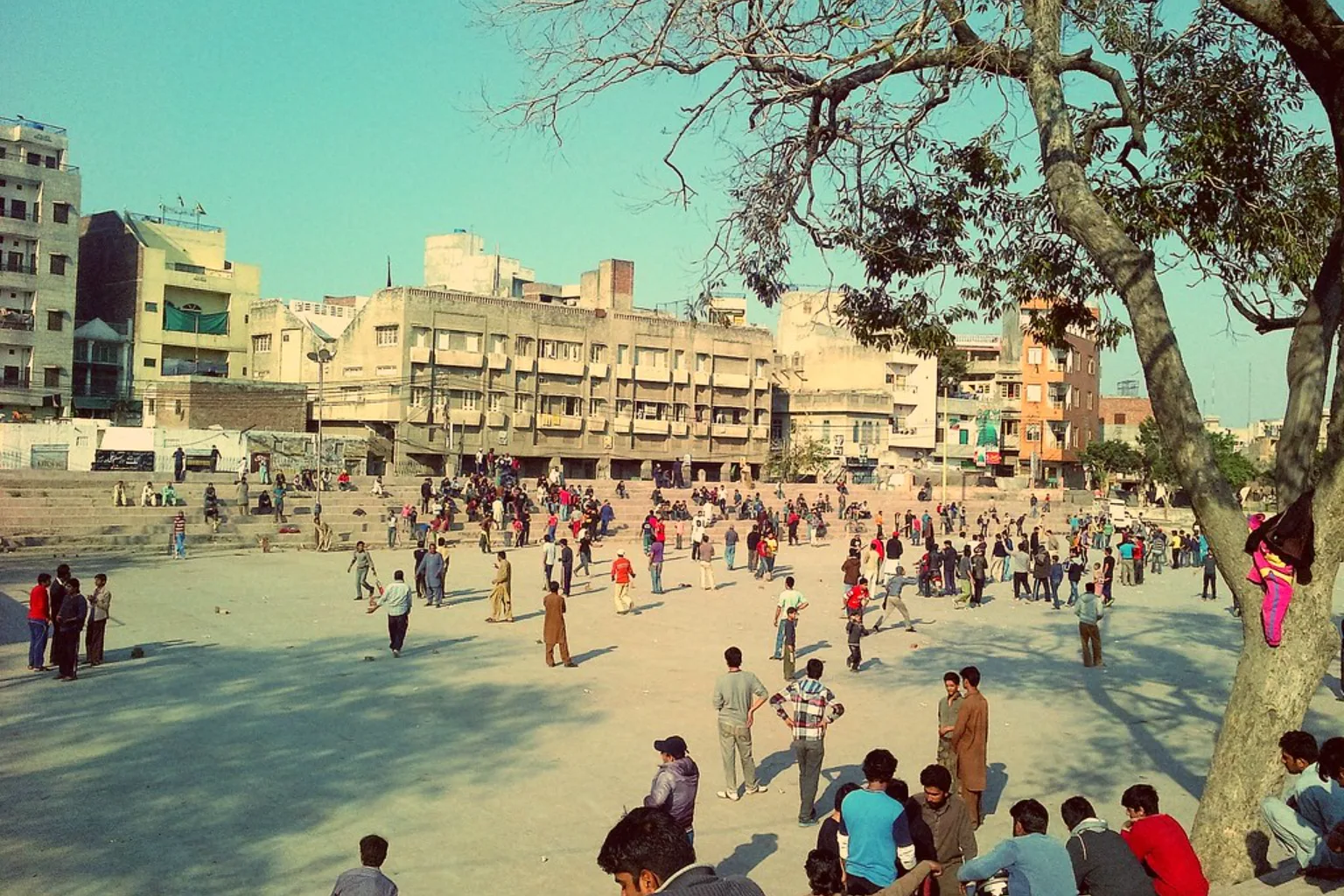
A crowd gathered on the open ground inside Mochi Gate, Lahore
Buying guides

Patang Prices in Pakistan: Why the Big Kite Costs What It Costs

Patang pricing follows the making: more paper (higher githi), more bamboo work and a properly tensioned bow cost real craft hours, so a serious patang costs several times a small commodity kite. As of 28 August 2026 our 4.5 githi patang lists at Rs. 1,500 single or Rs. 18,000 for a raqam (the patang dozen), against 2026-season commodity patang at Rs. 800–900. Prices climb hardest in the season's final week.

5 min read
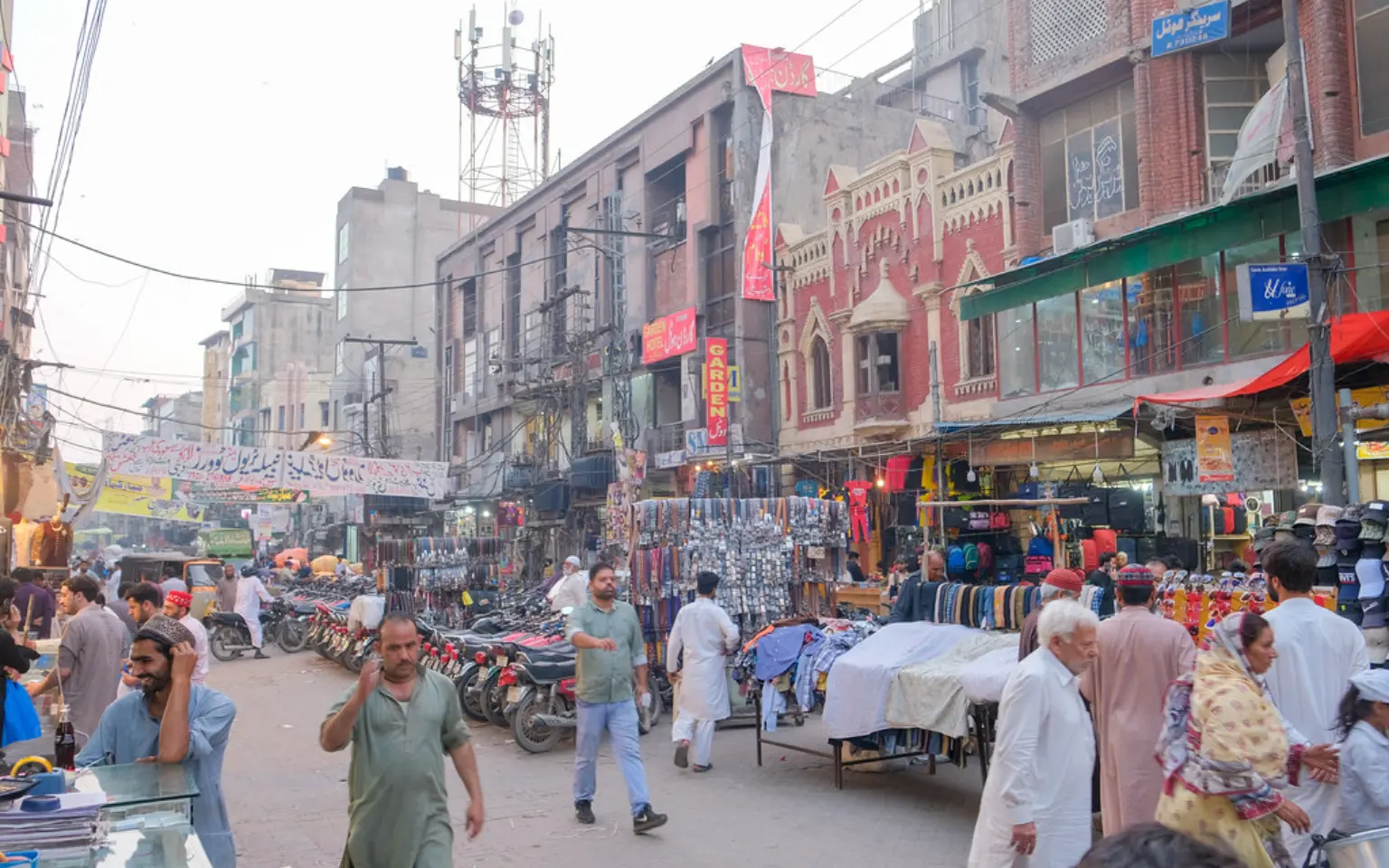
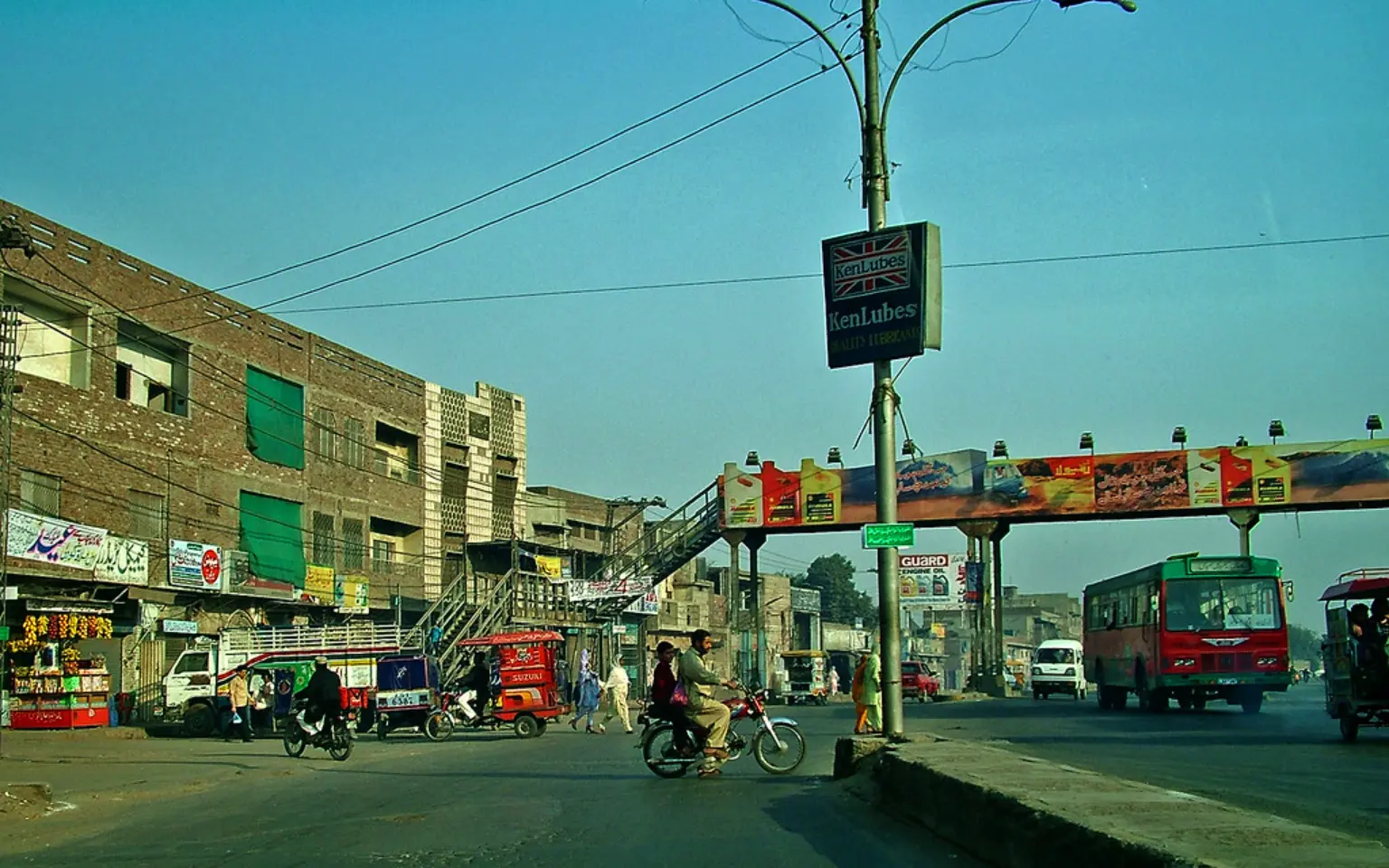
Shoppers and motorbikes in Anarkali market, Lahore
Buying guides

Gudda Kites: Grades, Designs and Honest Prices — the Buyer's Single Page

The gudda is the broad, steady workhorse kite of Lahore rooftops — easier to fly than a big patang, with real pull once the wind rises. It's graded by paper quantity in tawa: 1 tawa (Rs. 300 today) is the sensible first kite, 1.5 tawa (Rs. 450) the step up, and the Fancy (Rs. 650) is the same 1.5 frame wearing printed designs — taj circles, card suits — that stay recognisable at full line.

5 min read
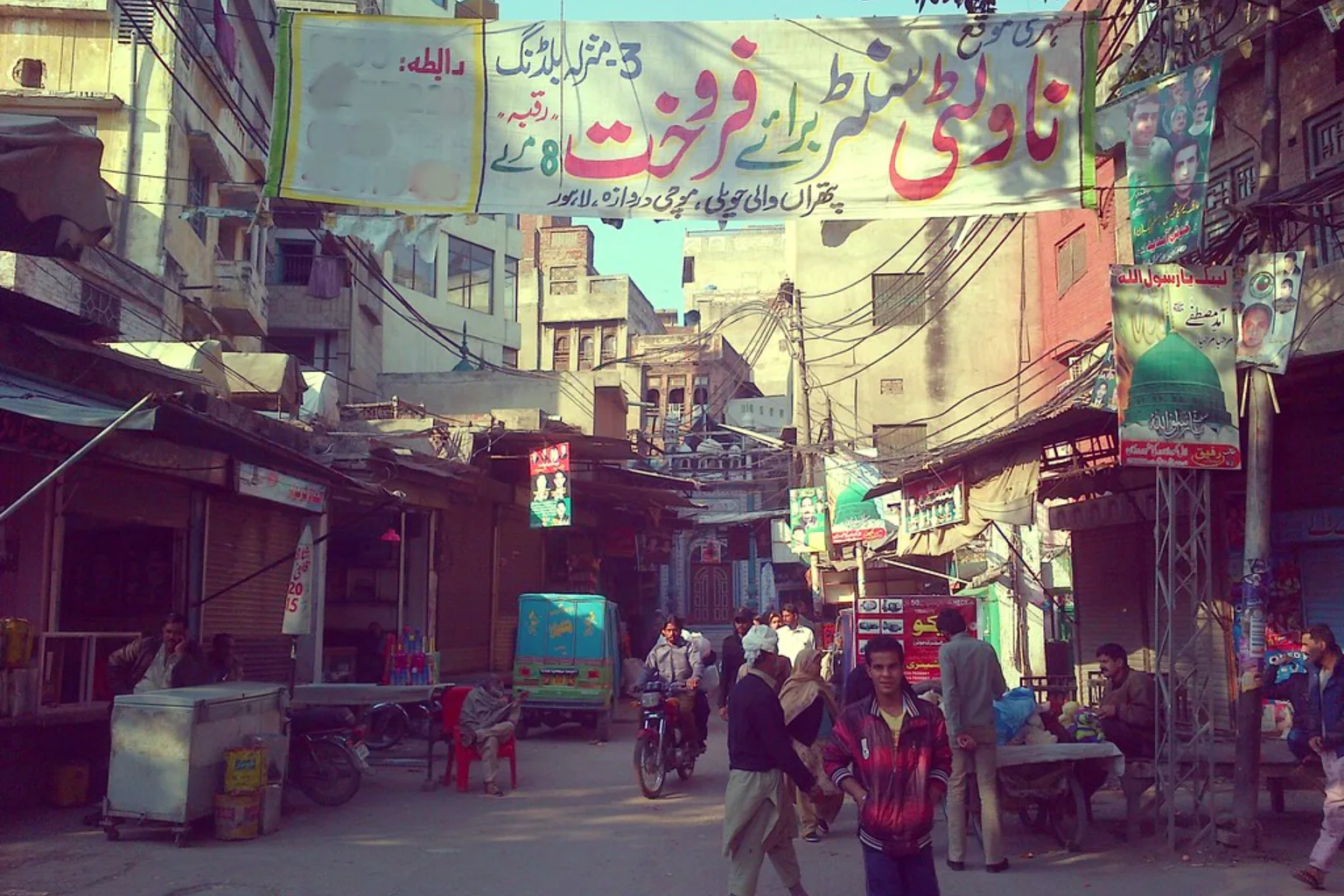
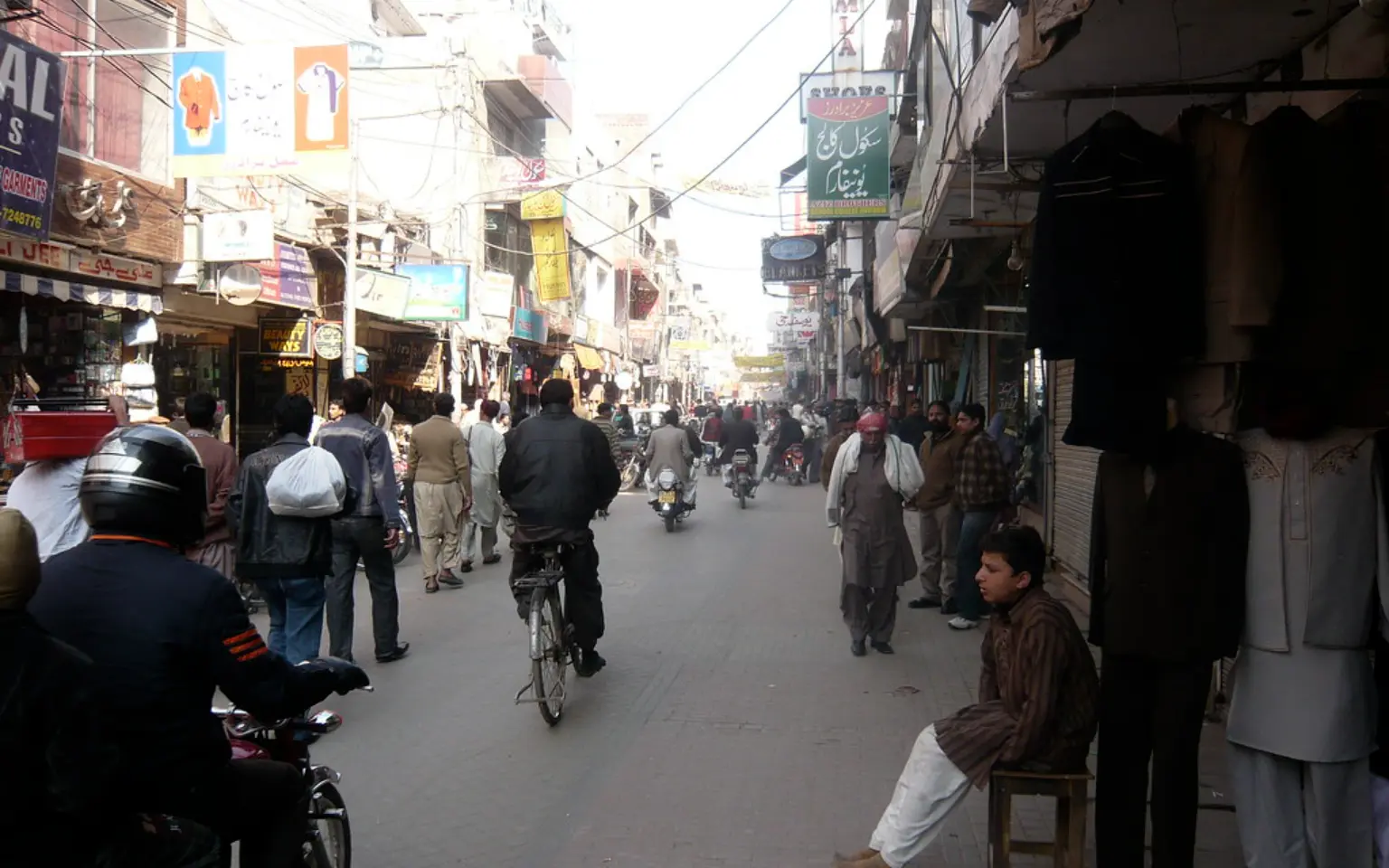
A Lahore street lined with shops and rickshaws
Buying guides

Buying Kites Online in Pakistan: COD, Deposits, and the Checks That Protect You

Buying kites online in Pakistan is legitimate when three checks pass: the seller holds (and shows) government registration, the stock is QR-verifiable to a licensed manufacturer, and the delivery terms respect the law — nothing ships outside the permitted sale window, with cash-on-delivery or a clearly refundable deposit. Any seller failing a check, or promising delivery "right now" out of season, is the listing to close.

5 min read
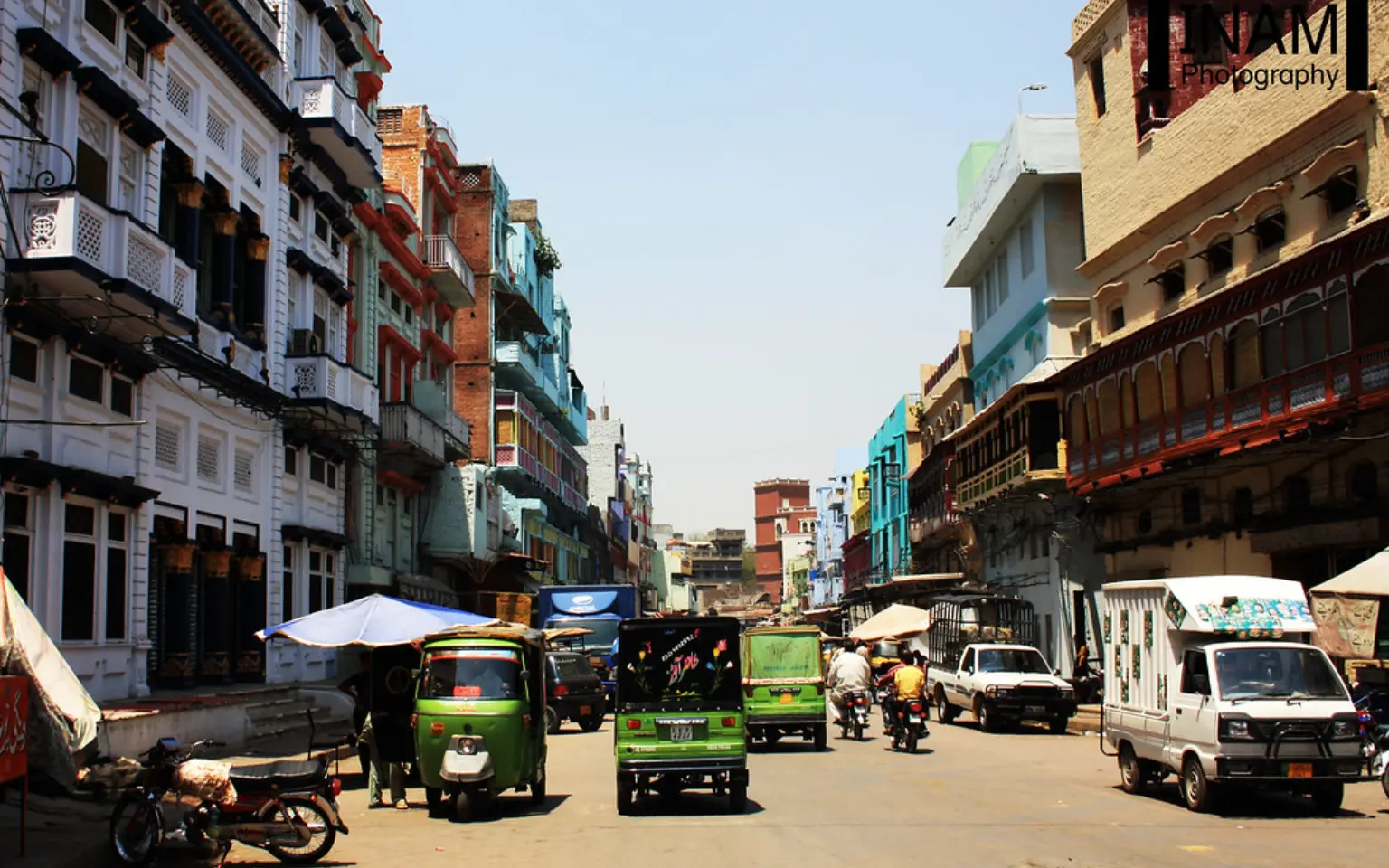
Balconied shopfronts along a street in Gawalmandi, Lahore
Buying guides

1 Tawa or 1.5 Tawa Gudda: Which One Should Your Rooftop Pre-Book?

Book the 1 tawa gudda (Rs. 300 today) if this is your first season back, your rooftop is enclosed, or your wind arrives soft and swirling — it forgives everything a returning flyer does. Book the 1.5 tawa (Rs. 450) if you flew last season and your roof catches clean wind — the extra paper climbs harder and holds duels steadier. Most rooftops book both: 1 tawa as the fleet, 1.5 as the sharp end.

4 min read
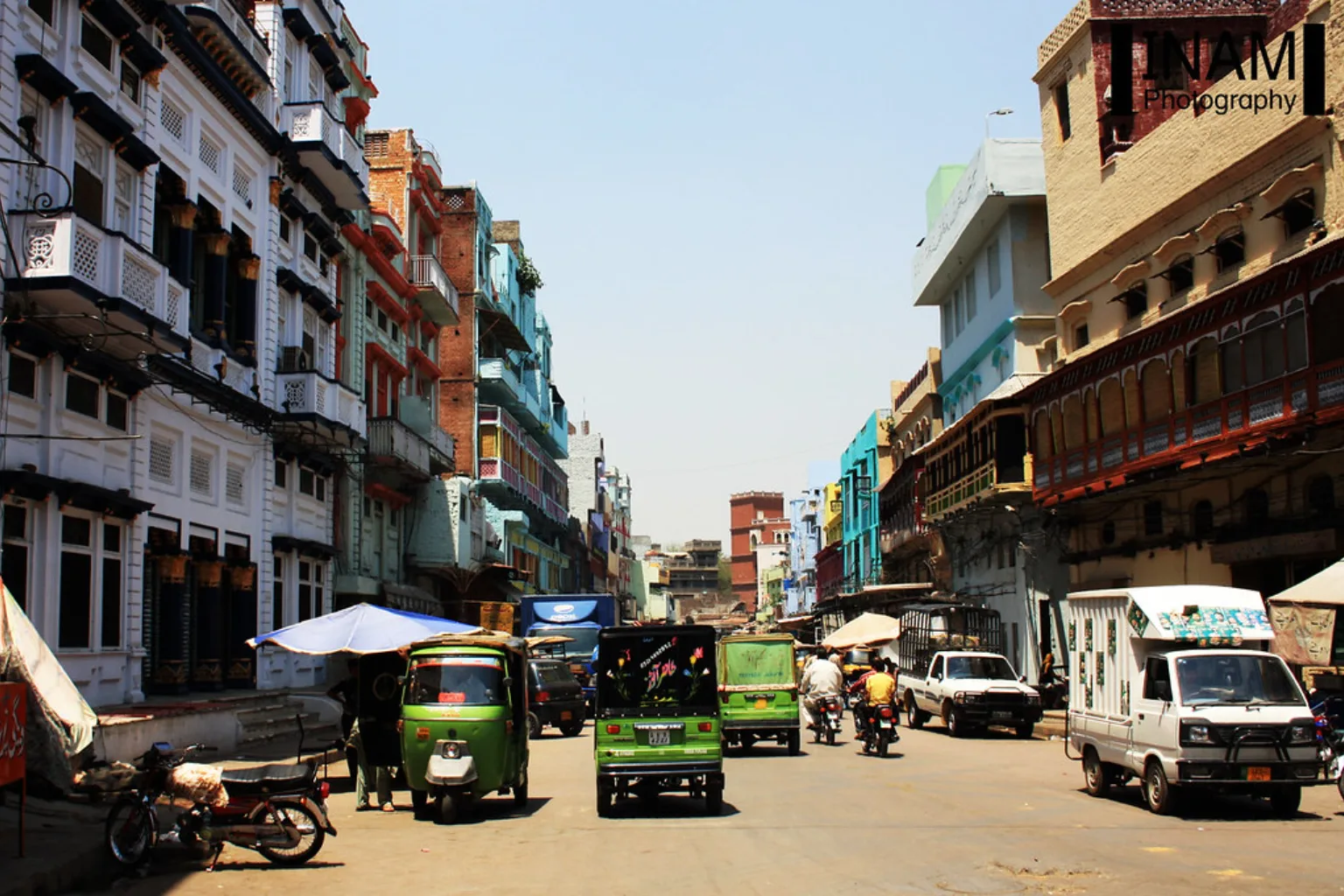
Rickshaws and traffic on a busy Gawalmandi street, Lahore
Buying guides

Githi Patang Sizes: 3 to 6 Githi, Measured and Explained

Githi is the patang's paper-quantity grading — the patang equivalent of the gudda's tawa system. The ladder people actually search runs 3, 3.5, 4, 4.5, 5 and 6 githi, climbing from manageable rooftop patang to expert-only frames. More githi means more paper, a stronger bow, more wind required and harder pull — and above the mid-grades, kites that exceed the legal size caps or the average rooftop's conditions stop being sensible buys.

5 min read
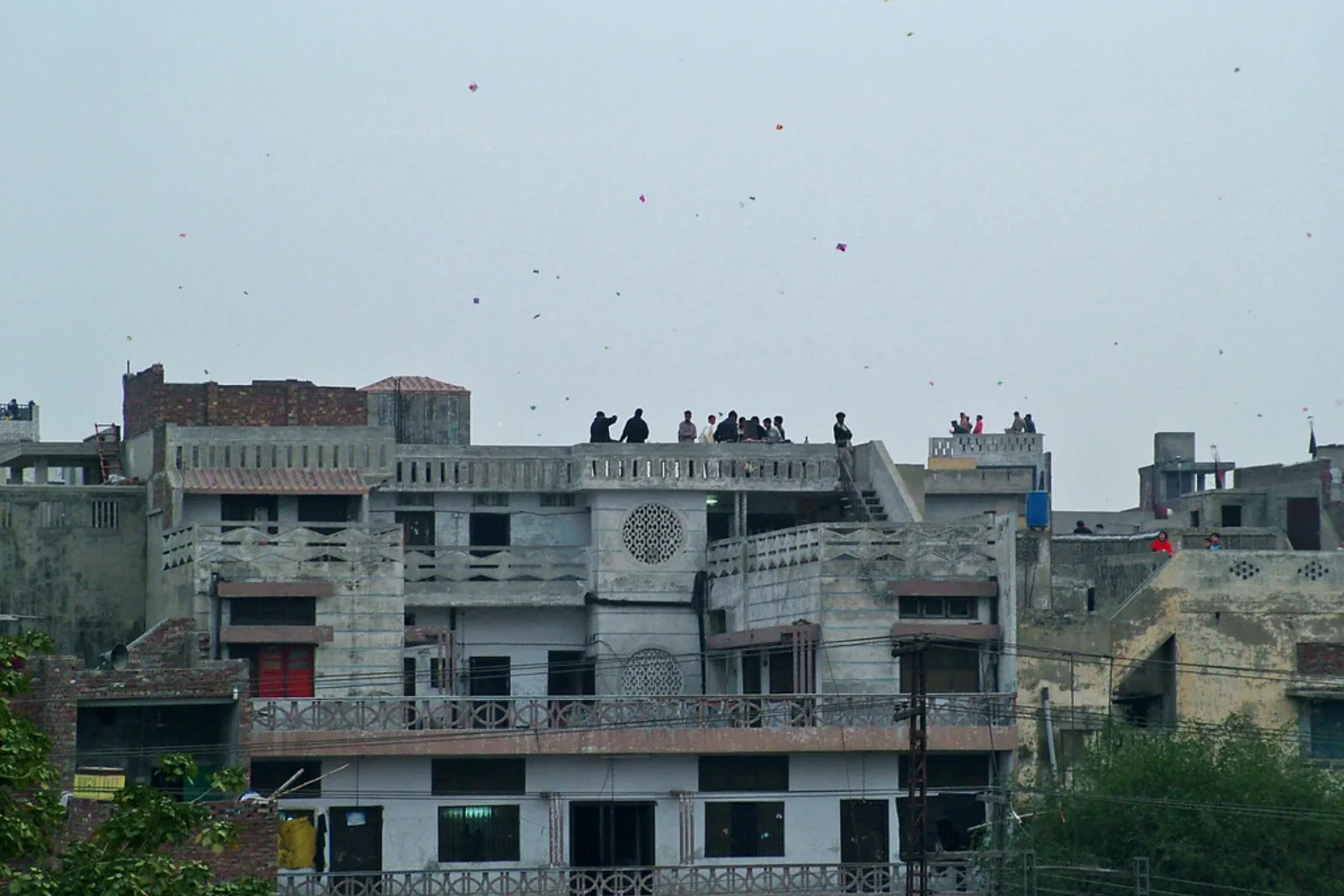
Children flying kites over open ground in Lahore
Buying guides

How to Fly a Patang: A Beginner's Guide for the First Basant Back

Flying a patang is a two-person launch followed by one repeated skill: the pinch-and-release. A partner holds the kite downwind and lofts it on your signal; you take up tension, then climb by alternating short, firm tugs (which pitch the kite's nose up) with controlled line release (which lets it rise). Height comes from rhythm, not strength — and control comes from keeping just enough tension that the kite always answers your hand.

5 min read
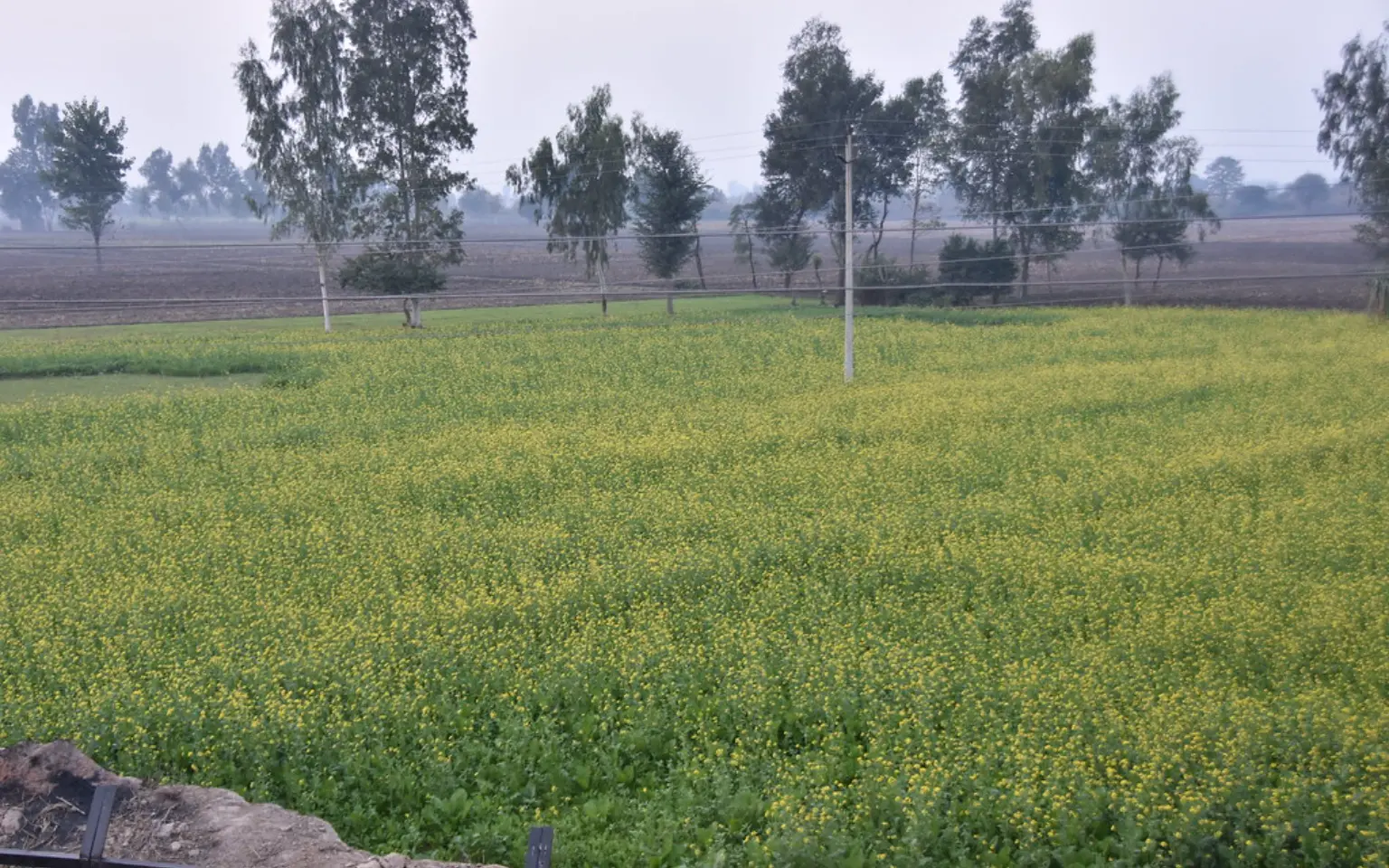
Mustard fields on the Punjab plain — the crop the festival is named for
Buying guides

Minimum Wind for Kite Flying — and What Lahore's Sky Gives You, Month by Month

Light paper kites fly from roughly 5–8 km/h of steady breeze; a 1 tawa gudda wants 8–15 km/h; heavier grades — 1.5 tawa and serious githi patang — perform from the mid-teens upward. Lahore's festival months sit right in that band: February averages around 14–15 km/h winds with ~24°C highs, and March brings warmer afternoons whose thermal stirring favours the bigger kites — one quiet advantage of Basant 2027's 12–14 March dates.

5 min read
A shopfront hung with bright goods inside Lahore's walled city
Buying guides

Kite String, Decoded: What 9-Ply Cotton Means and Why It's the Only Legal Choice

Legal kite string in Punjab is thread-based cotton — the 2026 specification allowed a maximum of 9 threads (9-tar), wound in round pinna balls. "Ply" (or cord/tar) counts the threads twisted together; "glace" describes the smooth polished finish of quality cotton lines; and the numbers in traditional string names — 8 Chain, 100 Escort, 35 Minar — are brand identity, not measurements. Everything coated, synthetic or metallic sits outside the law entirely.

5 min read