Kite prices in Lahore: what patang, gudda and dor actually cost
Kite prices in Lahore move daily through Basant season. Gudda ran roughly Rs. 60–200 each at the 2026 festival and cotton pinna Rs. 4,000–12,000 a spool, depending on ply. Here is the reference table, and what we currently charge.
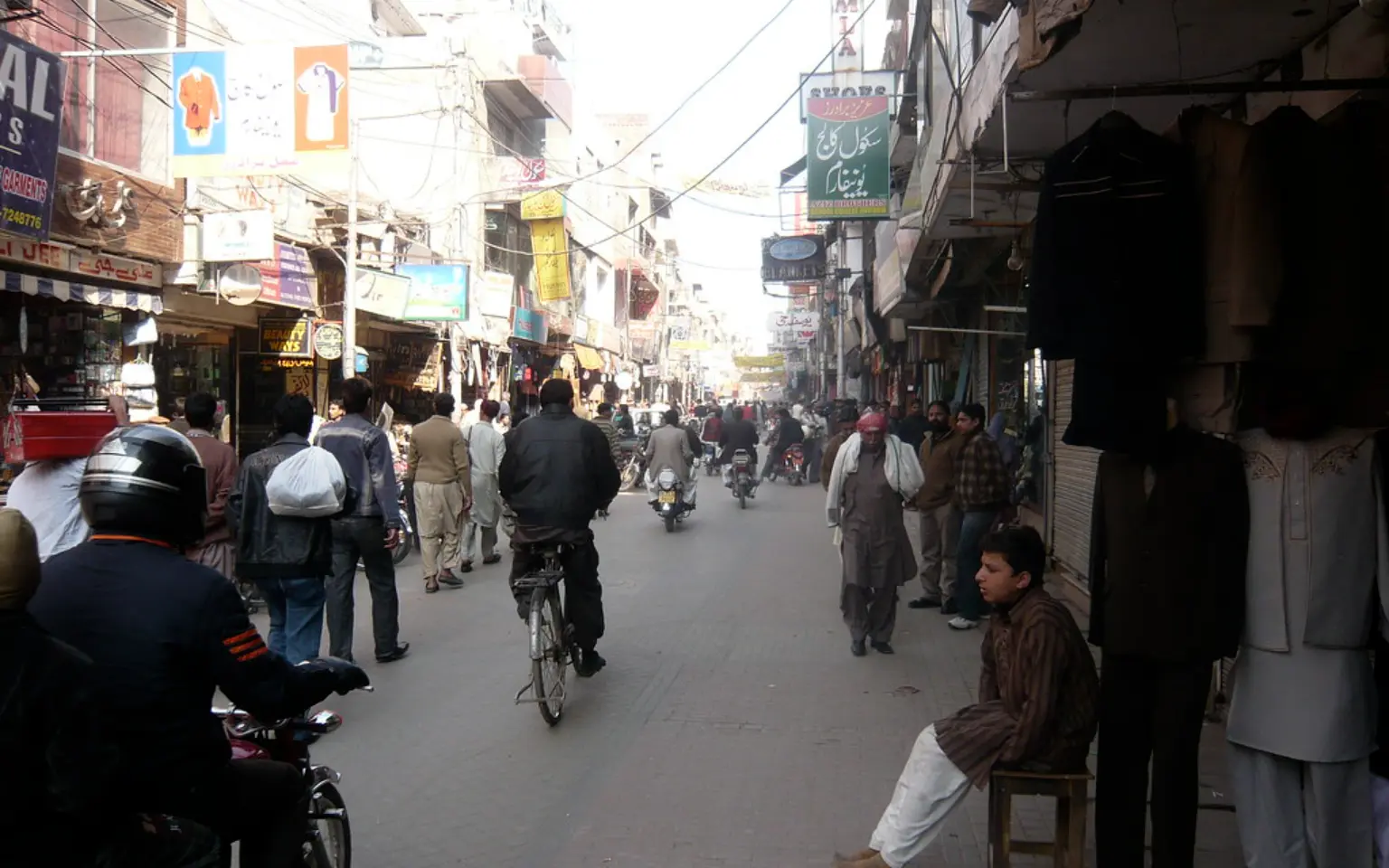
What did kites cost at Basant 2026?
At Basant 2026, gudda sold for roughly Rs. 60 to Rs. 200 each depending on grade, and cotton pinna ran Rs. 4,000 to Rs. 12,000 per spool by ply count. Prices at Mochi Gate moved daily as the festival approached, with the sharpest rises in the final week.
Those are market-observed ranges from the 2026 festival, not our prices. We publish them because the question people actually ask is not 'what do you charge' but 'am I being overcharged' — and until now the only public answer was a page that stopped updating in February.
| Item | Grade | Observed 2026 range |
|---|---|---|
| Gudda | Adha to 1.5 tawa | Rs. 60 – 200 each |
| Patang | Standard, by the dozen | Rs. 1,200 – 2,400 per dozen |
| Cotton pinna | 9 to 12 ply | Rs. 4,000 – 7,000 per spool |
| Cotton dor | 14 to 18 ply | Rs. 7,000 – 12,000 per spool |
| Charkhi | Medium to large | Rs. 800 – 2,500 |
Why do prices move so much during Basant?
Supply is fixed and demand is compressed into days. Only four Punjab districts are licensed to manufacture kite-flying material, so stock cannot expand to meet a spike. Rates at Mochi Gate were reported fluctuating daily through the 2026 season, rising steeply in the final week.
The licensing regime is the reason. Manufacturing is restricted to four approved districts, which keeps supply verifiable but also keeps it inelastic. When a city that has not flown legally in eighteen years all decides to buy in the same fortnight, the price does what prices do.
The practical consequence for a buyer is simple: the cost of ordering early is close to zero, and the cost of ordering late is both a higher price and a real chance the courier does not reach you before the festival.
What do we charge?
Our current rates run from Rs. 300 for a 1 tawa gudda to Rs. 1,500 for a 4.5 githi patang, and Rs. 6,000 to Rs. 7,800 per 2-piece ball (2,000 yards) across our eight 9-ply pinna names. Every price on the site is today's live rate, and every kite carries the government QR sticker naming its licensed manufacturer.
We price against supplier quotes rather than against the festival panic, and we publish an order deadline before Basant so nothing arrives after the days it was bought for. Cash on delivery means ordering early costs you nothing if plans change.
How do I know a cheap kite is legal?
Check the QR sticker. Every legal kite carries one that resolves to the e-Biz Punjab portal and names the registered manufacturer. A kite without a working sticker cannot be verified, may be confiscated, and is usually cheap for exactly that reason.
The same applies to string, more seriously. Coated or metallic manjha is often cheaper than good cotton, and it is banned outright. If a price looks impossible, the thing being sold is usually the thing that caused the eighteen-year ban.
Written by M/S SpeedX Kites, a registered kite seller in Lahore (Reg No. 38731-28012026). If anything here is out of date or wrong, tell us on WhatsApp and we will correct it.
More on buying guides
Tawa sizes explained: 1 tawa to 3 tawa, and which one you want
Tawa describes how much paper goes into a kite, running from 1 tawa upward. The bigger the grade, the more wind it needs and the harder it pulls. For an ordinary Lahore rooftop, 1 to 1.5 tawa is the comfortable range.
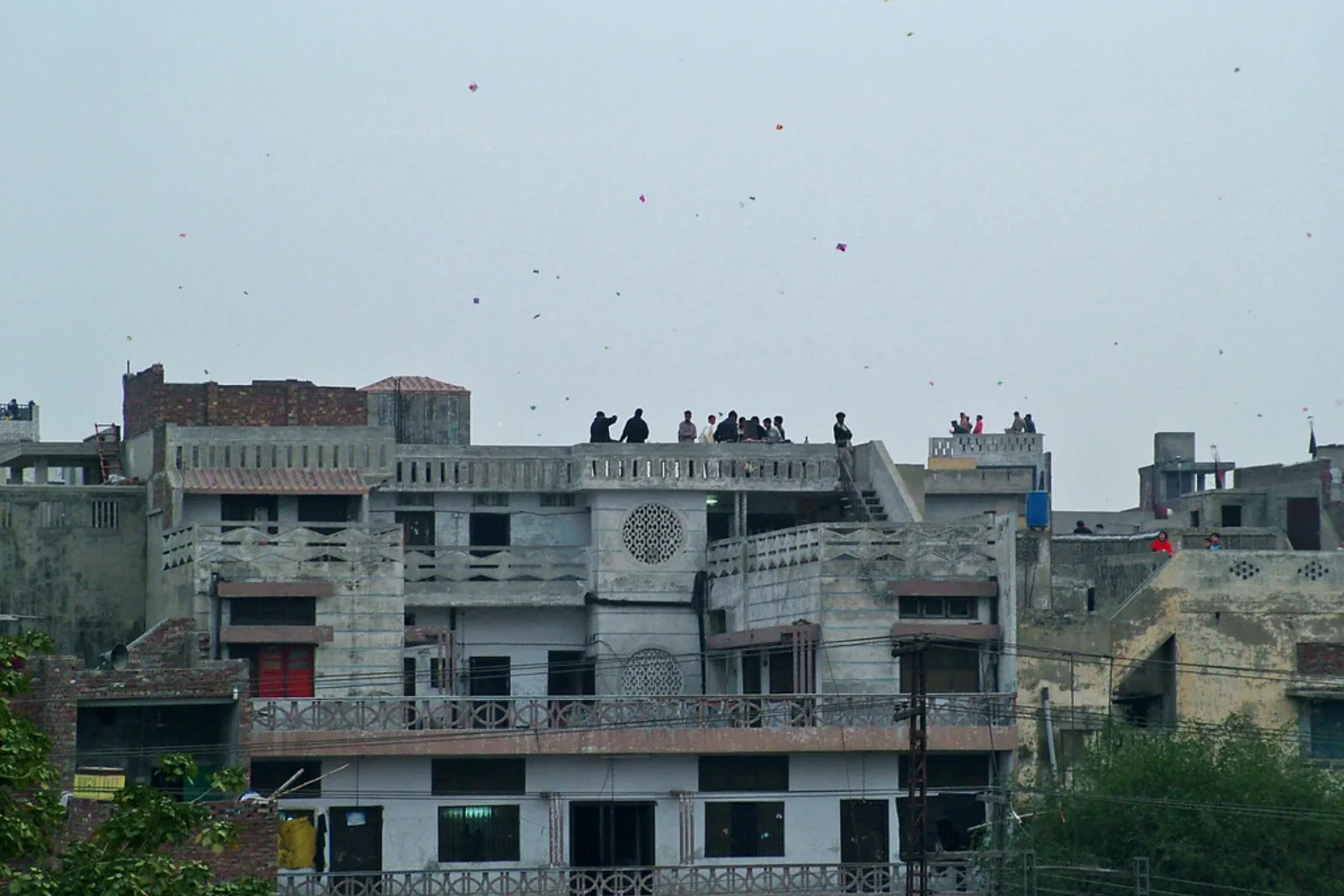
Gudda vs patang: what is the difference, and which do you buy?
Patang is the standard kite most rooftops fly. Gudda is the larger class — more surface, more pull, more wind needed. Both are legal, both are size-capped, and most rooftops end up owning some of each.