Bo Kata: The Victory Cry, Where It Comes From, and How a Kite Cut Actually Happens
"Bo kata!" is the triumphant cry of Lahore's kite duels — roughly "it's been cut!" — shouted the instant your line severs an opponent's and their kite drifts free. Behind the cry is the pecha: two crossed lines sawing under tension until one gives. The cut is won by line quality, angle and tension control; the cry is won by the whole rooftop, at volume, with the dhol answering.
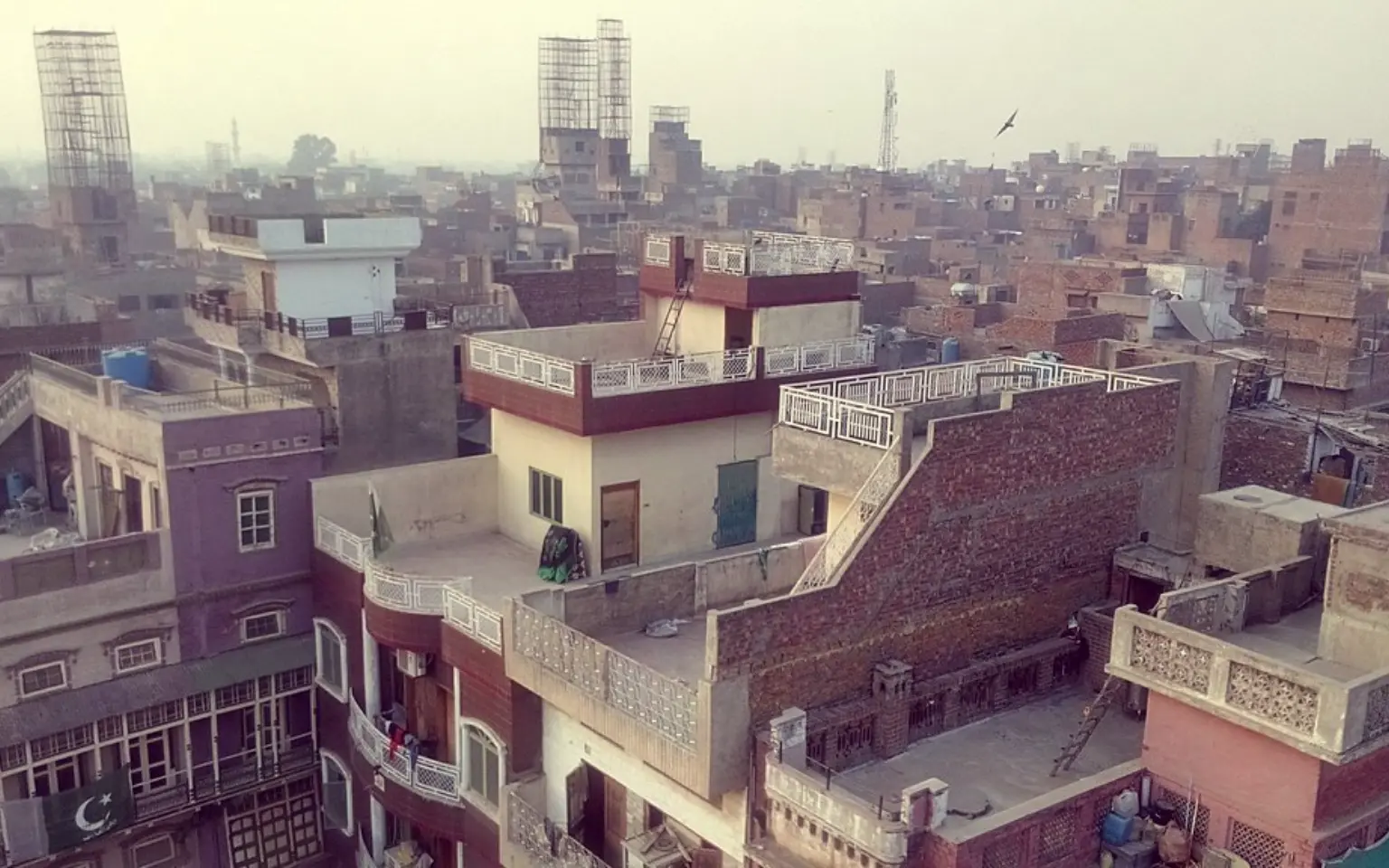
- Bo kata announces a cut kite — the duel's decisive moment and the festival's signature sound
- The 2026 revival was reported, literally, as Lahore "erupting with the sounds of bo-kata"
- The mechanics: crossed lines under tension; the sharper-handled, better-tensioned line saws through
- Legal cotton restores the cry's meaning — skill against skill, as the tradition built it
- Etiquette: the cry is yours, the drifting kite belongs to the street chasers below
Some festivals have anthems; Basant has a two-word shout. Bo kata is what victory sounds like from a Lahore rooftop — and understanding it properly means understanding the pecha, the aerial duel that produces it. Here's the cry's meaning and place in the culture, the honest mechanics of how one line cuts another, and the etiquette that keeps the tradition generous. Written from inside the trade that supplies the duels.
What does bo kata literally mean?
The phrase announces a cut — "it's gone, it's been cut!" — directed at the sky, the neighbourhood, and specifically the rooftop whose kite is now drifting loose. It's simultaneously scorekeeping, celebration and (affectionate) taunt, answered by drums and echoed by every roof that saw the line part.
When the festival returned in February 2026, the sound came back as the revival's very headline — Lahore erupting with the sounds of 'bo-kata' after eighteen silent years. No detail of the coverage said "the tradition survived" more clearly.
How does one kite line actually cut another?
Through the pecha — the engagement. Two flyers deliberately cross lines; from that moment both are sawing: each line, under tension, drawn across the other. The physics that decides it:
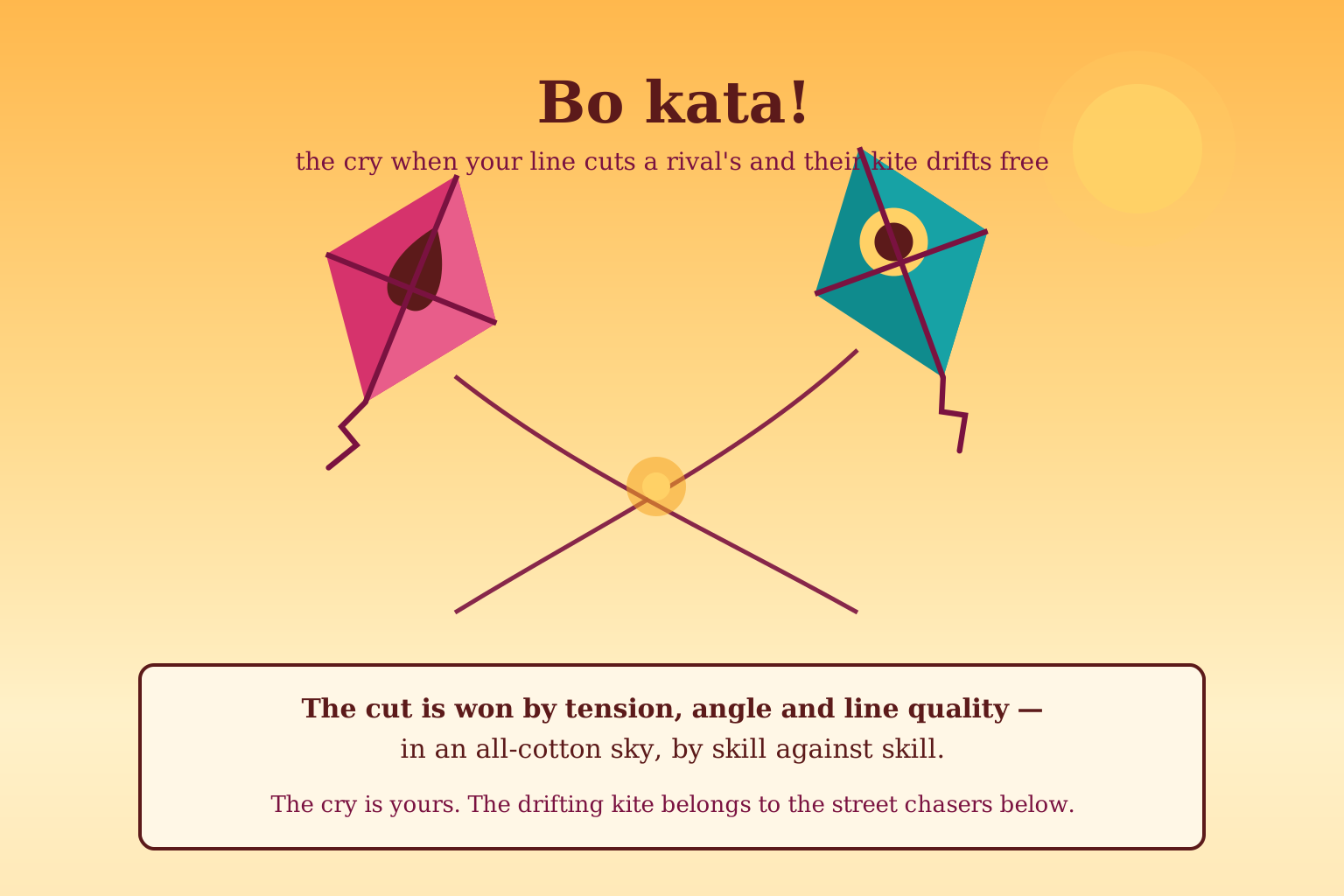
- Tension — a taut line cuts and resists; slack line is rope waiting to be sawn. Tension control IS duelling.
- Angle and movement — the flyer working their kite to keep their line drawing across the opponent's, rather than sitting statically against it.
- Line quality — consistent, well-wound cotton with a smooth glace finish saws truer than fuzzy, uneven thread. Within the legal spec, this is what the premium names are actually for.
- Nerve — pechas are won in the seconds a flyer holds a losing-looking position to gain a better angle.
The loser's line parts; their kite drifts free on the wind; the cry goes up. A good pecha between matched flyers can run minutes, and the whole mohalla watches it develop.
Why does legal cotton make bo kata mean more?
Because the cry was always supposed to announce skill. The coated-string era corrupted the duel — abrasive line cut cotton regardless of the hands holding it, making victories purchasable and ultimately criminal. An all-cotton sky, which is what the law now enforces, resets the contest to its original terms: your winding, your tension, your angles against theirs.
That's not nostalgia talking — it's competitive logic. A bo kata earned against equal equipment is the only kind that was ever worth shouting.
What's the etiquette around a cut?
Three customs keep the tradition generous:
The cry is celebration, not cruelty — loud, theatrical, answered with dhol, and taken in sport by the losing roof, whose turn comes next pecha. Grudges are for people who weren't raised on rooftops.
The cut kite belongs to the chasers. A drifting kite is street property — the children running it down are performing the festival's oldest supporting role. Leaning off your roof to snatch it is both poor form and now explicitly banned conduct.
The line gets cleared. If your severed line drapes a road or wire, clearing what you can reach is the duel's final responsibility — cotton is forgiving, but the road-safety habit belongs to everyone.
Frequently asked questions
What language is bo kata?
Punjabi/Urdu rooftop vernacular — festival dialect more than dictionary entry, understood from Mochi Gate to every suburb the moment it's shouted.
What is a pecha?
The duel itself — the deliberate crossing of two kite lines until one cuts. Bo kata is the pecha's ending, announced.
How do you win more pechas?
Tension discipline first, then angles, then line quality — in that order. Our flying guide builds the foundation; seasons build the rest.
Do night duels happen?
They do — by feel, among the experienced, during the white-kite sessions. Most rooftops save serious cutting for daylight.
Can you keep a kite you catch?
Street-caught cut kites, yes — that's the chasers' ancient wage. Just catch them from the ground, never from parapets.
Earn the cry this March
Every bo kata starts long before the pecha — in the line you chose, the winding you paid for, the hours your hands put in. The equipment half is ready when you are: duel-grade cotton and kites worth defending, reservable free or price-locked. The cry itself, March will let you earn.
Written by M/S SpeedX Kites, a registered kite seller in Lahore (Reg No. 38731-28012026). If anything here is out of date or wrong, tell us on WhatsApp and we will correct it.
More on lahore kite culture
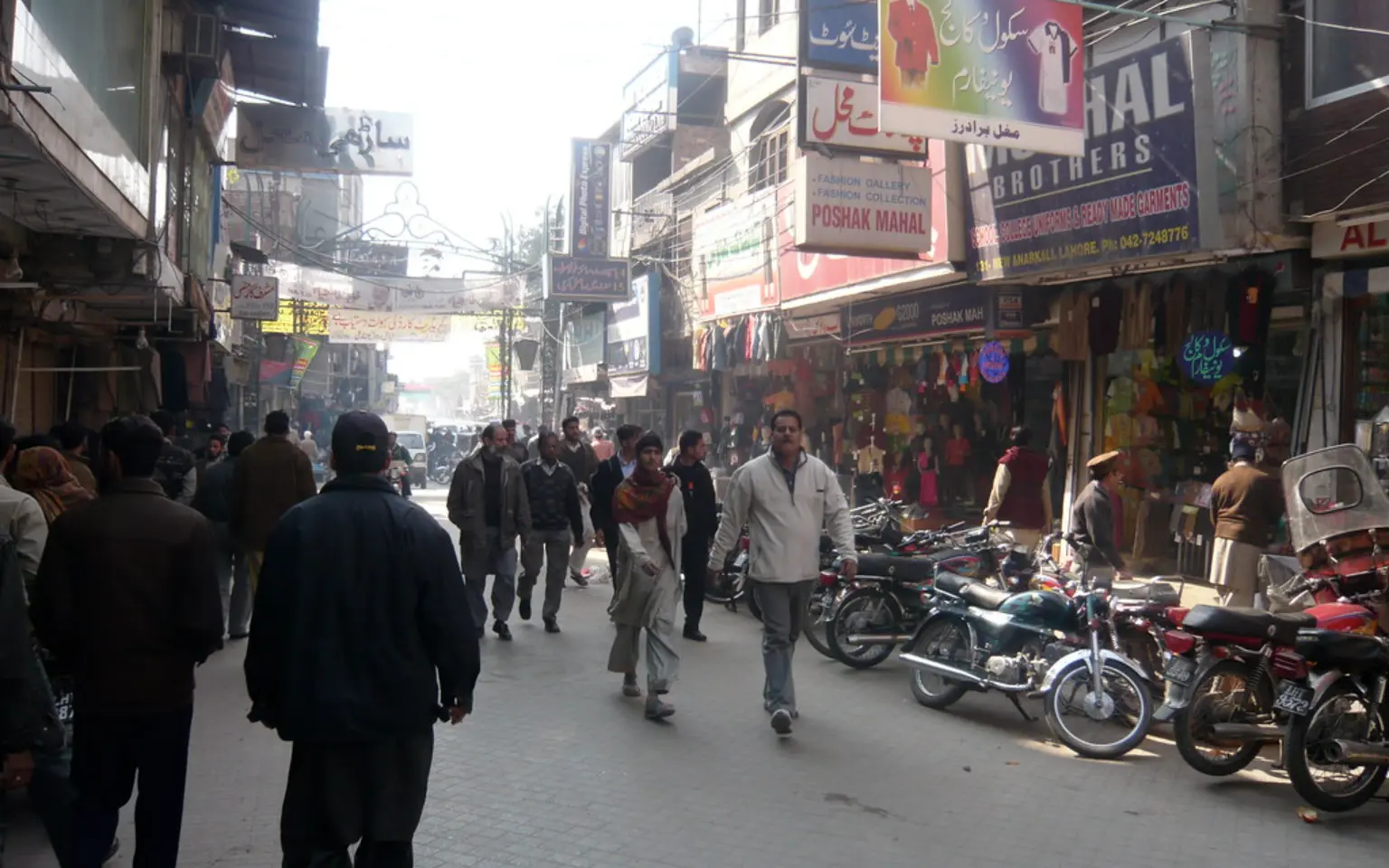
Basant Dress: Why the Whole City Wears Yellow, and What People Actually Wear on the Roof
Yellow is Basant's colour because the festival celebrates spring, when Punjab's mustard fields turn the countryside gold — wearing basanti (yellow) mirrors the season itself. On the rooftops that translates to yellow shalwar kameez and dupattas, often with fresh flowers, worn with practical shoes for a day spent flying, feeding and chasing kites.
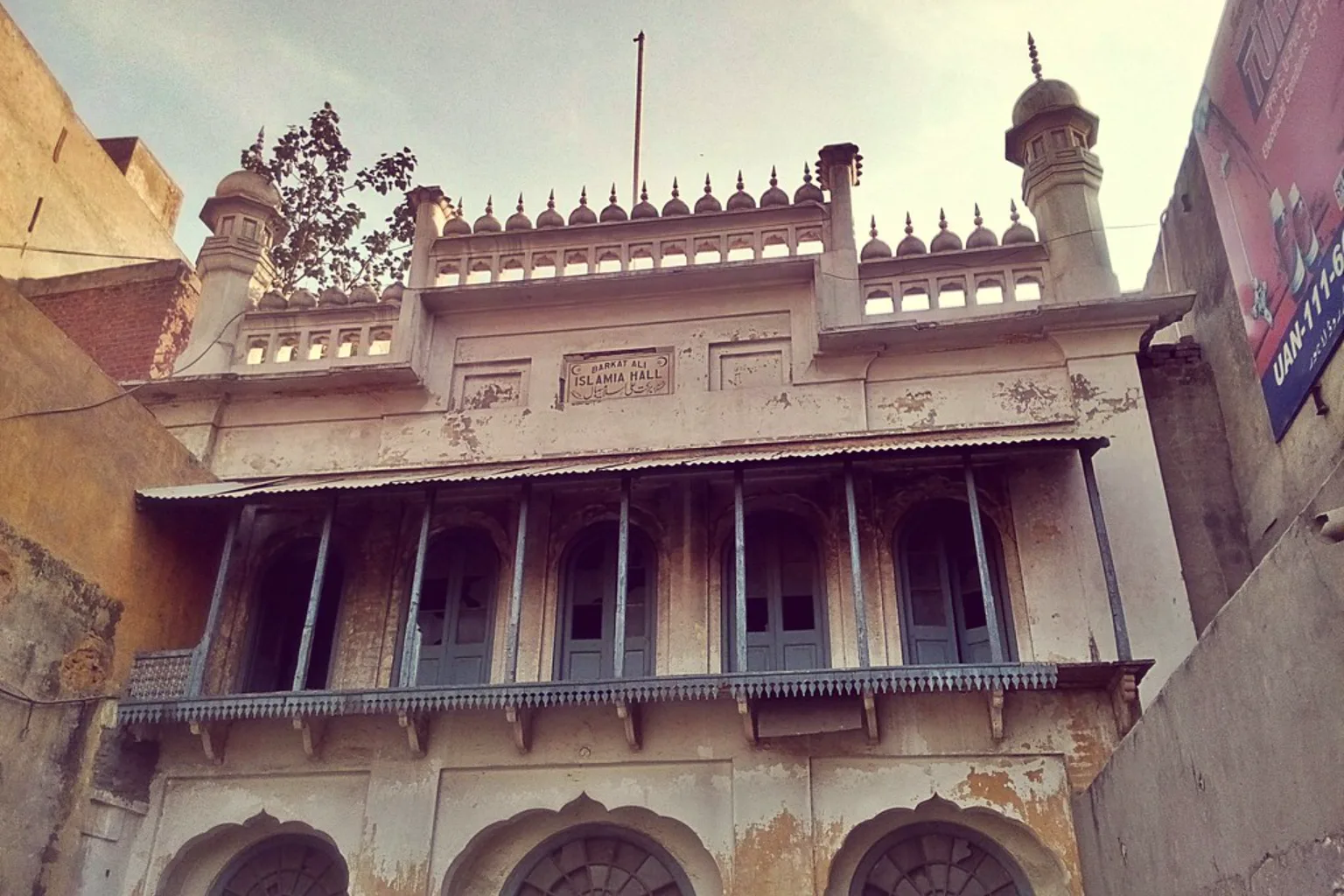
Lahore's Kite Markets: Mochi Gate and Where the Trade Actually Lives
Lahore's kite trade lives in the Walled City, with the lanes inside Mochi Gate its most storied address — narrow streets of kite makers and string sellers working a craft generations old. The market is seasonal by law now: stalls fill when a festival's production and sale windows open and thin out after. Off-season, the legitimate trade runs on registrations and reservations rather than open shelves.