Why Is Basant Celebrated in Lahore? (And Is It Really Only a Lahore Festival?)
Basant is celebrated in Lahore because the city's dense, flat-roofed old quarters made it the natural stage for Punjab's spring kite tradition — thousands of adjoining rooftops turning one festival into a city-wide aerial duel. It isn't exclusively Lahori: spring festivals exist across Punjab, but Lahore's rooftop kite culture made the festival its own, and today Punjab is the only Pakistani province with a legal framework for it.
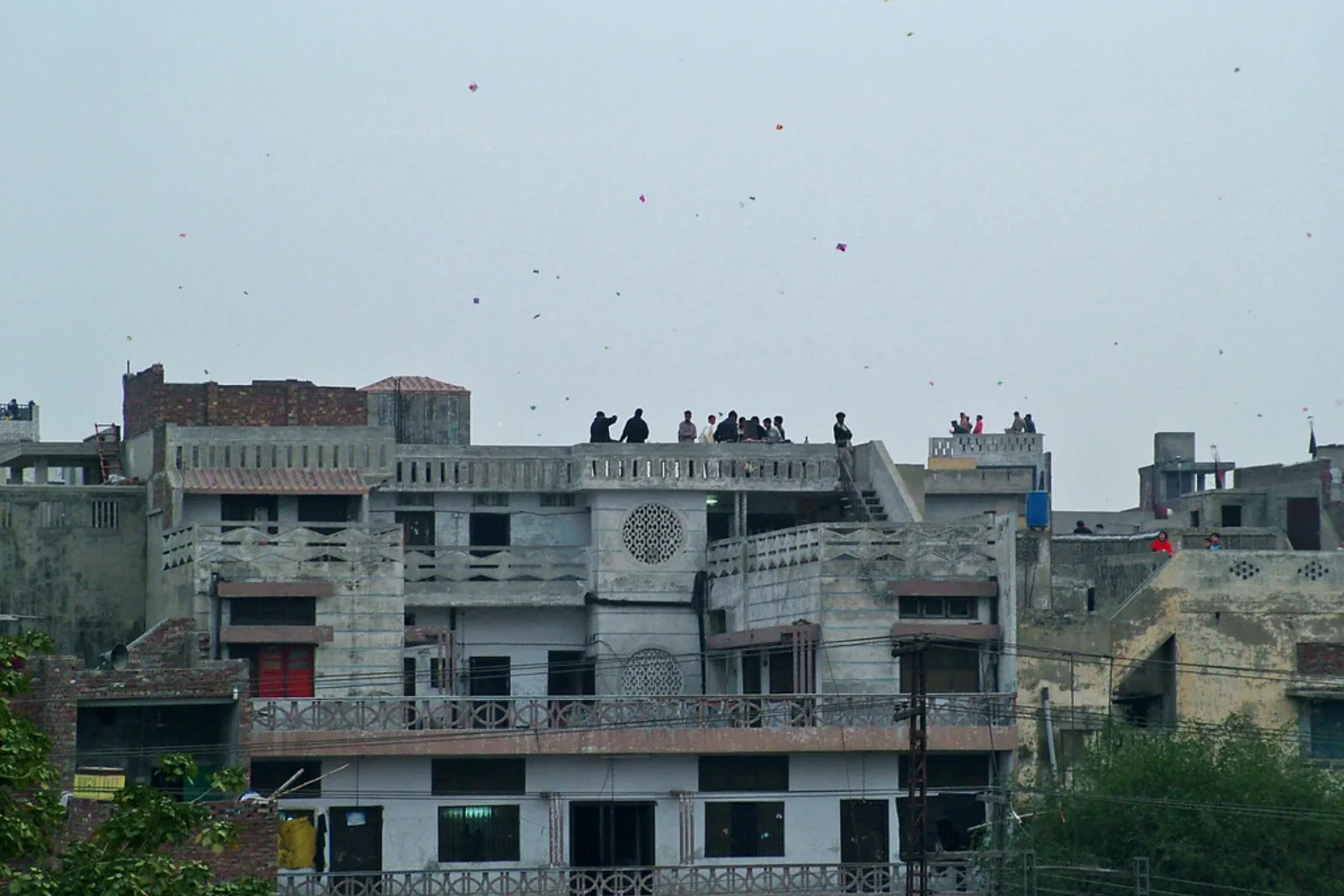
- Basant marks spring in Punjab; Lahore's architecture turned it into a kite festival
- The Walled City's continuous rooftops are the festival's original arena
- Legally, the festival now exists only where Punjab's Ordinance permits it — Sindh bans kite flying outright
- Lahore hosts the announced Basant 2027 window: 12–14 March
- The city's kite economy — makers, sellers, markets — is itself a reason the festival keeps coming home to Lahore
"Why is Basant celebrated in Lahore?" gets asked two ways — as a culture question and as a geography question — and the honest answer covers both. The festival isn't Lahore-exclusive by origin, but no other city fused spring, kites and rooftops the way Lahore did, and the law now reinforces what culture started. Here's the whole answer, from a kite seller working inside the city that owns the tradition.
What makes Lahore the home of Basant?
Three things stacked on top of each other. First, the season: Basant celebrates spring's arrival, marked across Punjab by the mustard bloom. Second, the tradition: kite flying as the festival's expression has centuries of documented history in Lahore, reaching back through the Mughal era that built the city's old core.
Third — and this is the piece most answers skip — the architecture. The Walled City is a continuous landscape of flat roofs pressed wall-to-wall along narrow streets. That layout means one household's kite duels with the next roof, and the next, until the whole quarter is a single connected arena. A festival that needs the sky found the one city where everyone shares it. When the 2026 revival came, the historic rooftops were the first thing to book out.
Is Basant only celebrated in Lahore?
No — and yes, depending on what you mean. Spring festivals under the Basant name exist across Punjab and historically across the subcontinent. But the full rooftop kite festival — night flying, bo kata, the city-scale duel — is Lahore's signature, and the 2027 edition is announced specifically for Lahore, 12–14 March.
There's also now a hard legal boundary. Kite flying is only lawful within Punjab's regulated window; Sindh maintains a province-wide ban, and Karachi separately prohibits kite string's manufacture, sale and use. So in present-day Pakistan, the question answers itself: Basant is celebrated where celebrating it is legal, and that is Punjab — with Lahore as its stage.
Why didn't other cities develop the same festival?
Partly architecture, partly economy. Newer cities and car-scaled suburbs don't share rooflines, so kite duels between households never became a neighbourhood sport. And Lahore built the supply side no other city matched: generations of kite makers and string winders in the walled-city lanes — a trade that nearly vanished during the ban and came back with the revival — plus the markets, like the lanes inside Mochi Gate, that turned craft into a seasonal economy.
Festivals live where their infrastructure lives. Lahore has the roofs, the makers, the markets and the memory; that combination is the real answer to "why Lahore".
Does the revival change who can celebrate?
It changes how, more than who. The regulated festival is open to anyone on a compliant Punjab rooftop — resident or visitor — flying legal, QR-verified kites on cotton pinna, with adults on the lines. What it closed is the informal version: out-of-window flying, unverifiable kites, and the illegal string that caused the ban years.
We'd argue that's a fair trade. The festival Lahore nearly lost forever now has rules that let it keep happening — and as a registered seller, our whole business is built on the legal version being the better one.
Frequently asked questions
Is Basant celebrated in Karachi?
No — Sindh bans kite flying, manufacture and sale province-wide, and Karachi adds its own prohibition on kite string. Punjab's framework doesn't extend there.
Is Basant celebrated in Islamabad or other Punjab cities?
The announced 2027 festival window names Lahore. How other districts participate is set by each season's official notifications rather than assumption.
Why is Basant in spring?
Because it *is* the spring festival — the name refers to the season. The mustard bloom, the yellow dress tradition and the kite season all mark the same turn of the calendar.
When is Basant celebrated in Lahore next?
12–14 March 2027, per the Punjab Chief Minister's announcement. Our Basant 2027 page tracks every subsequent official step.
Celebrate it where it lives
If Lahore is the festival's home, the rooftops are its front doors — and the households that enjoy them most are the ones stocked before the rush. Reserve your kites and pinna now at no cost, or lock today's rate with half down, and collect the sky in March. Start at the shop, or read what a first Basant needs.
Written by M/S SpeedX Kites, a registered kite seller in Lahore (Reg No. 38731-28012026). If anything here is out of date or wrong, tell us on WhatsApp and we will correct it.
More on basant
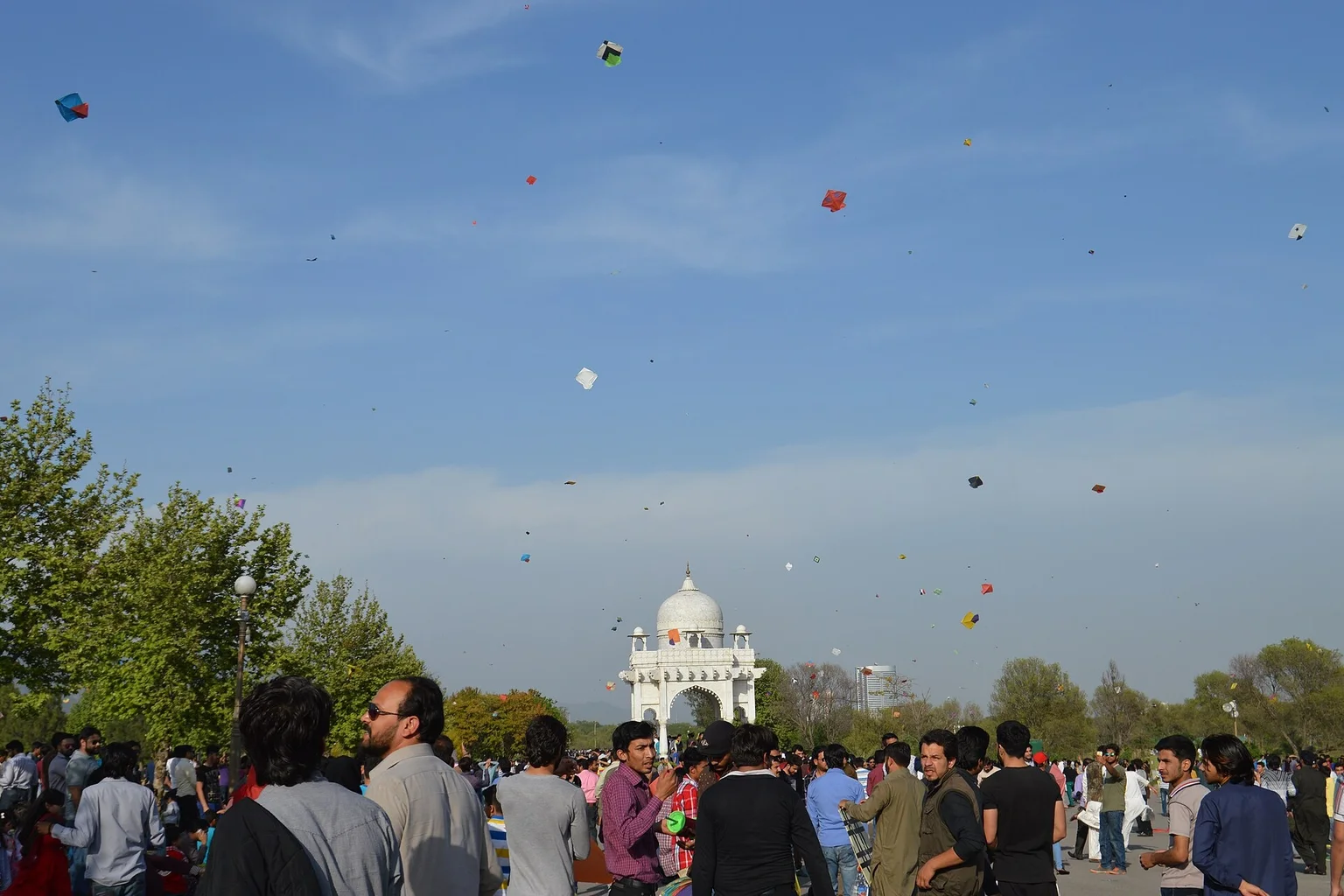
Basant 2026 in numbers: Rs 1.5 billion, three days, seventeen deaths
Basant 2026 ran 6–8 February, the first legal festival since 2007. The Kite Flying Association put the trade surge at Rs 1.5 billion. Seventeen people died and more than a hundred accidents were recorded. Both figures matter for 2027.
How to register for Basant 2027: licences, forms and the portal, explained
Ordinary kite flyers do not need a personal licence — registration is for kite manufacturers, sellers and kite-flying clubs, and it runs through the e-Biz app and basant.punjab.gov.pk. Registration for Basant 2027 has not opened yet: the dates (12–14 March 2027) are announced, but the government has not yet started the 2027 registration cycle. This page tracks it.